
Cheese production
Intangible heritage
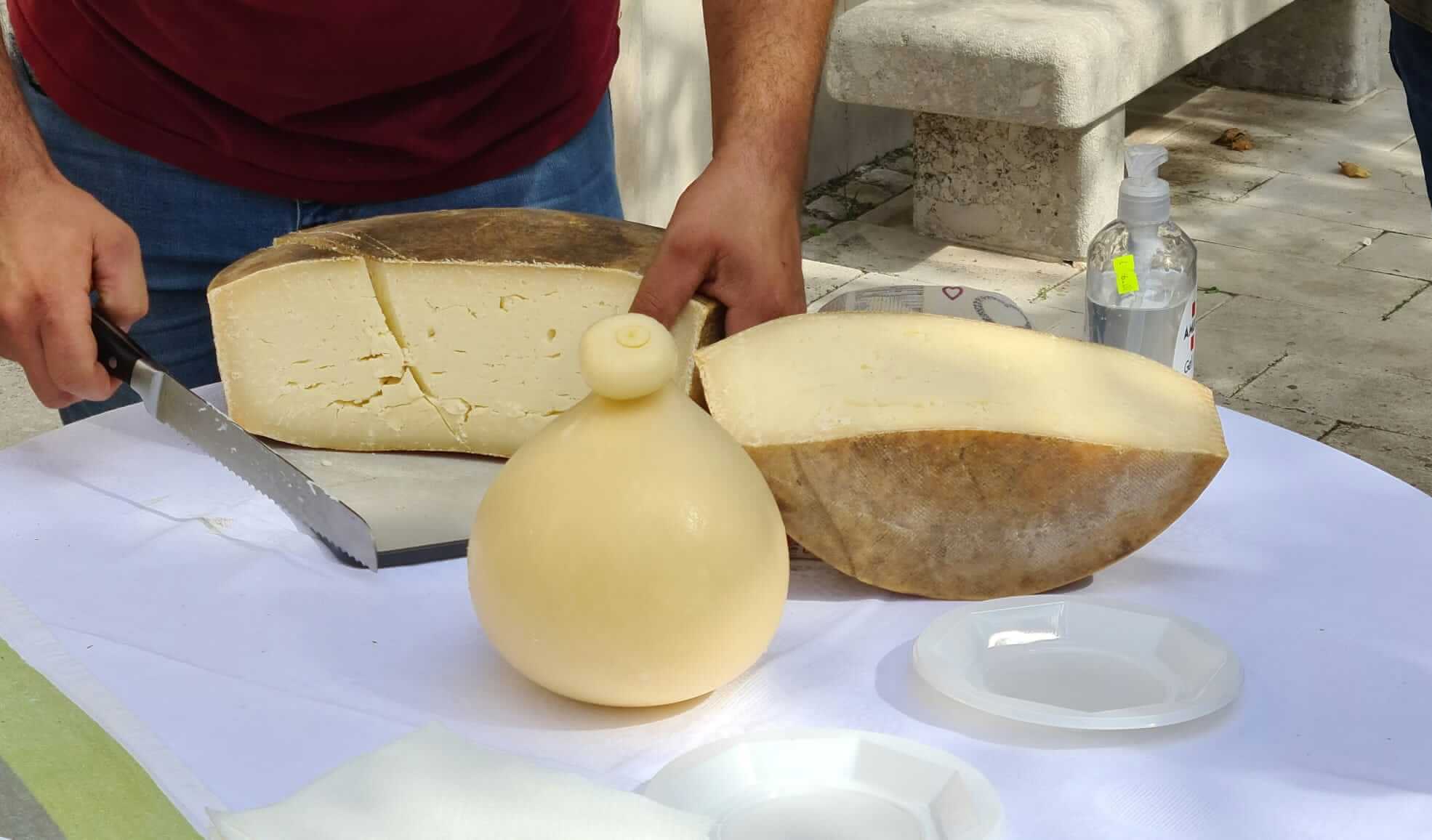
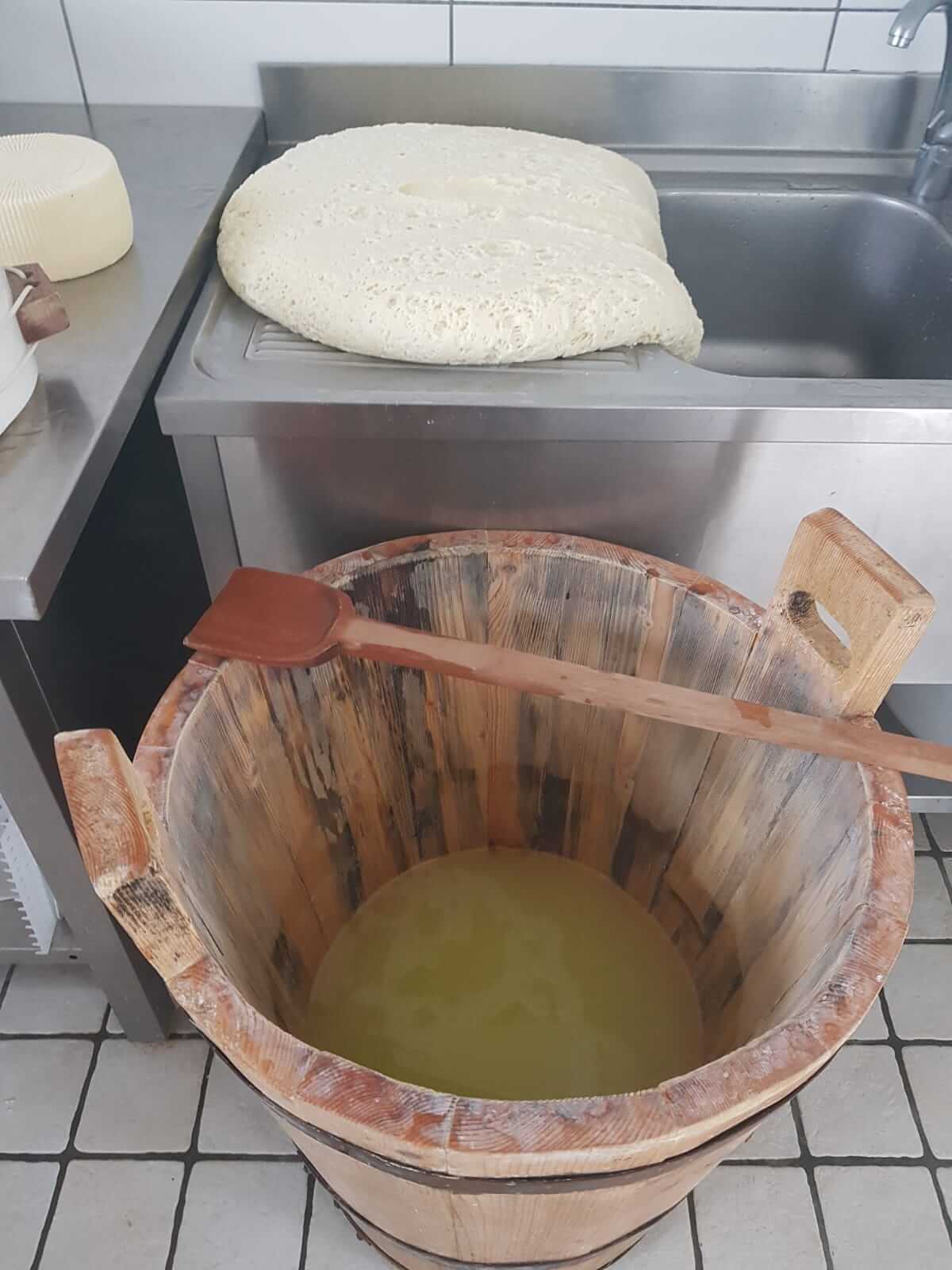
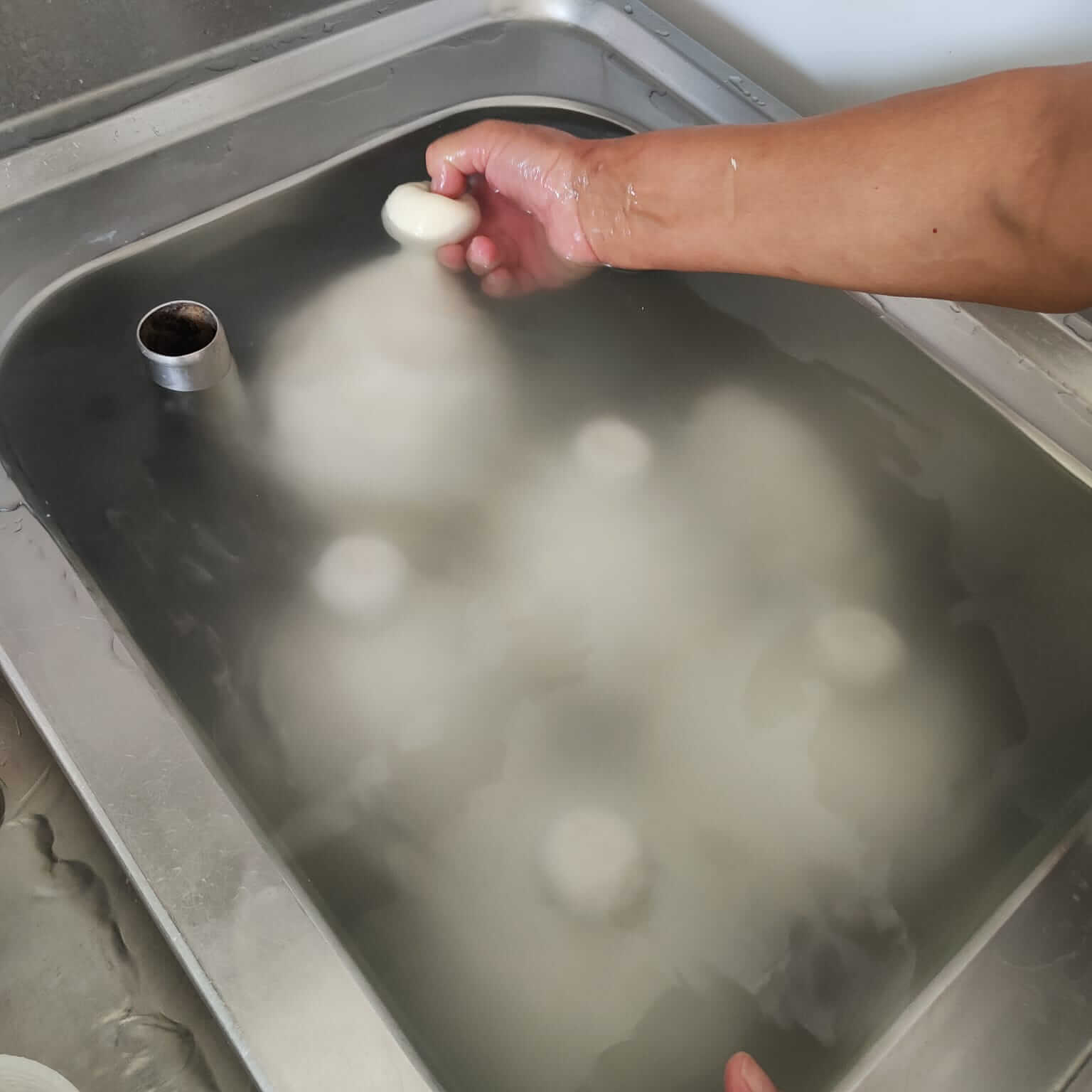
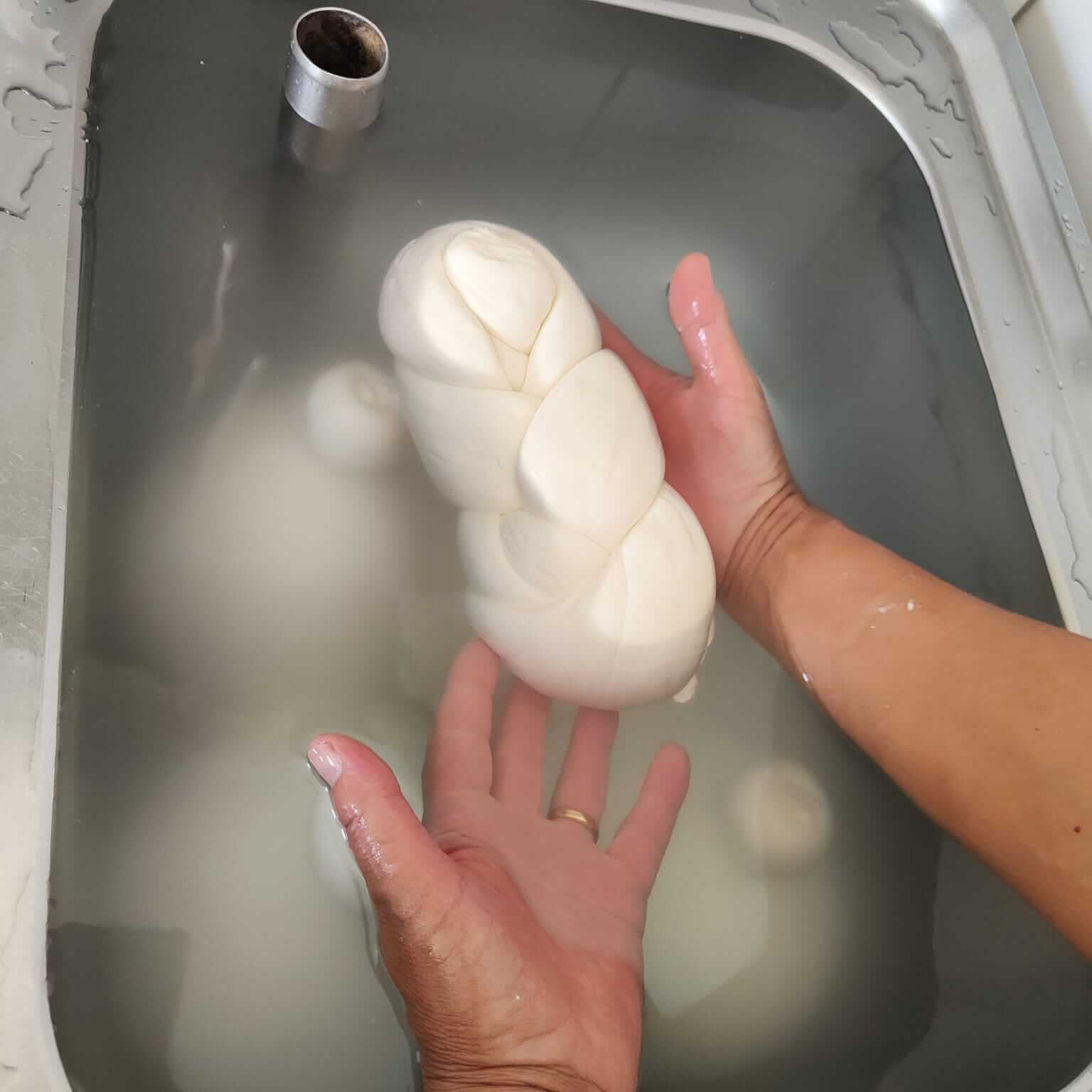
"From time to time, it was necessary to dip fingers into the milk to soften the teat and make it flow better. Once this was done, the measurement began. The goat was tied to the "catiniello", and one had to wait a few minutes for the foam to disappear. Peppino, a strong and robust young man, milked with a lot of force in his fingers. A palm of foam would rise in his container. Measuring immediately would skew the results. "Blow strongly into the bucket, push away the foam, for God's sake!" Peppino puffed out his cheeks and blew with all the air in his lungs. He was in a hurry. He had to try to catch up with Filomena, who was returning home with her goat. It was a good opportunity to whisper a few sweet words into her ear.
The measurement itself was quite simple. The milk was poured into a container identical for everyone, which made its rounds among the various farms each time. It had to be placed on a flat surface (table, wooden board, or the surface of the fornacella), never on the floor, because an uneven surface would distort the measurement. Then the "catarina" was lowered — a rigid wooden stick, wider at the base to better adhere to the bottom of the container. The "catarina" was marked with many notches: the long ones indicated a liter, the medium ones a half liter, and the small ones a quarter. Once the measurement was complete, the marks were recorded on the "taglia": another smaller piece of wood divided in half transversely. Notches corresponding to the various measurements were marked on it as well. Once this operation was complete, half of the milk was kept by the owner of the goat, and the other half went to the person who collected the milk. As the milk was sold over the following weeks, the two pieces of the taglia were joined, and the corresponding notches were counted. No arguments, no disputes. The notches spoke clearly. "Scripta manent". Even the Romans said so!"