
Food and wine traditions
Services
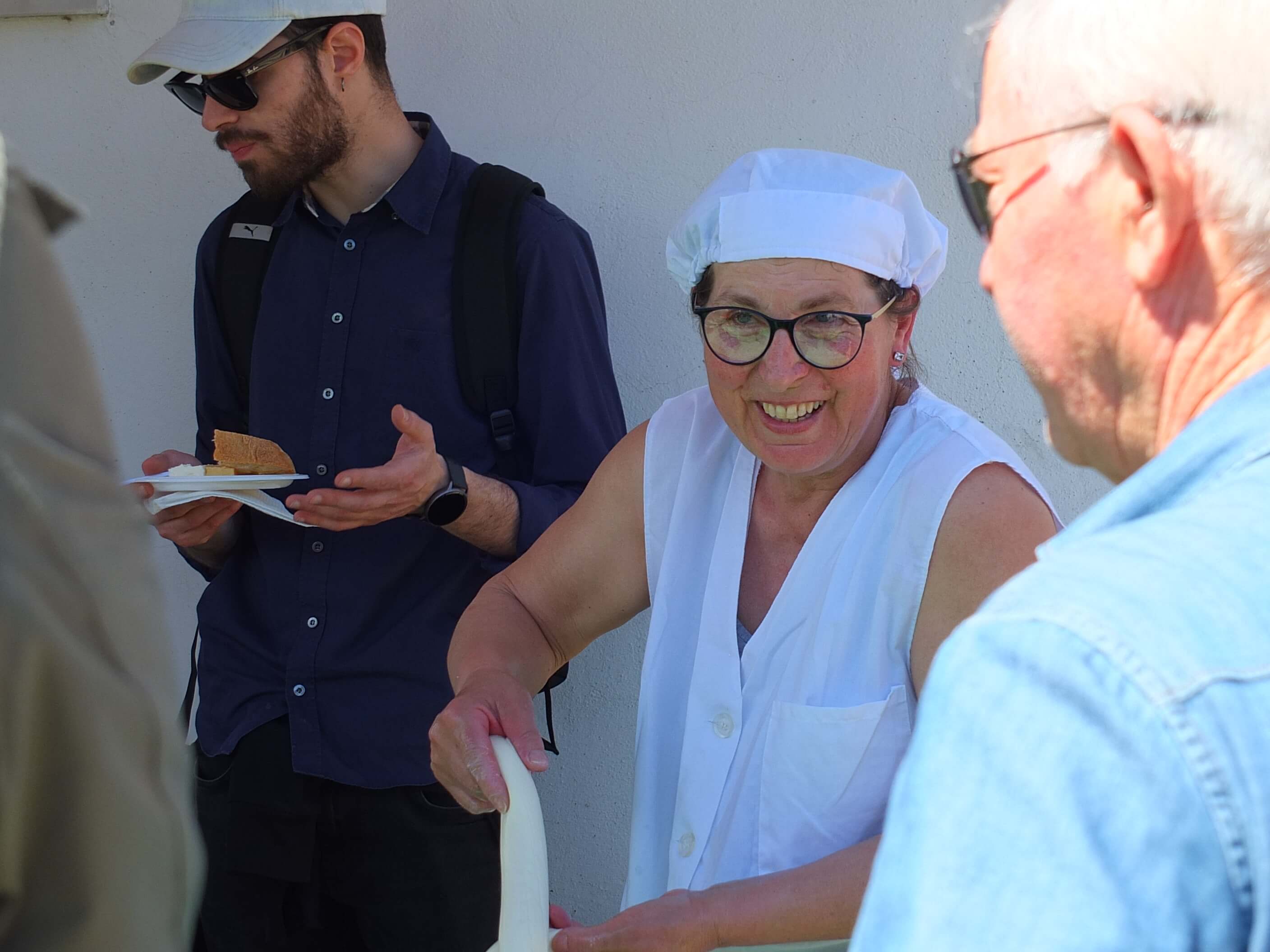
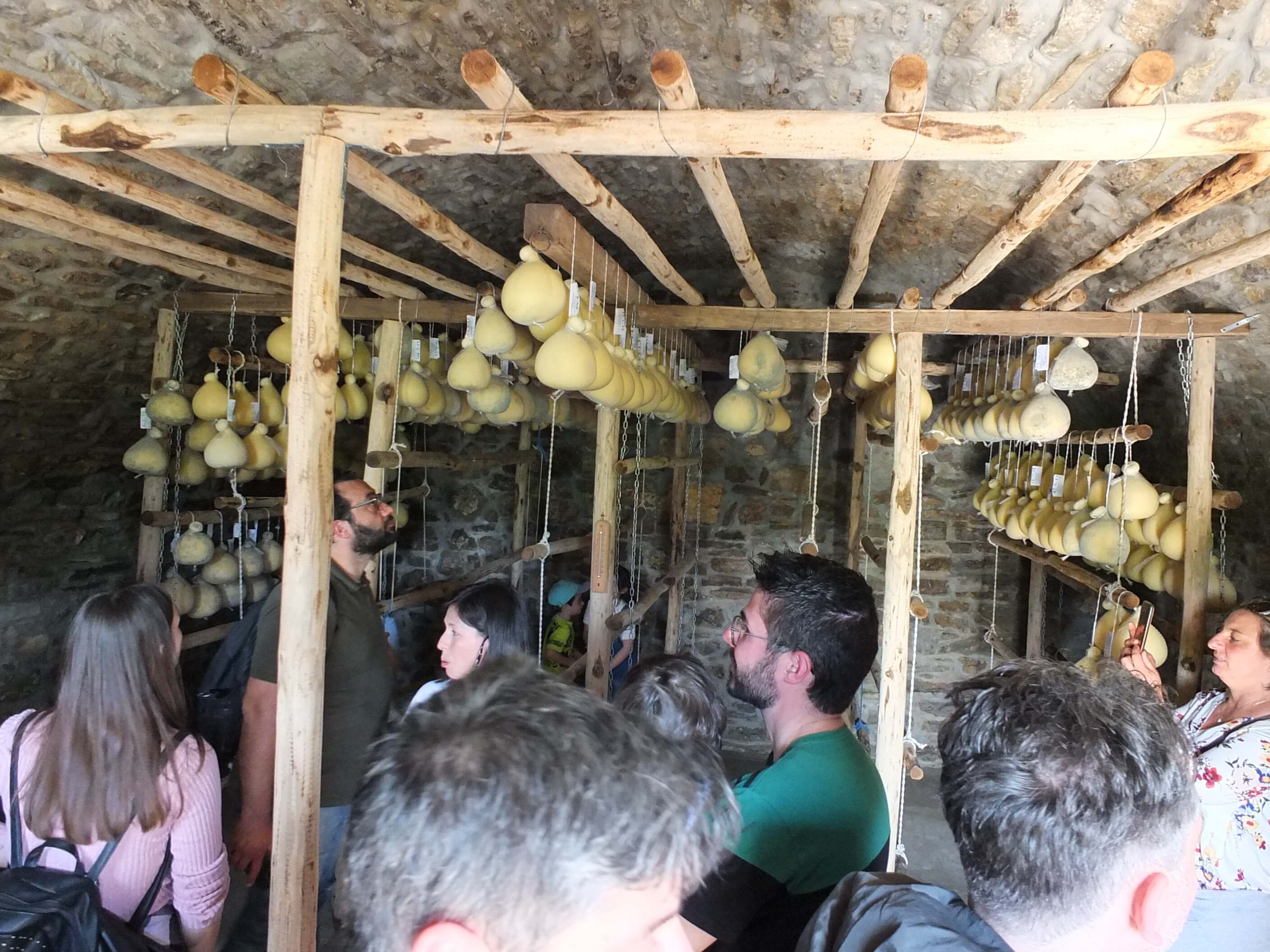
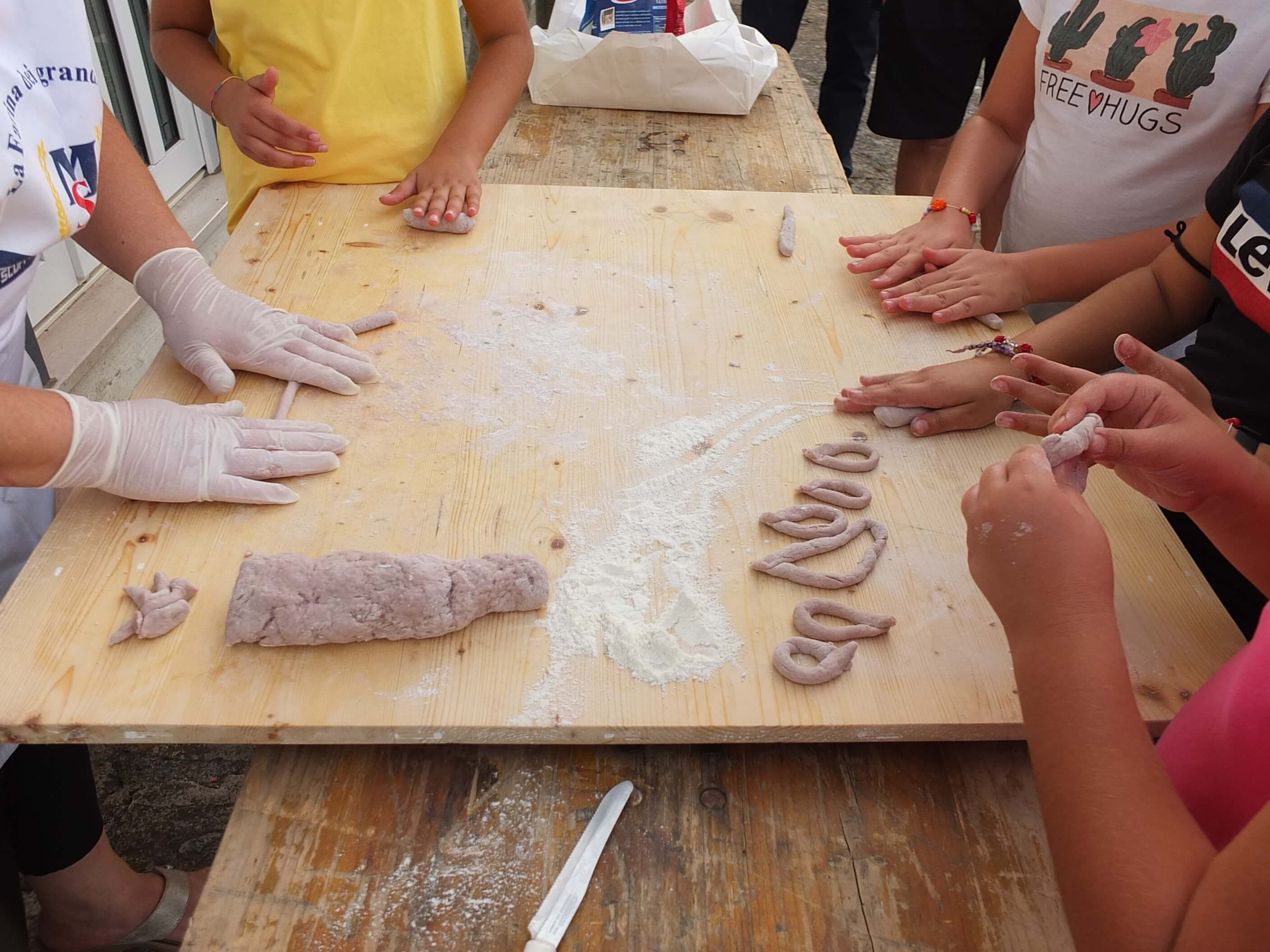
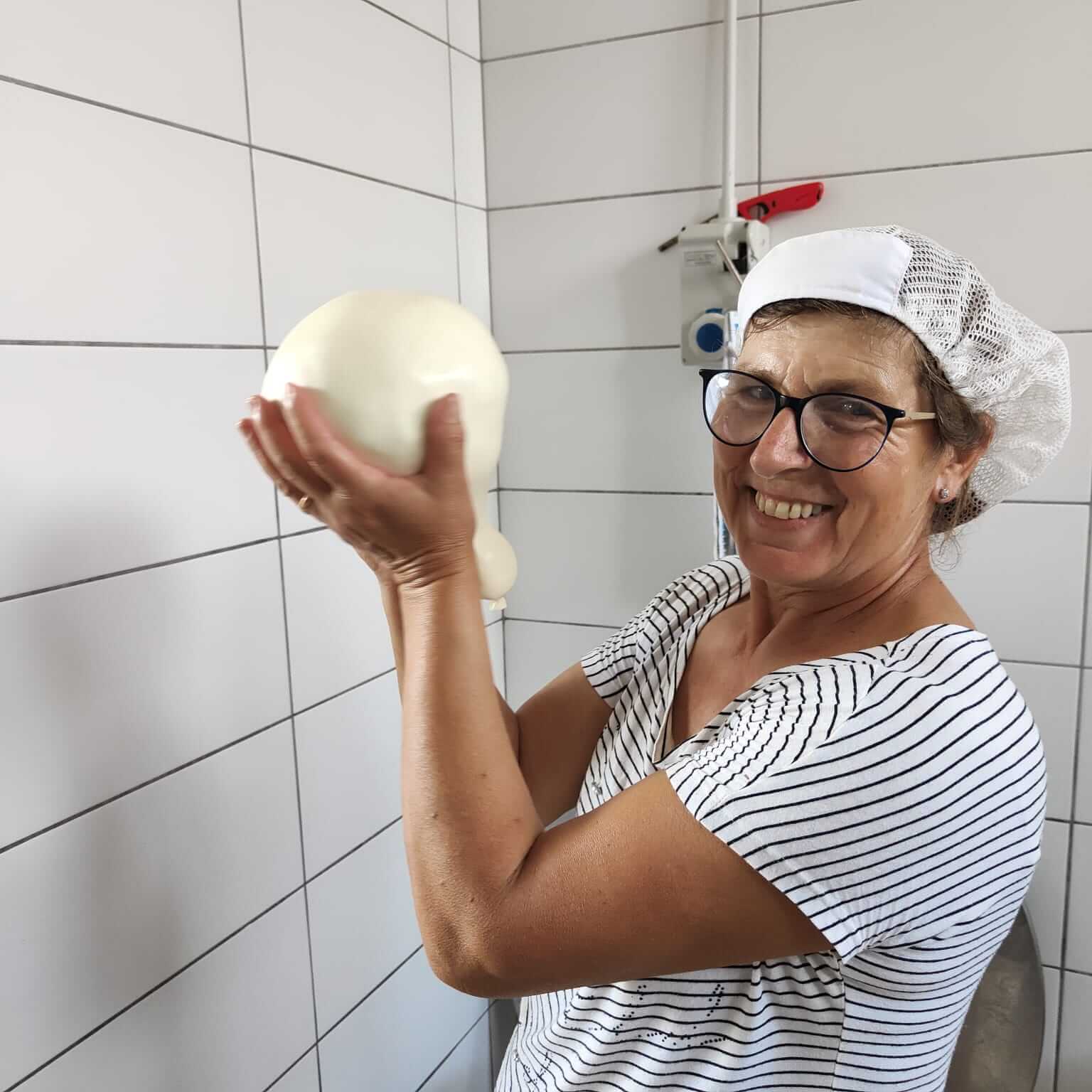
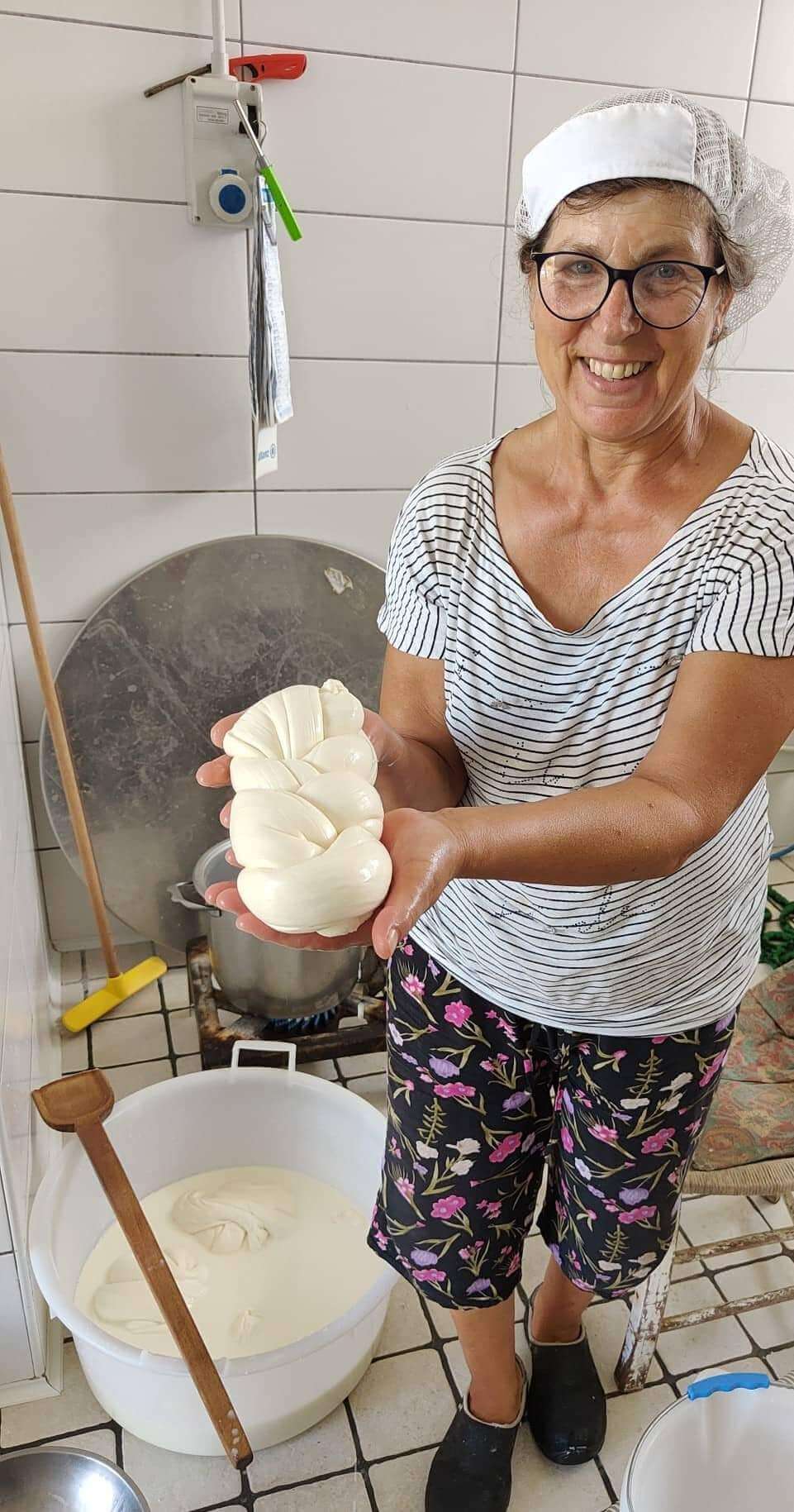
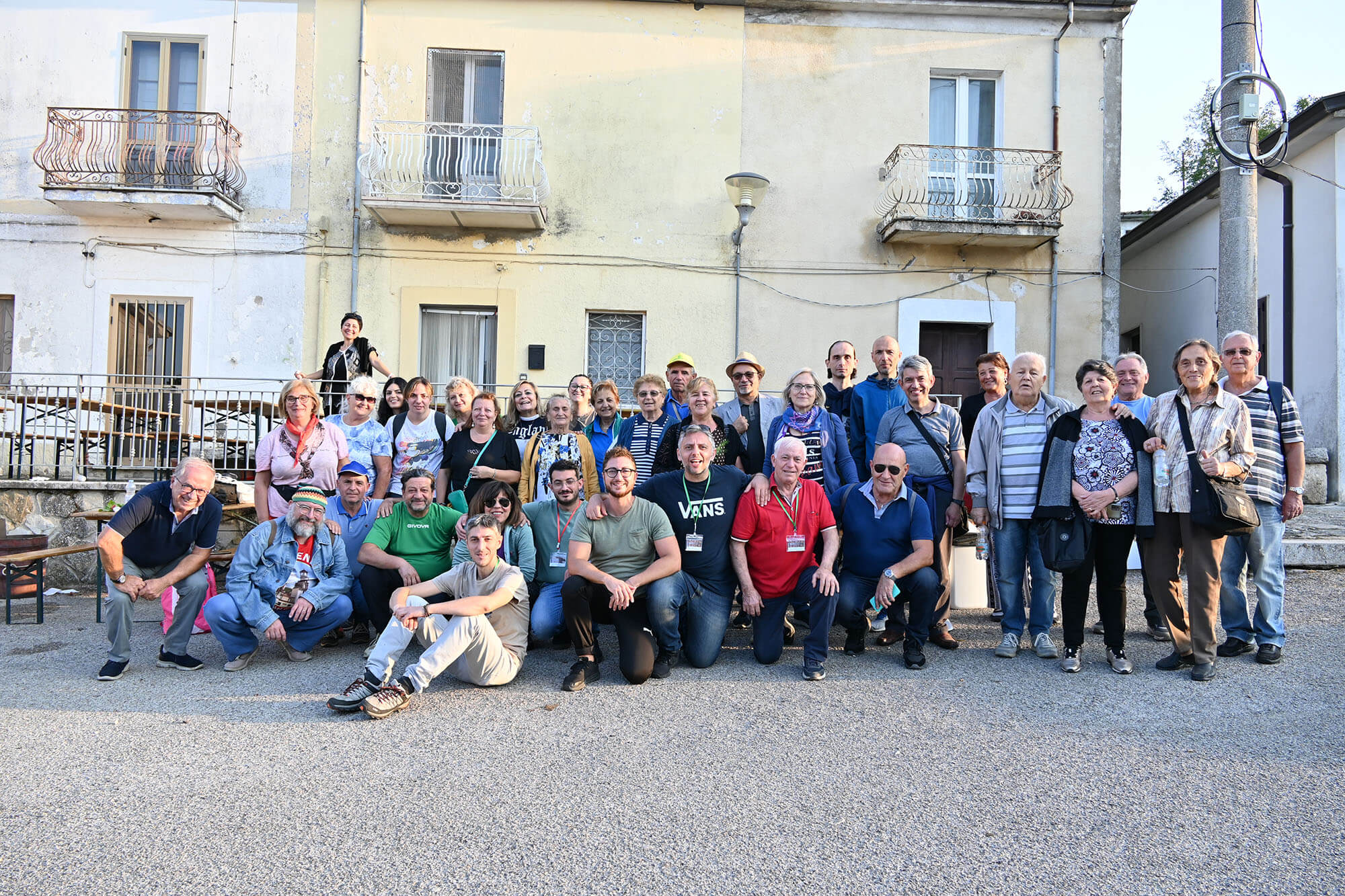
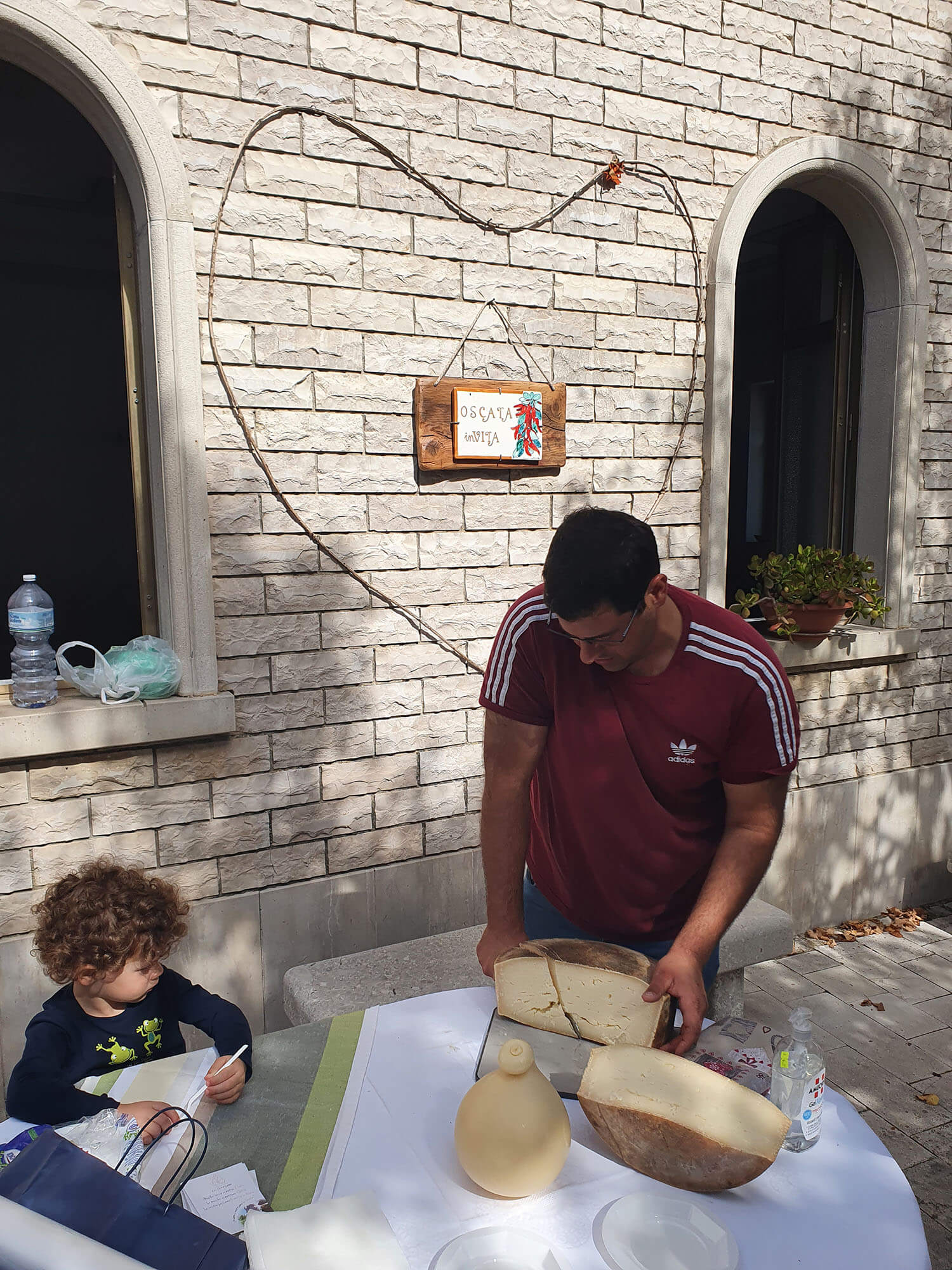



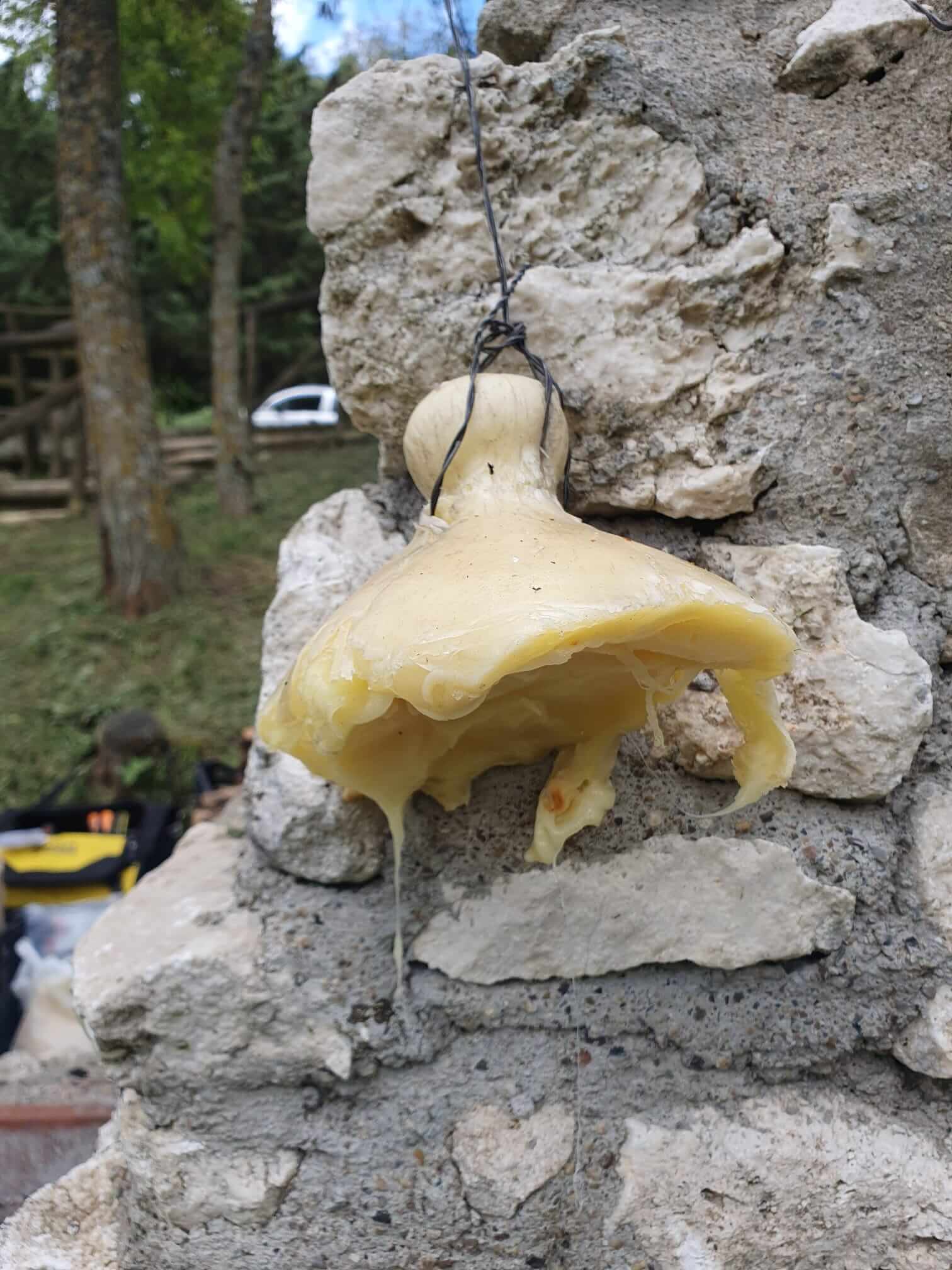
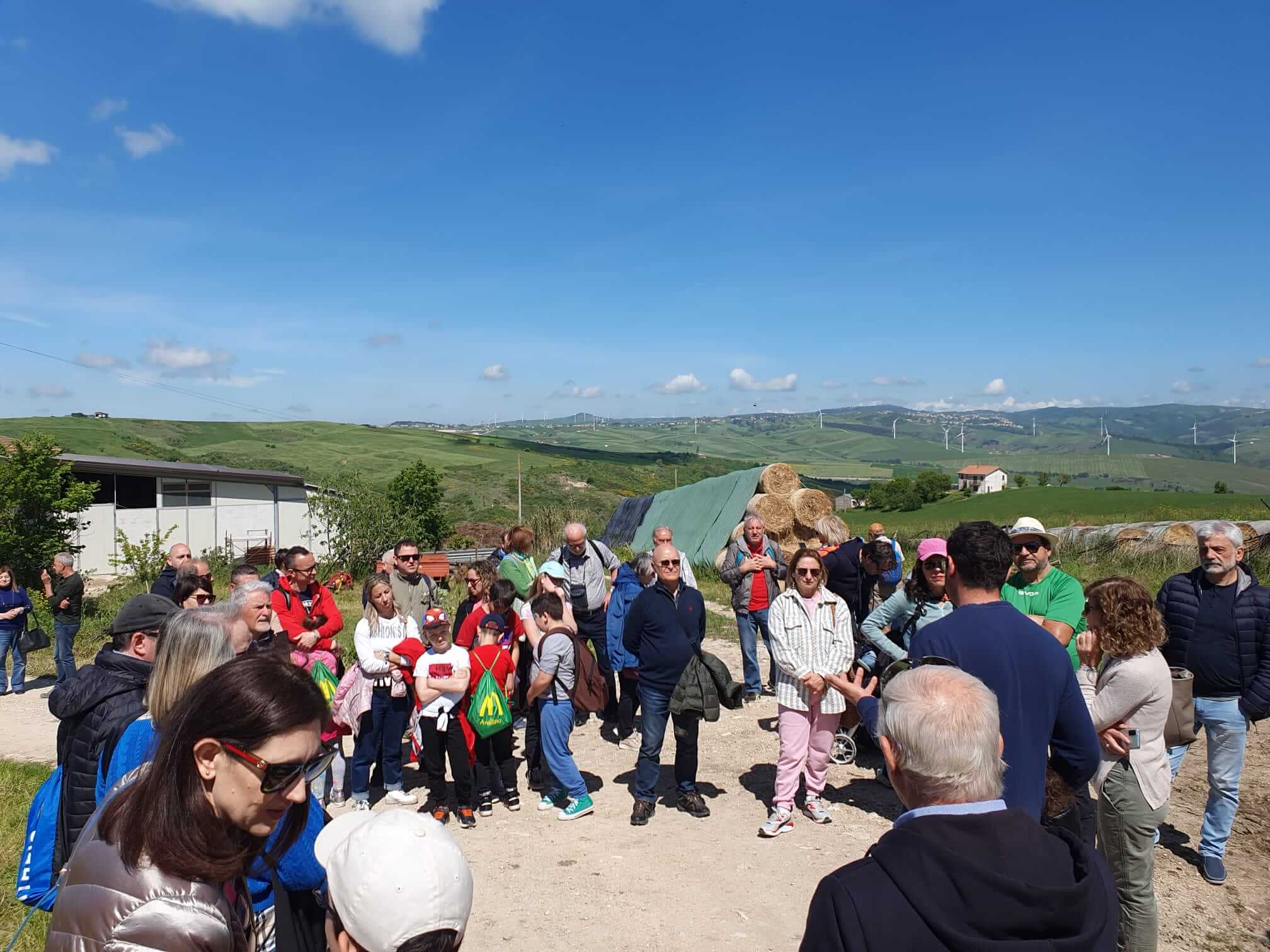
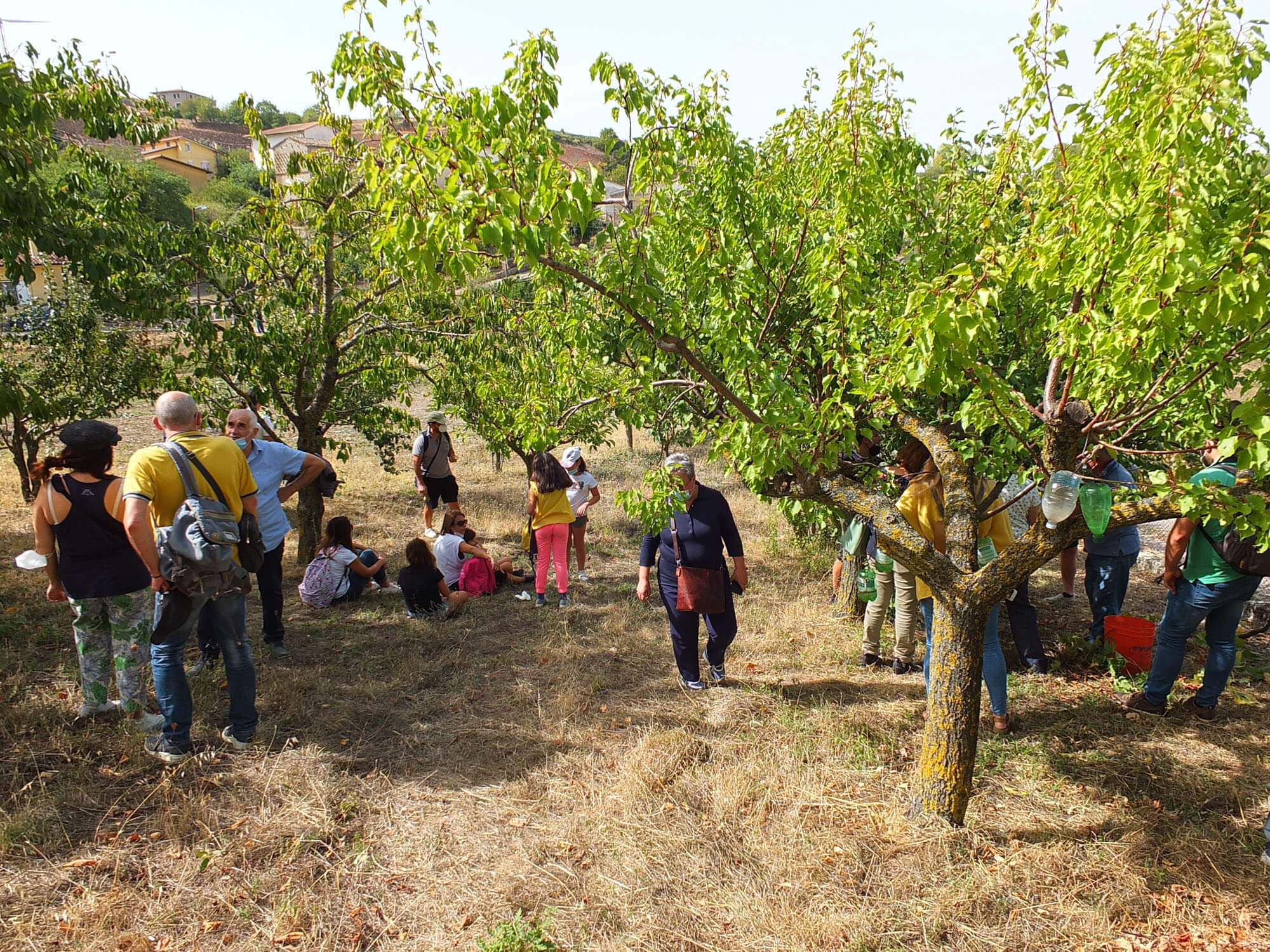
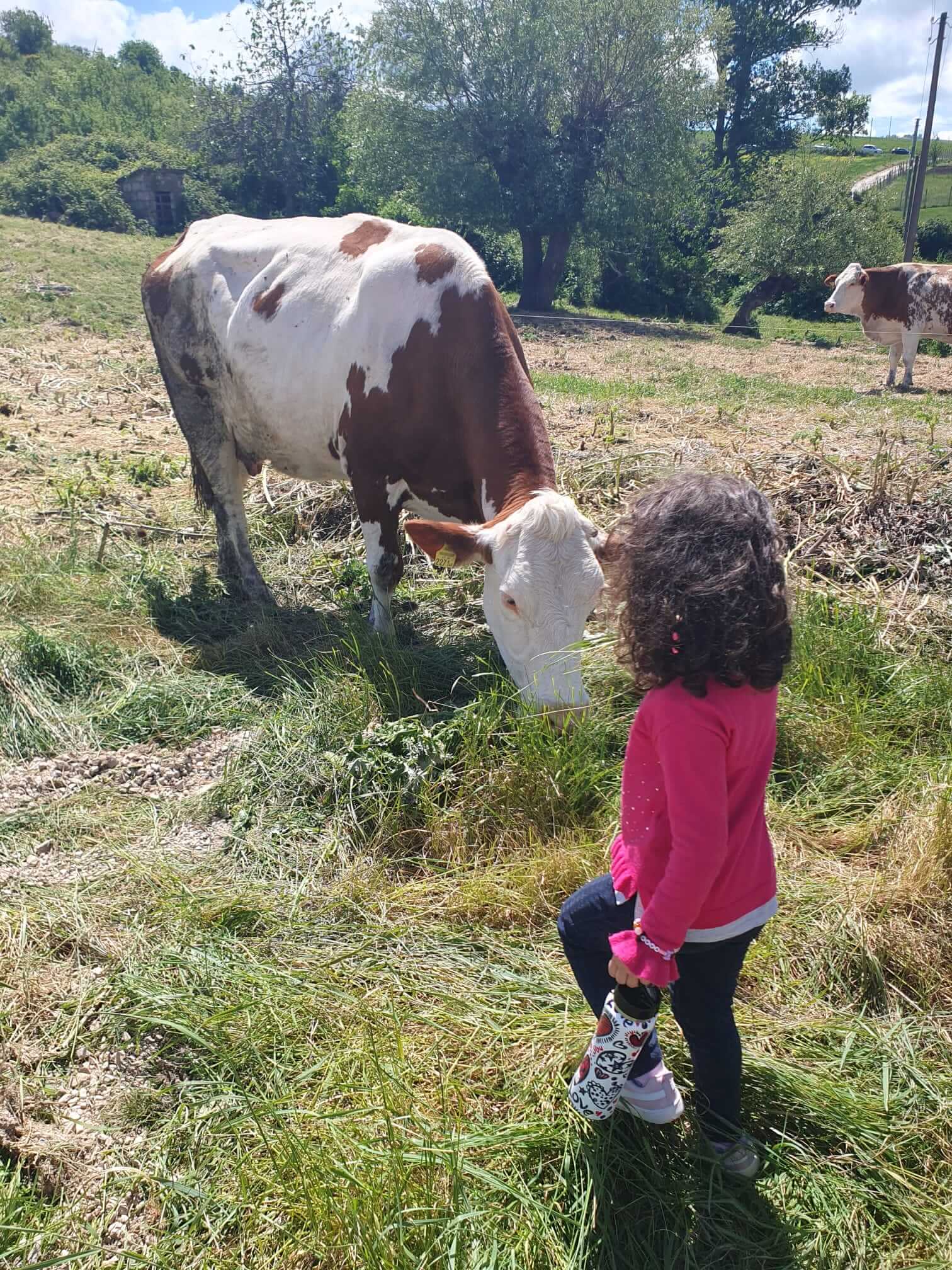
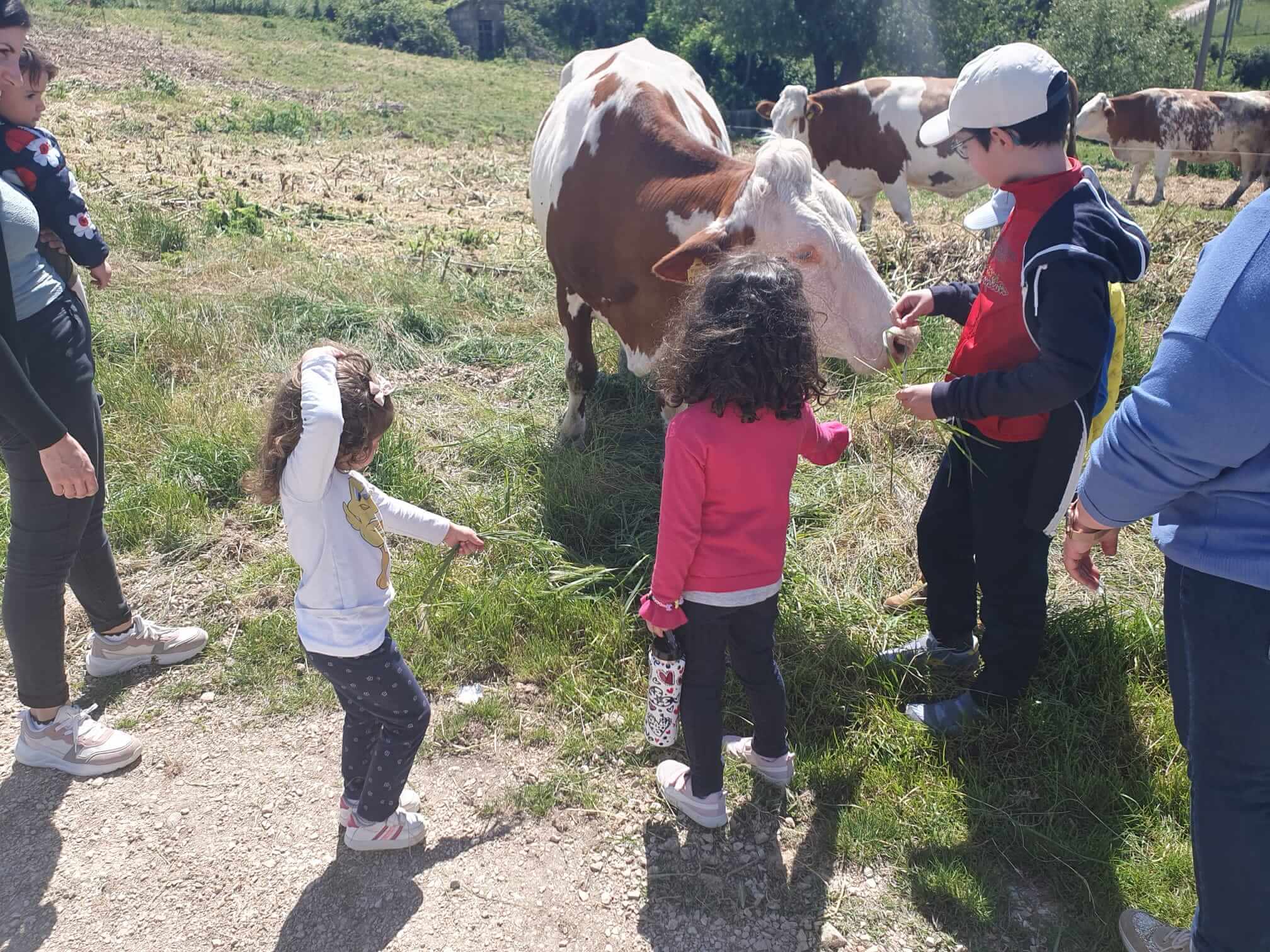
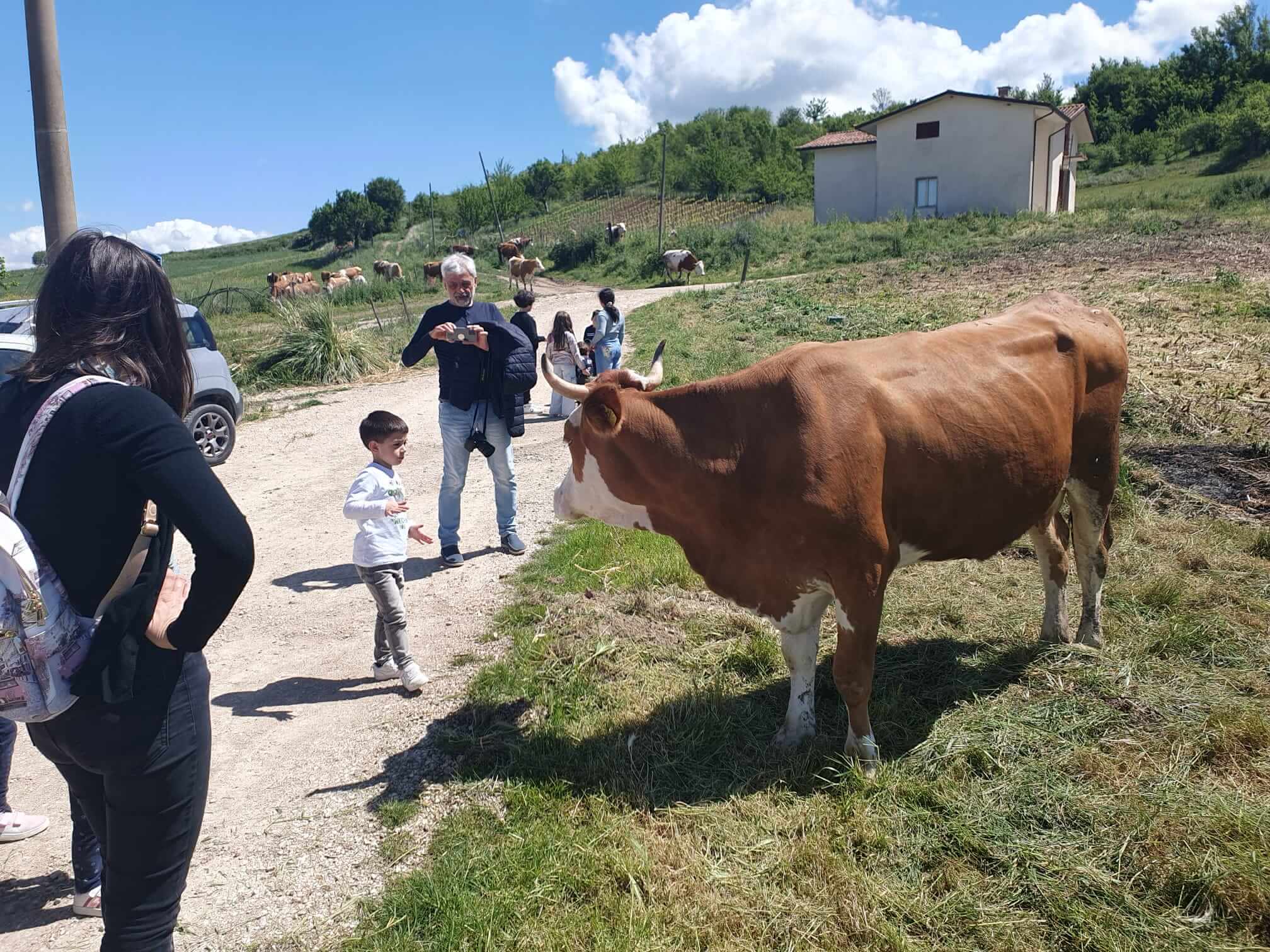
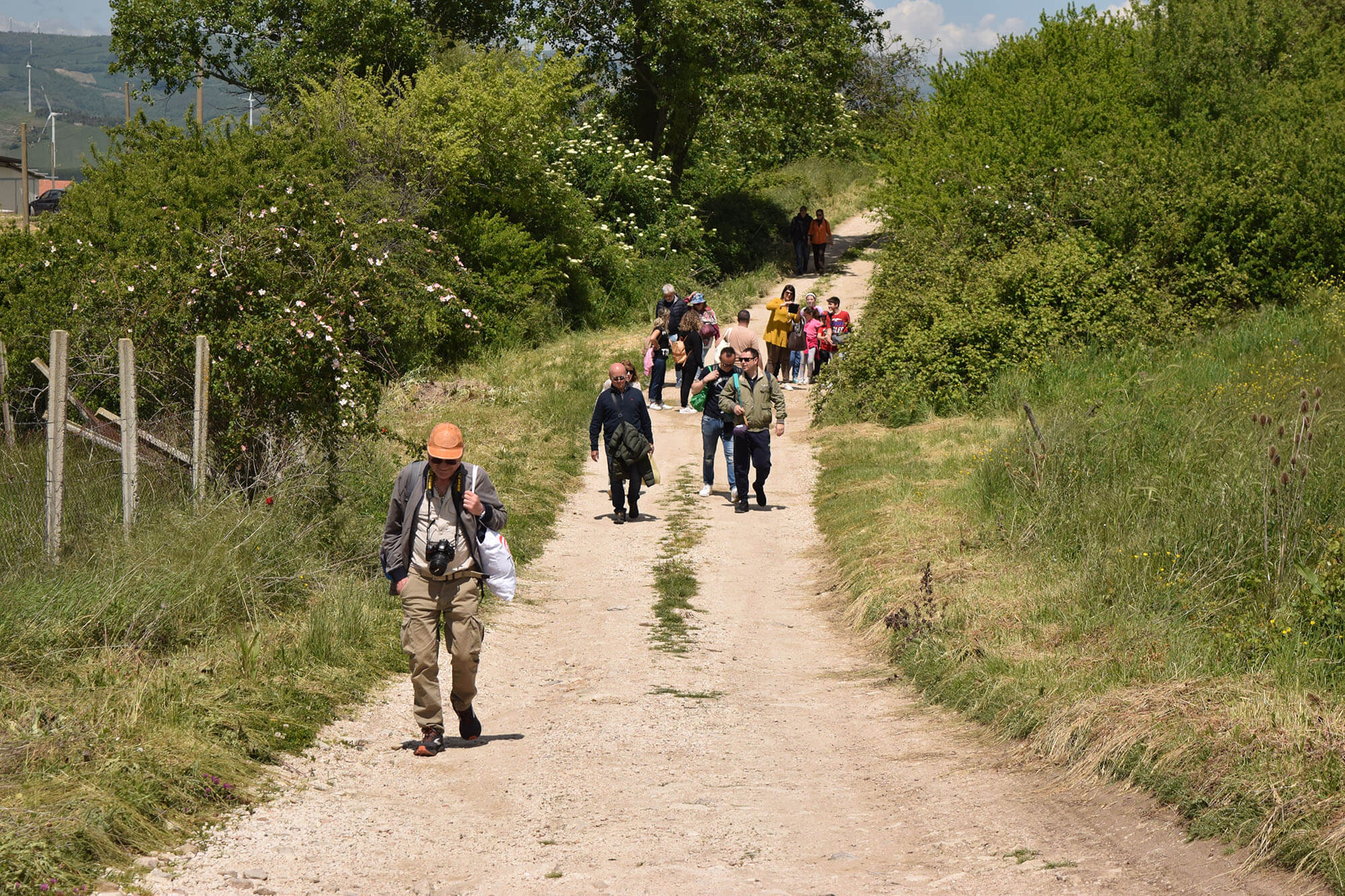
At pasture with the cheesemaker
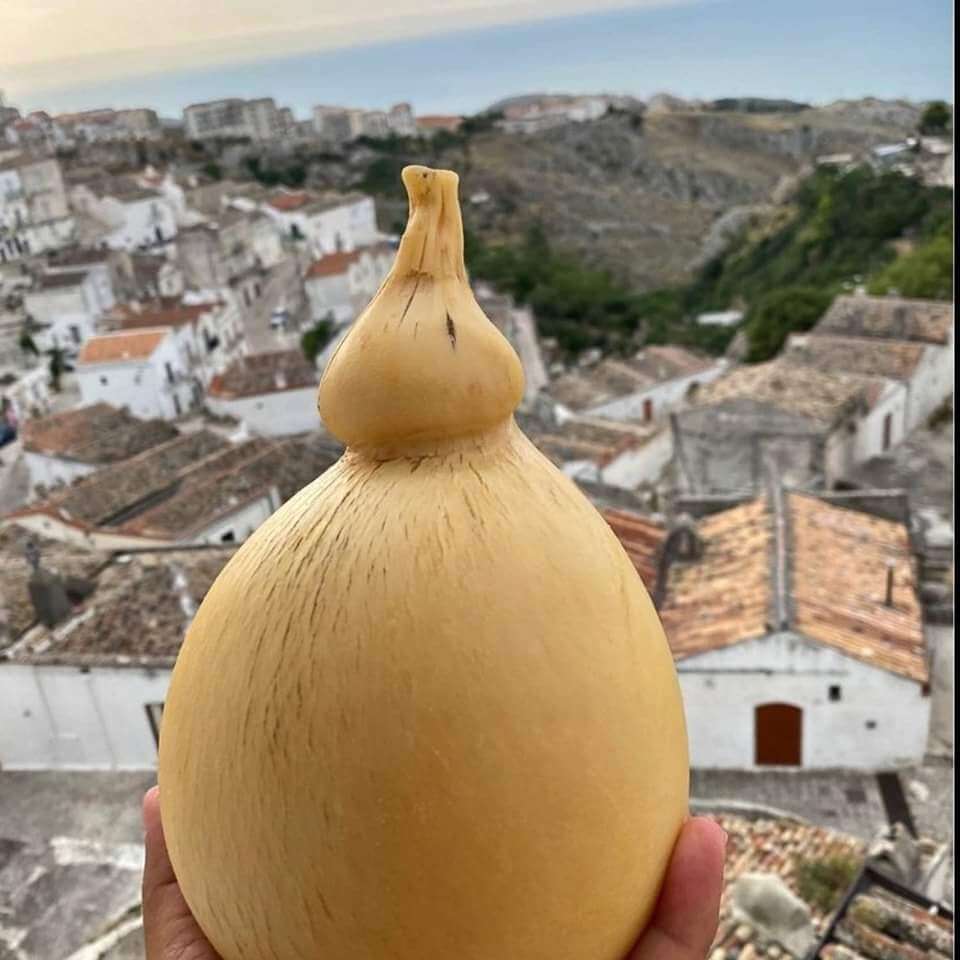
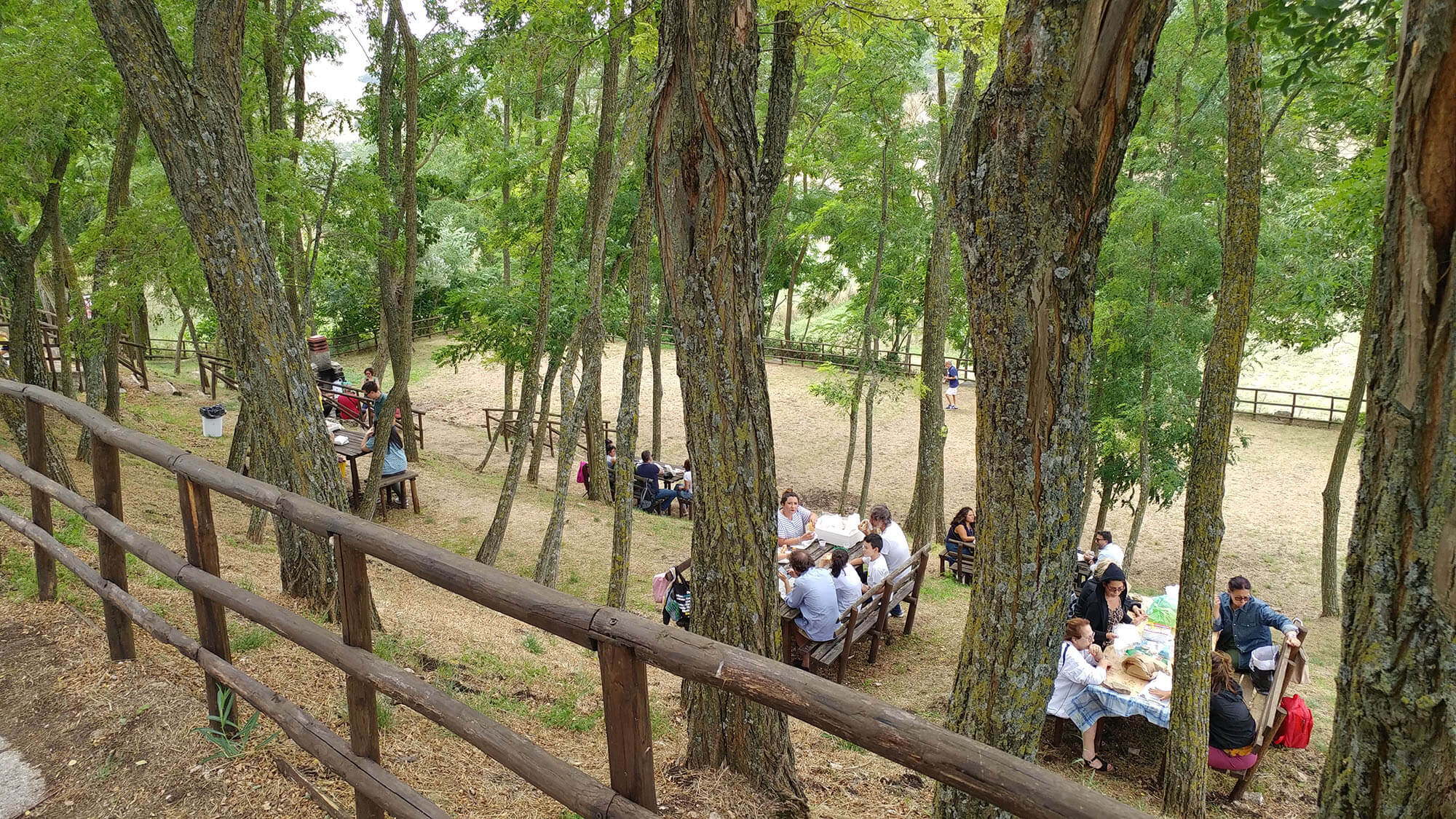
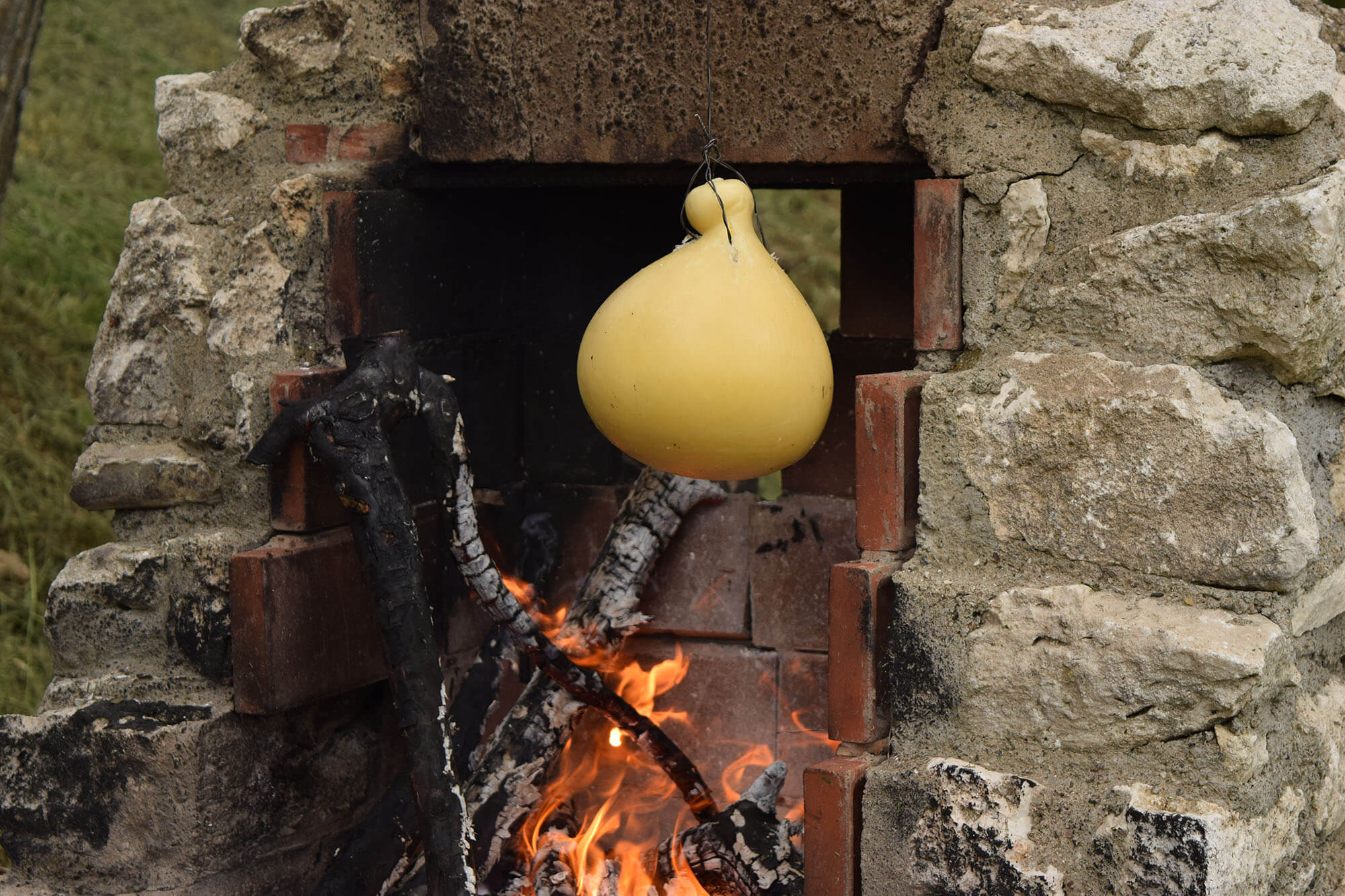
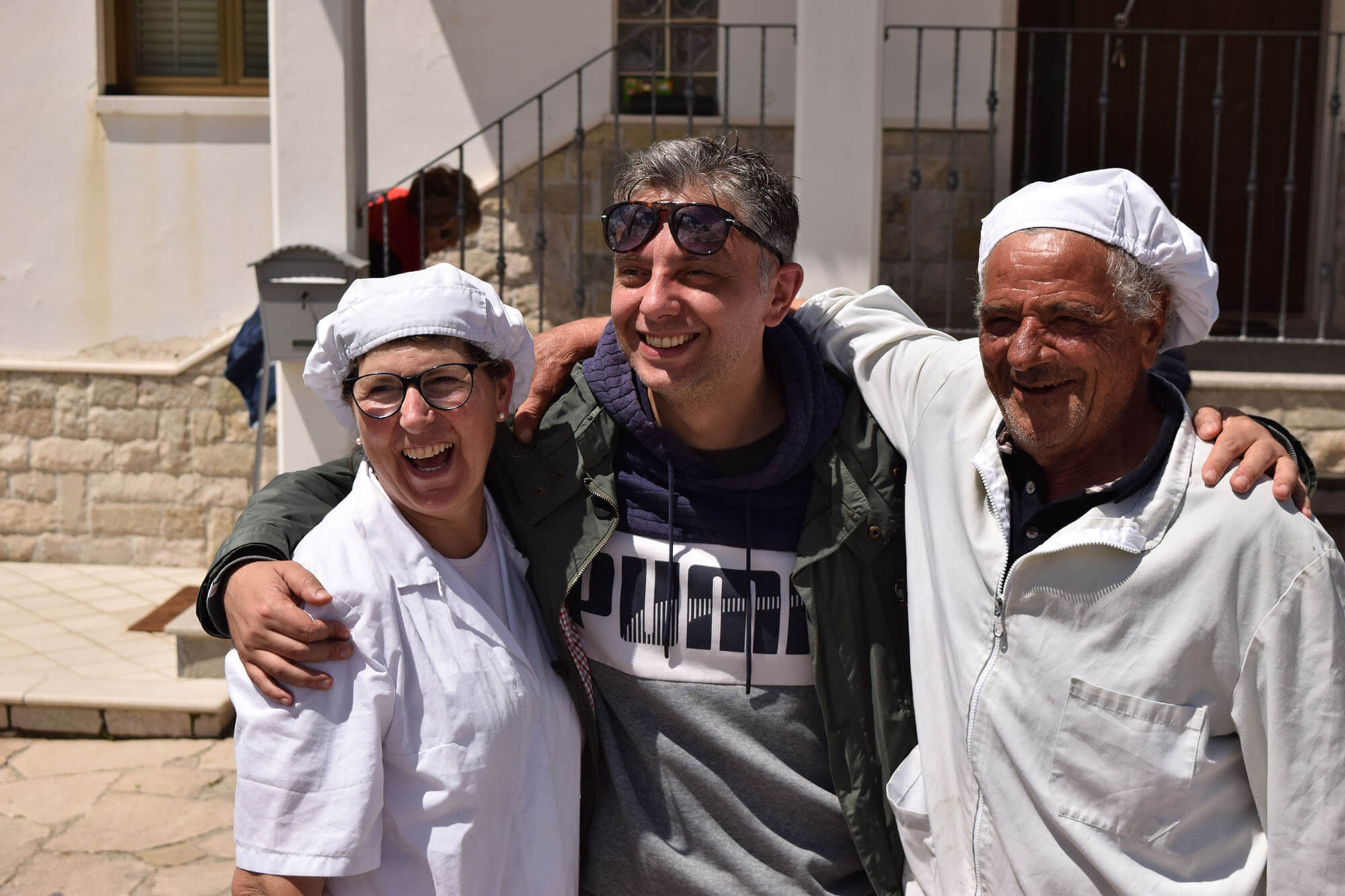
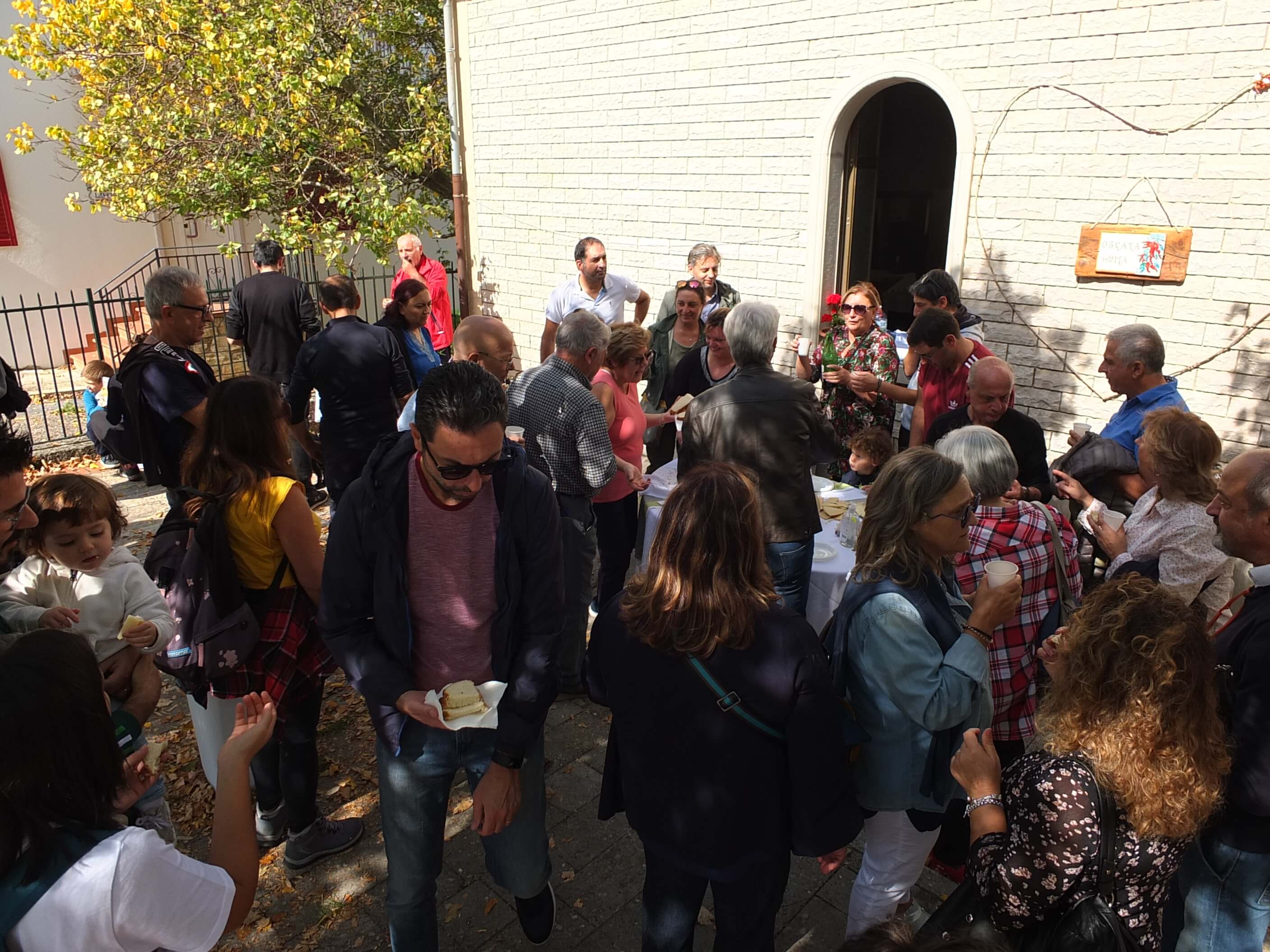
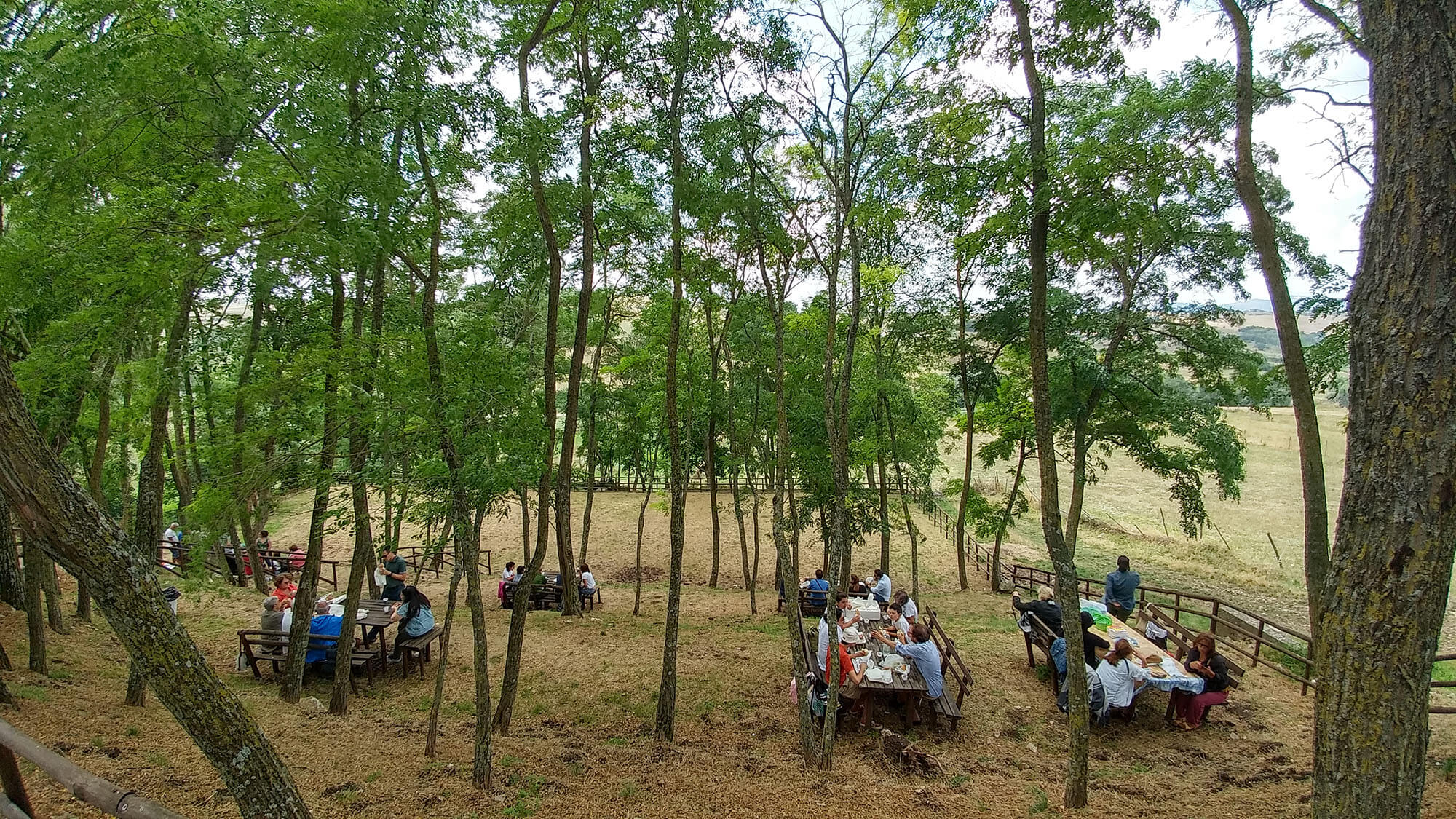
Harnessing the great regenerative power of spring—which provides pastures, and therefore cheeses, with their best nutritional and aromatic qualities—Oscata inVita, in collaboration with the centuries-old Le Ferregne farm, organizes a day dedicated to farm visits and tastings. Guests can meet a family of breeders who, for four generations, have overseen the entire dairy production process: from growing the livestock feed to making the cheese, which is still aged in an ancient rural cellar. After the tasting, we go to hang the caciocavallo in the shade of acacia and walnut trees in the picnic area of the Serroni spring.
Community baking
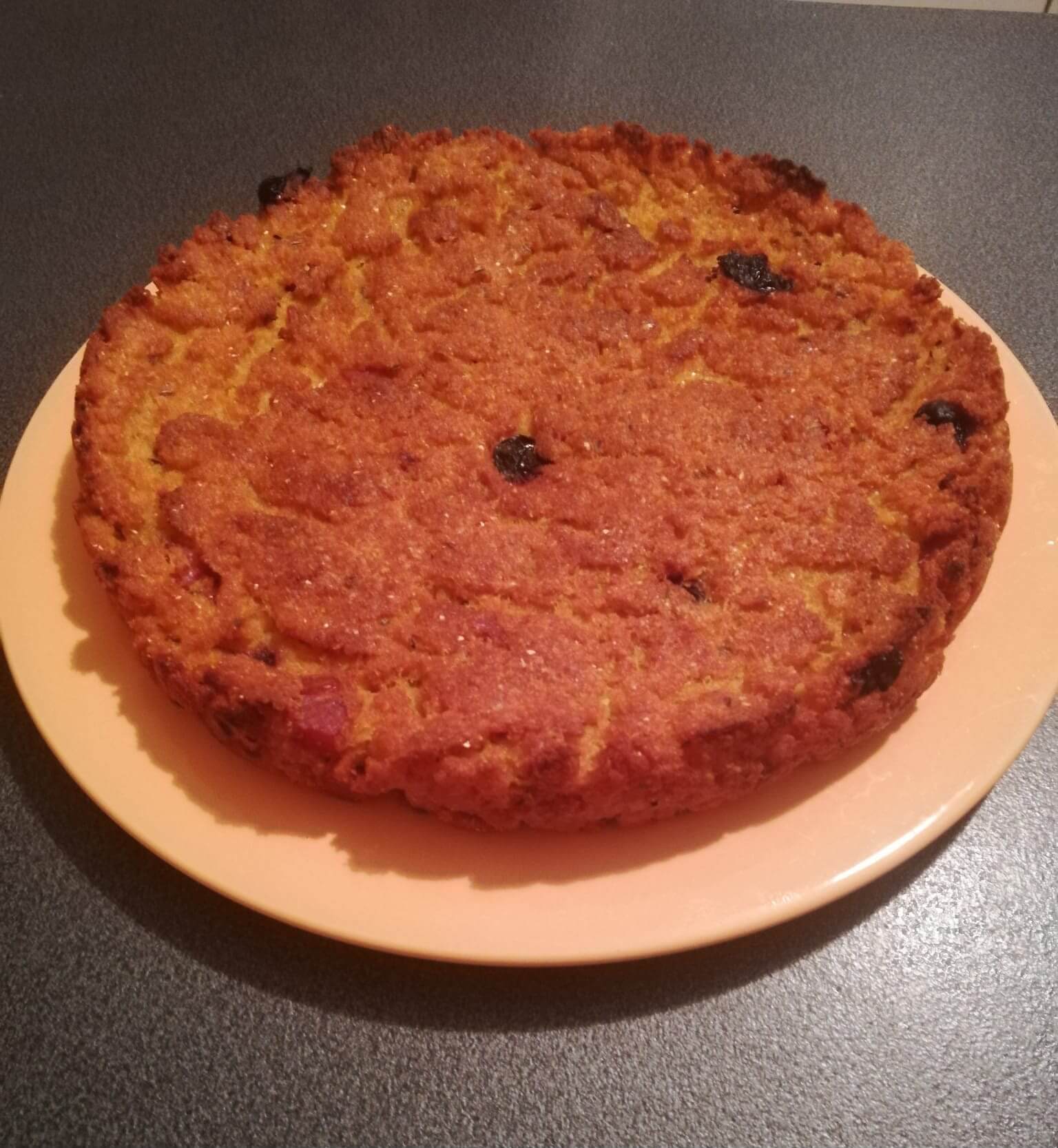
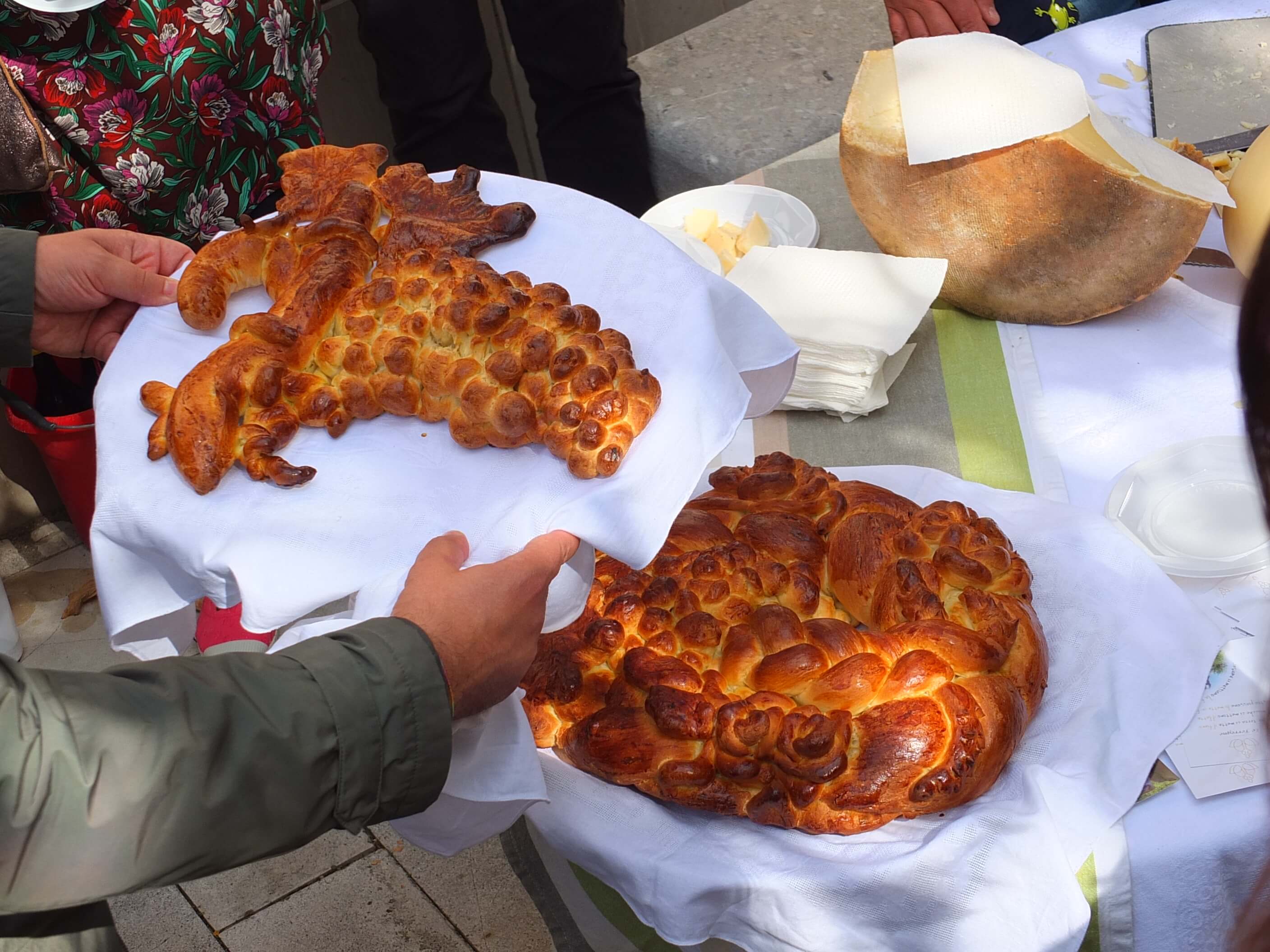
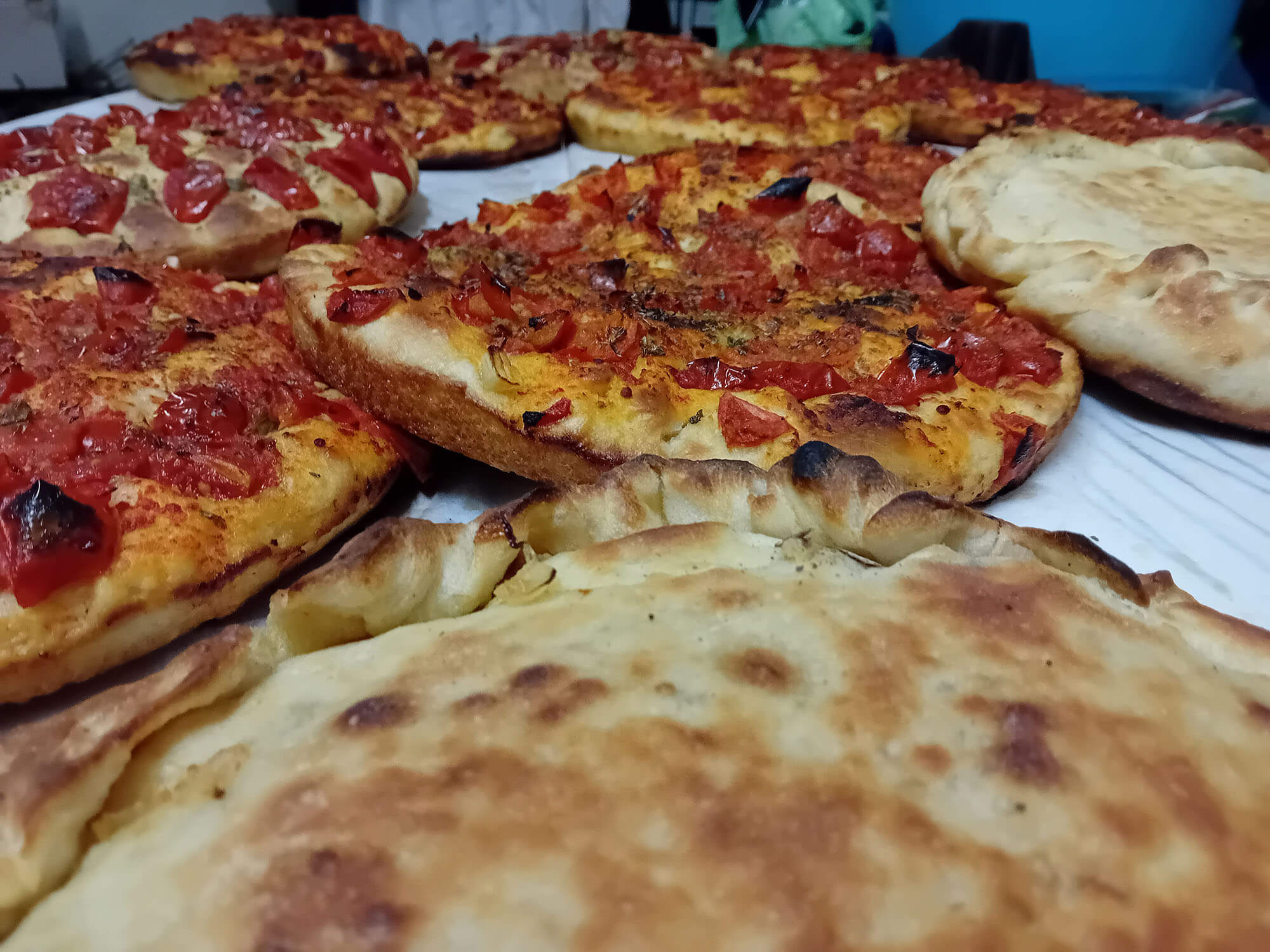
Oscata inVita hosts collective baking events that revive an ancient tradition once practiced by local families, who shared a communal oven to bake the bread needed for the week. The bread baking was always preceded by that of the pizzas—flatbreads topped with tomatoes and oregano—which were used to test the oven’s temperature and heating capacity.
Grape pressing
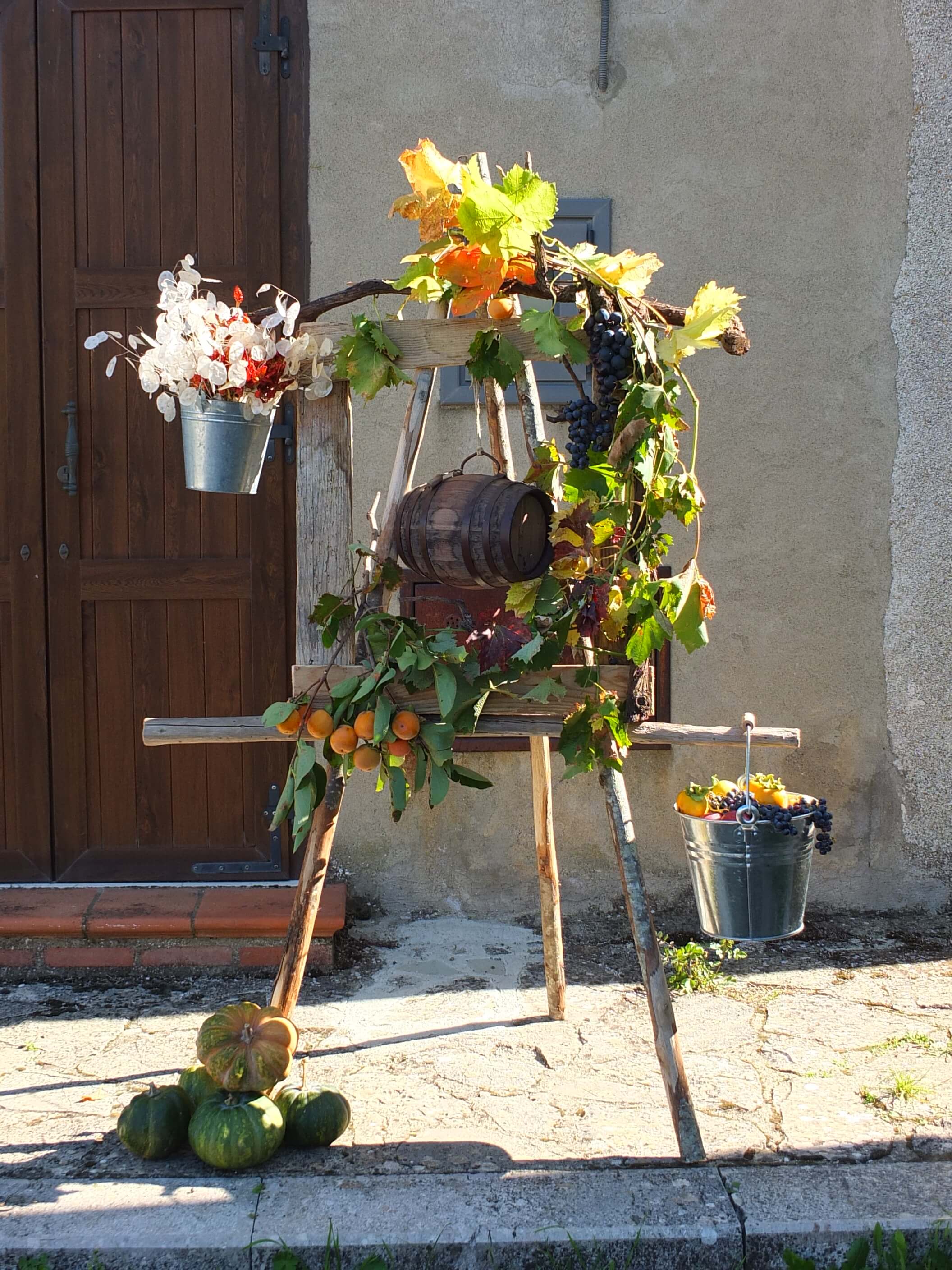
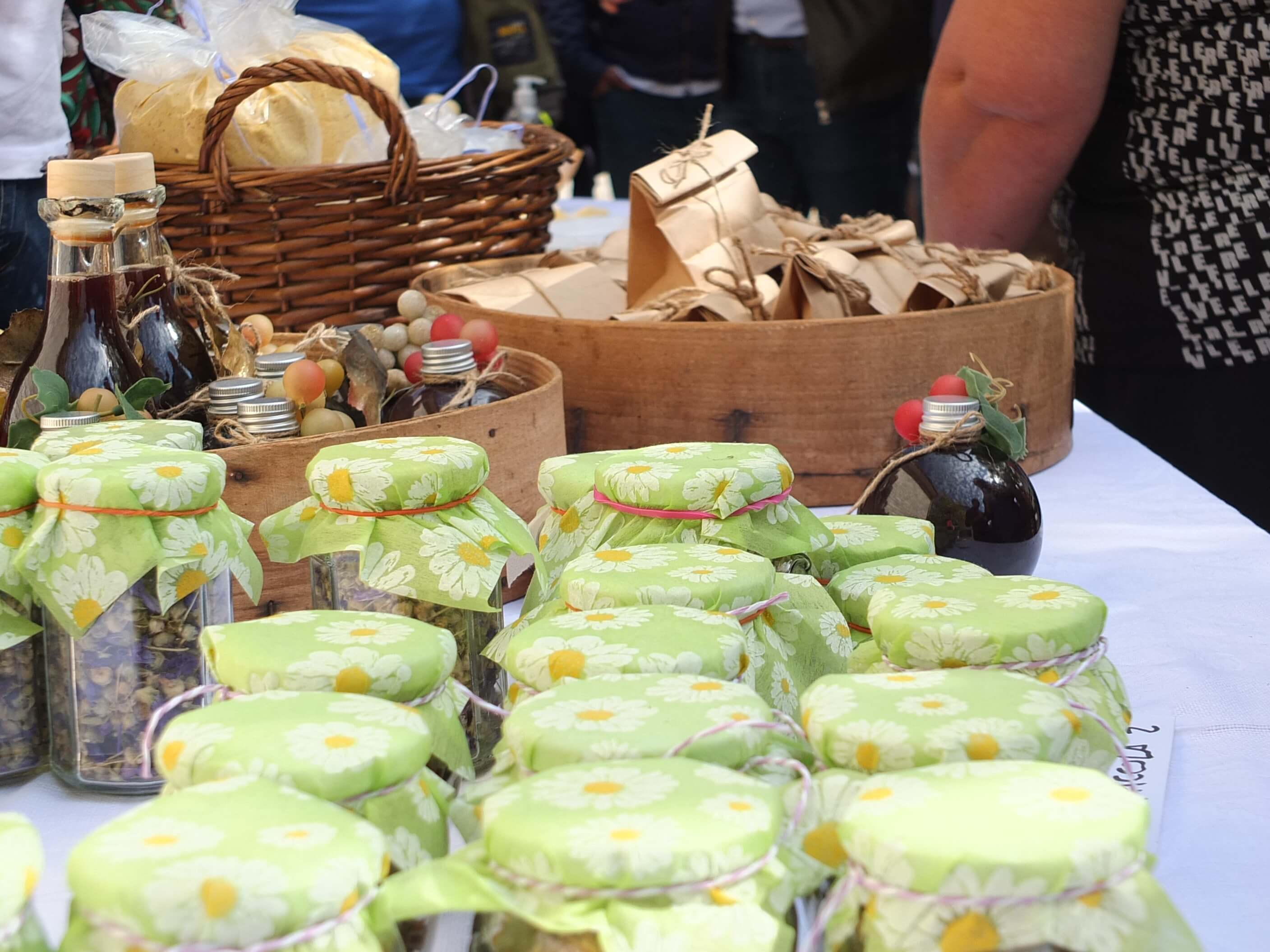
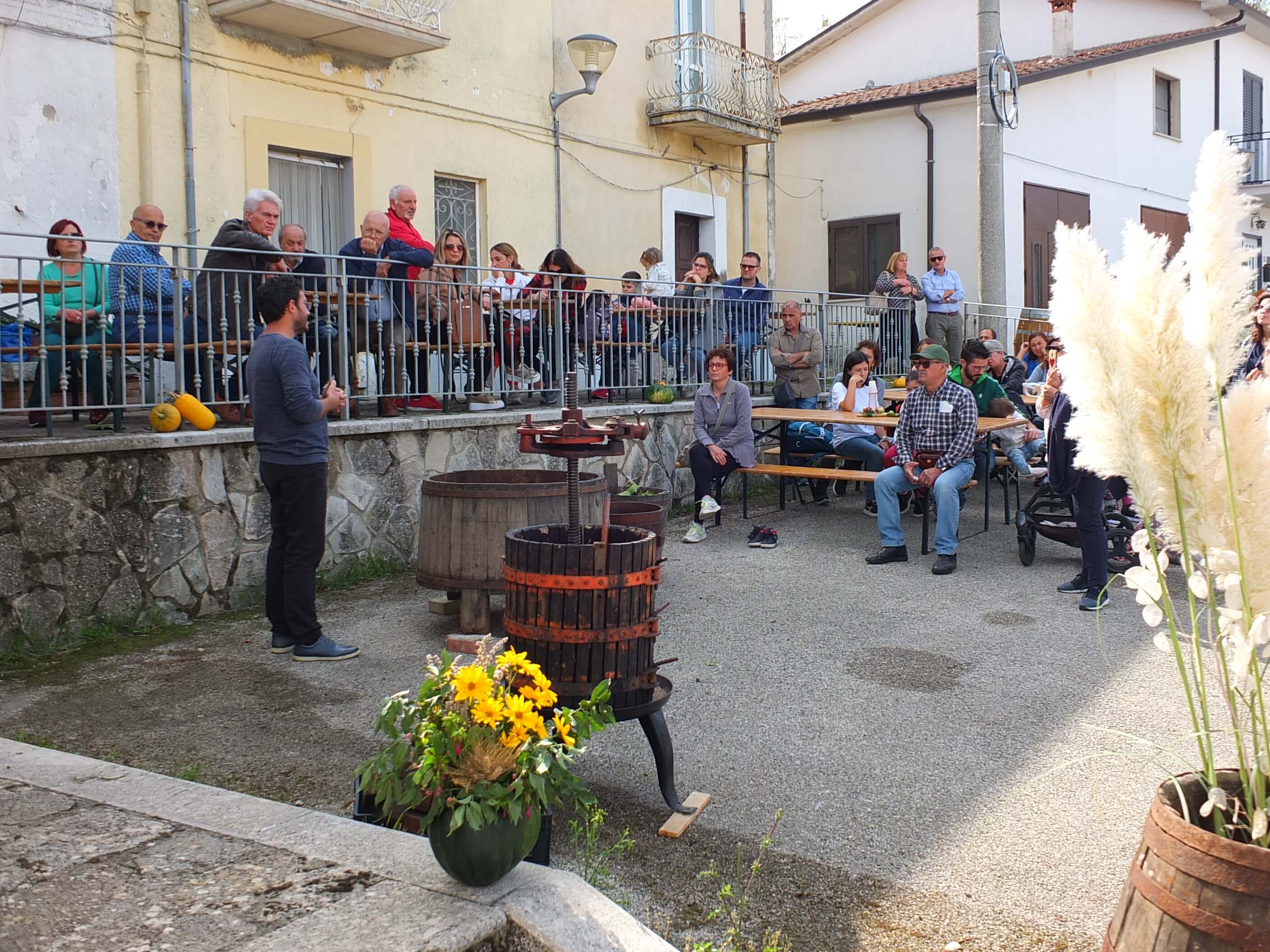
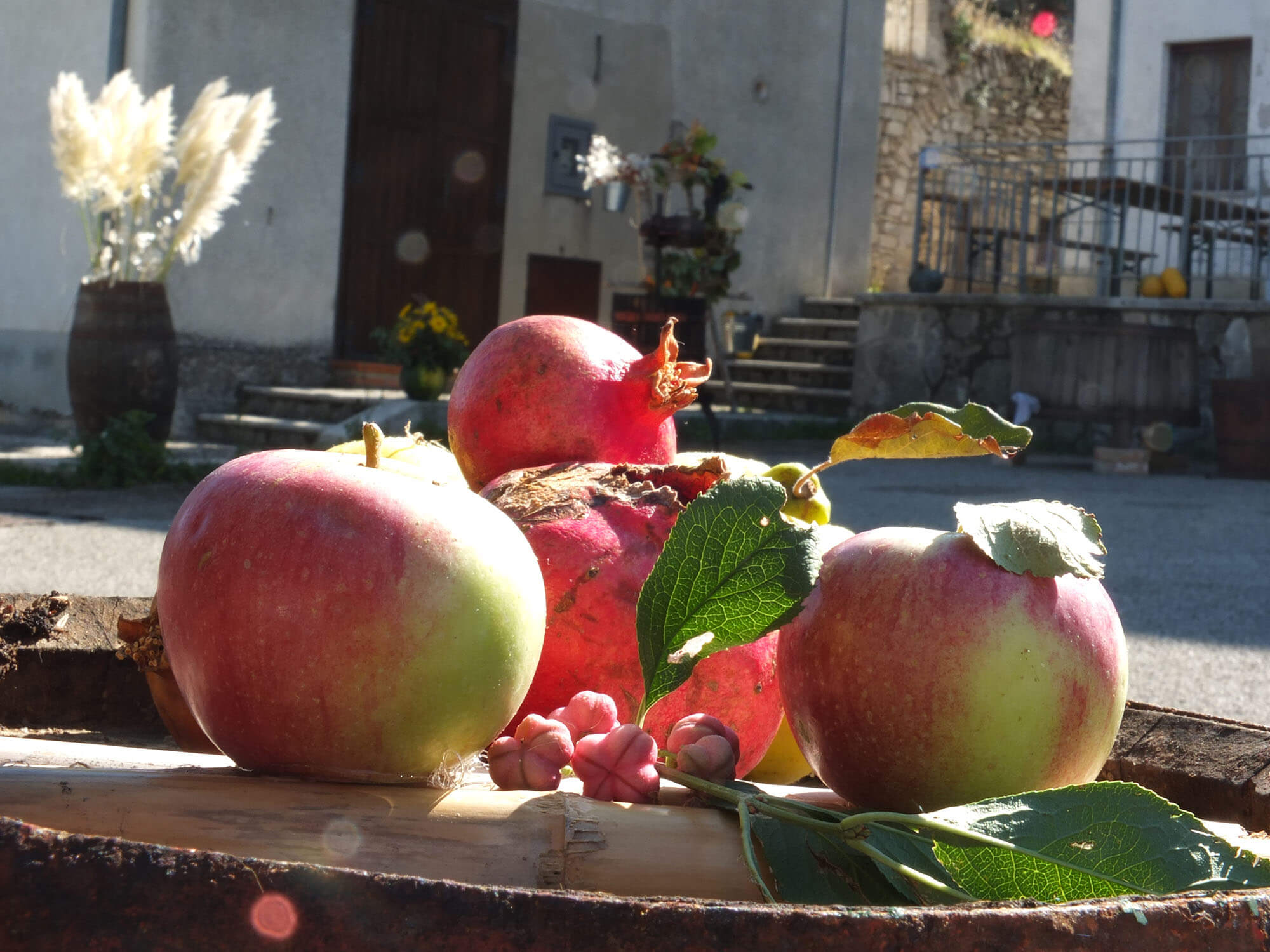
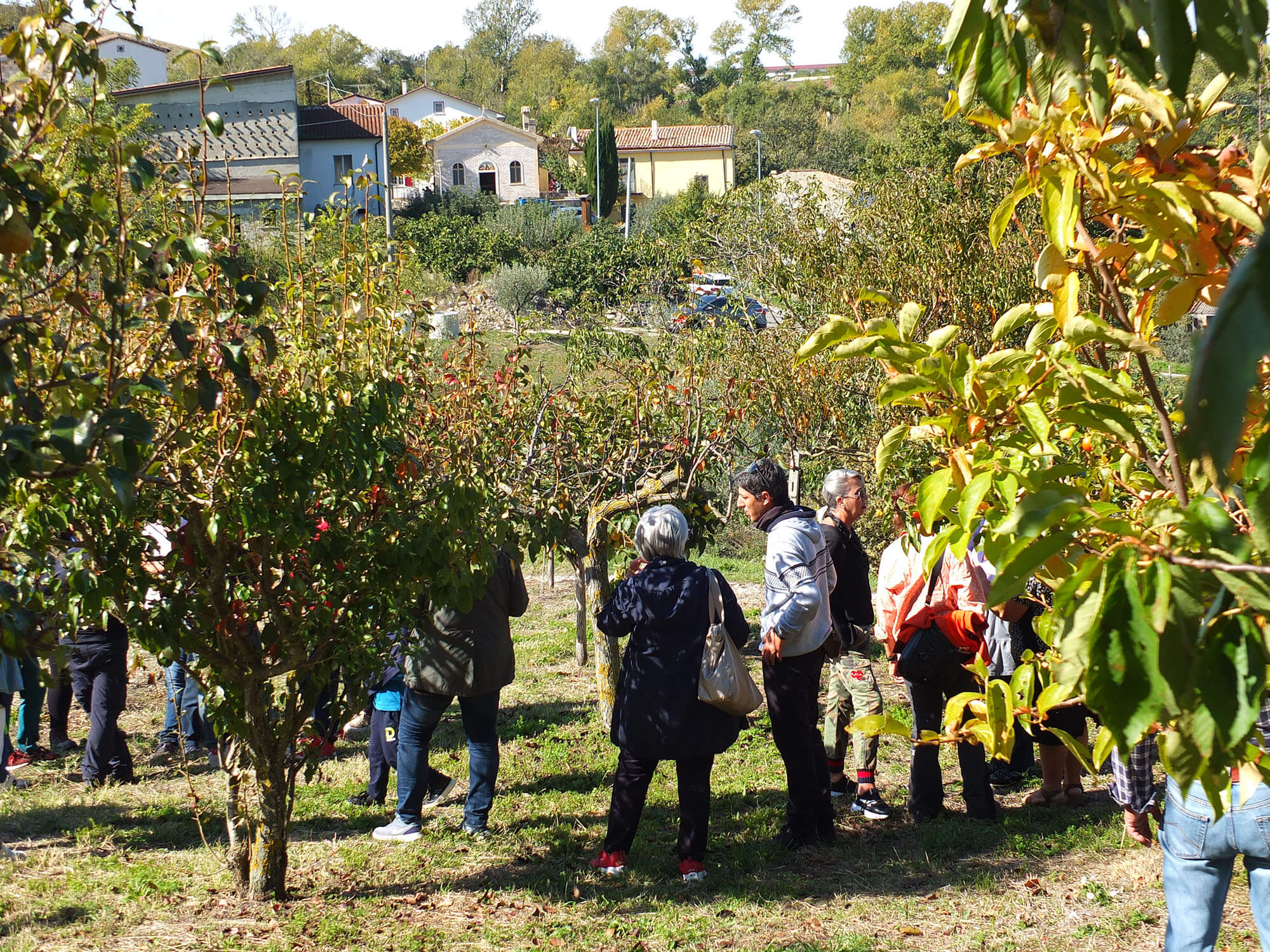
At the end of September, Oscata inVita celebrates the grape harvest, reviving in a single day the age-old customs of winemaking. Starting from the vineyards near the village, visitors can taste local products and listen to stories told by residents about grape gathering and the traditional process of making wine. Old tools are displayed and used, and guests can take part in a demonstration of grape pressing. The menu is entirely grape-themed, and food is cooked on small furnaces called fornacelle. Don’t miss the quince cooked in vino cotto (cooked wine) served as dessert!
Village festival
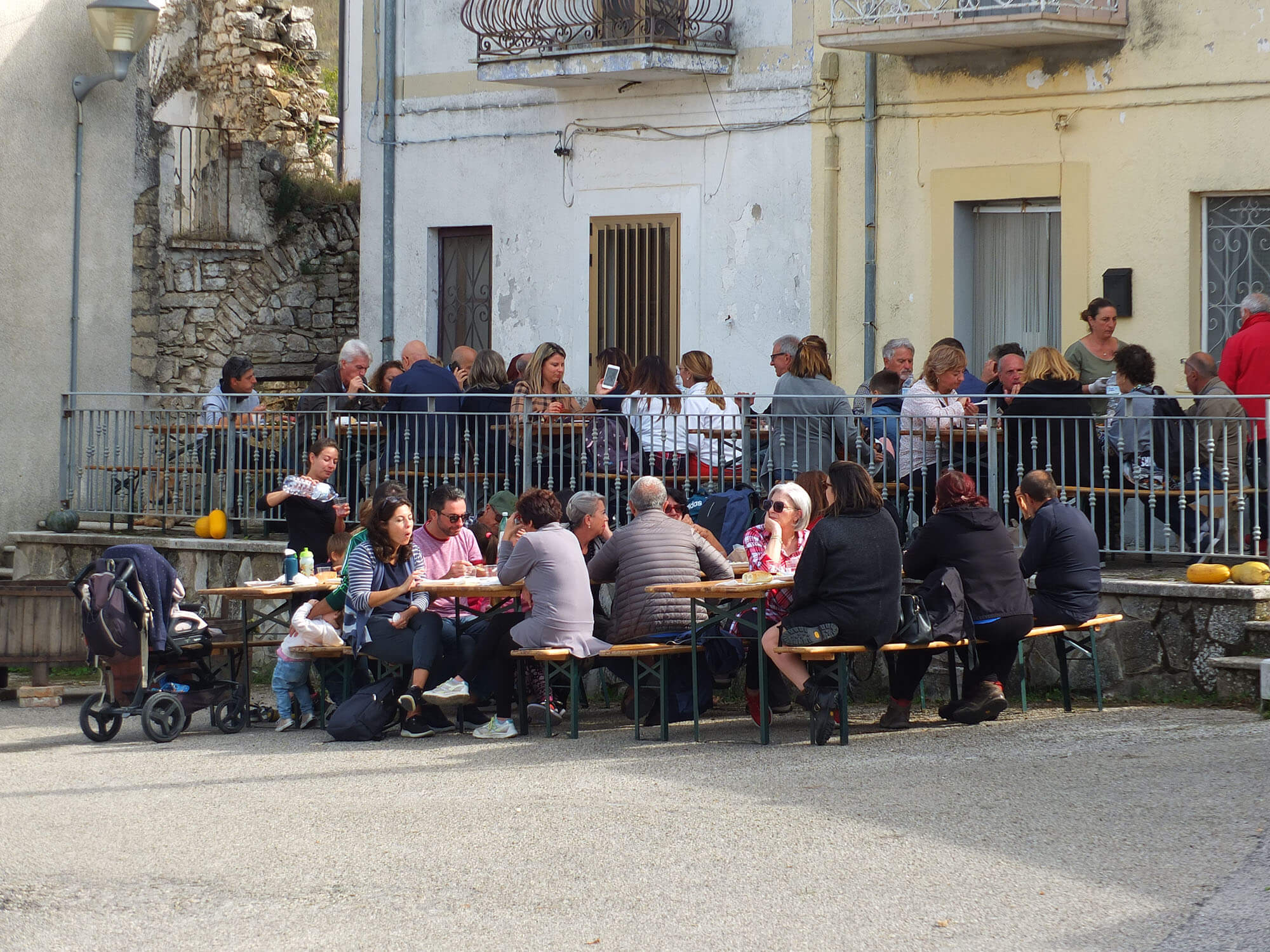
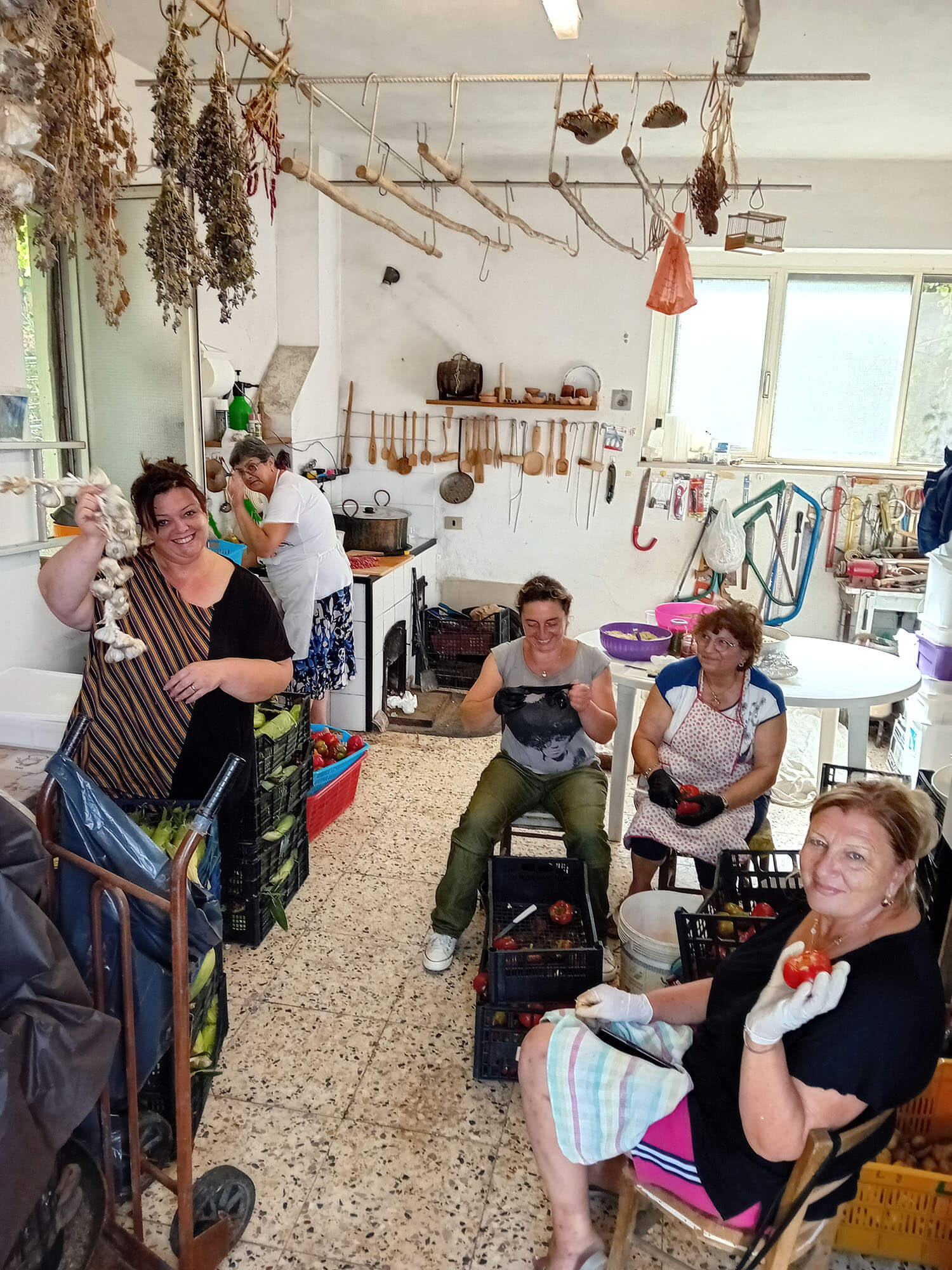
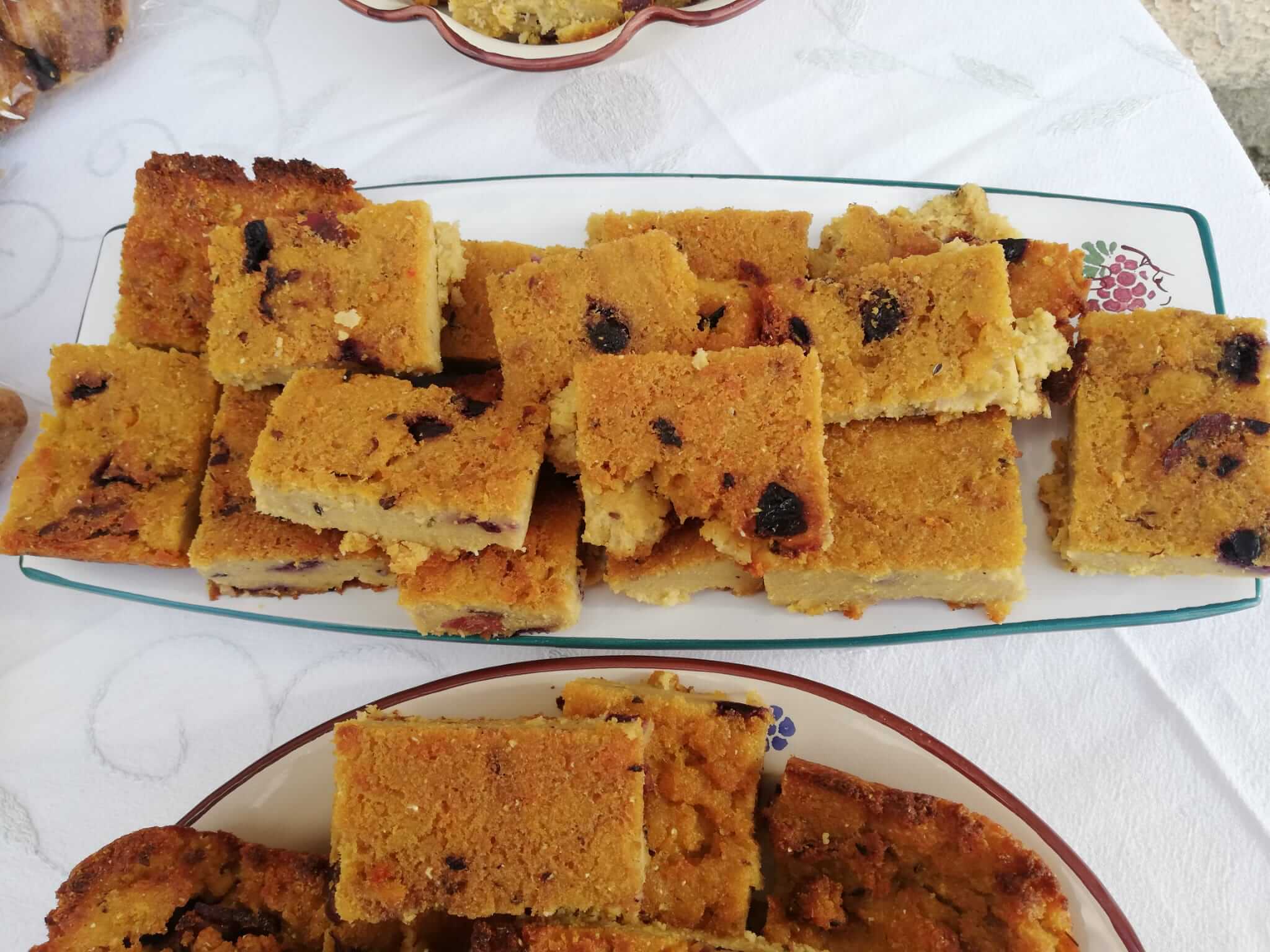
This is a historic neighborhood festival held at the beginning of August, celebrating the products harvested during the summer. The stars of the event are two traditional grains: corn on the cob and migliazzo, a simple and wholesome dish made with humble ingredients that were always available in peasant households.
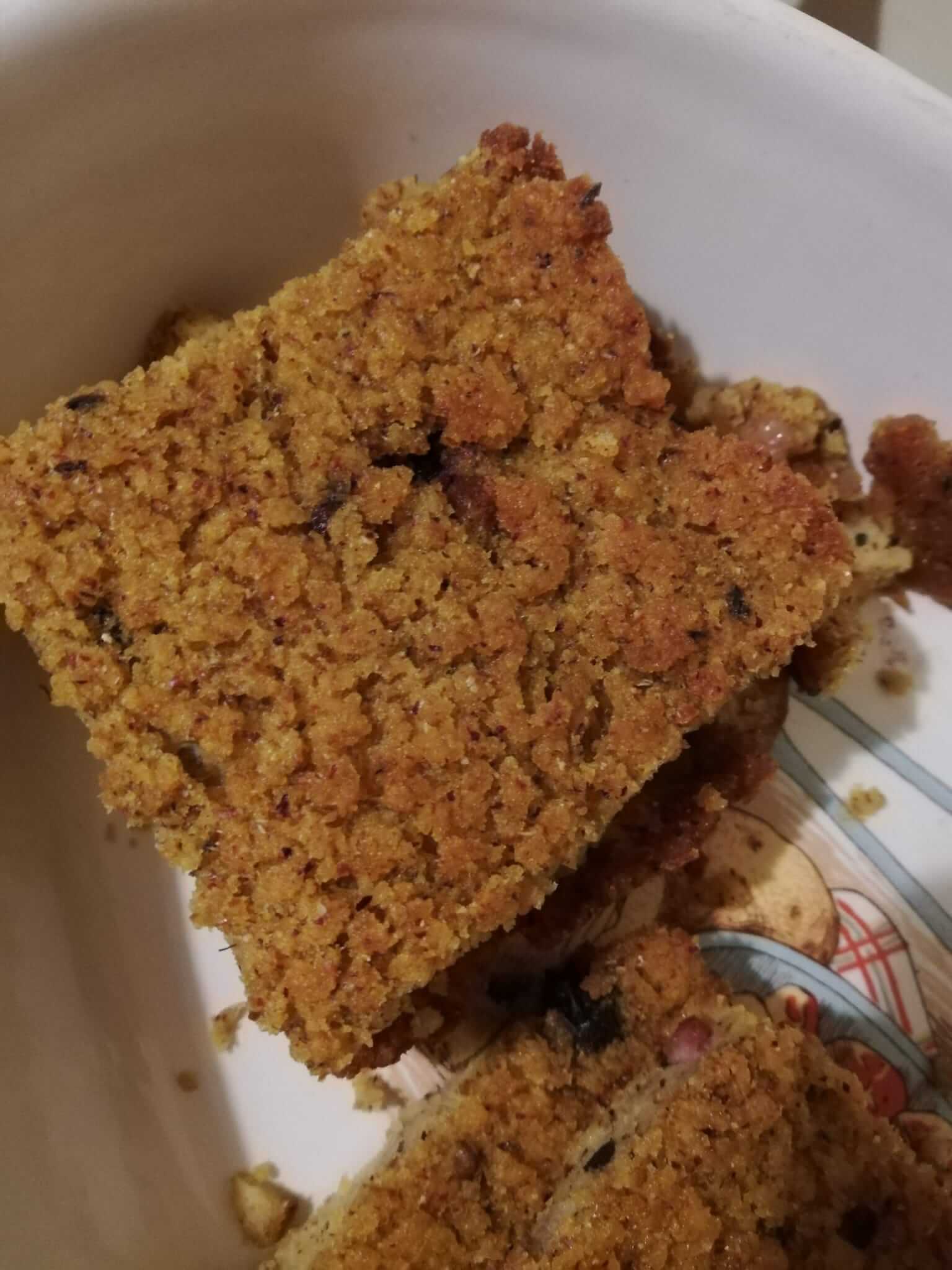
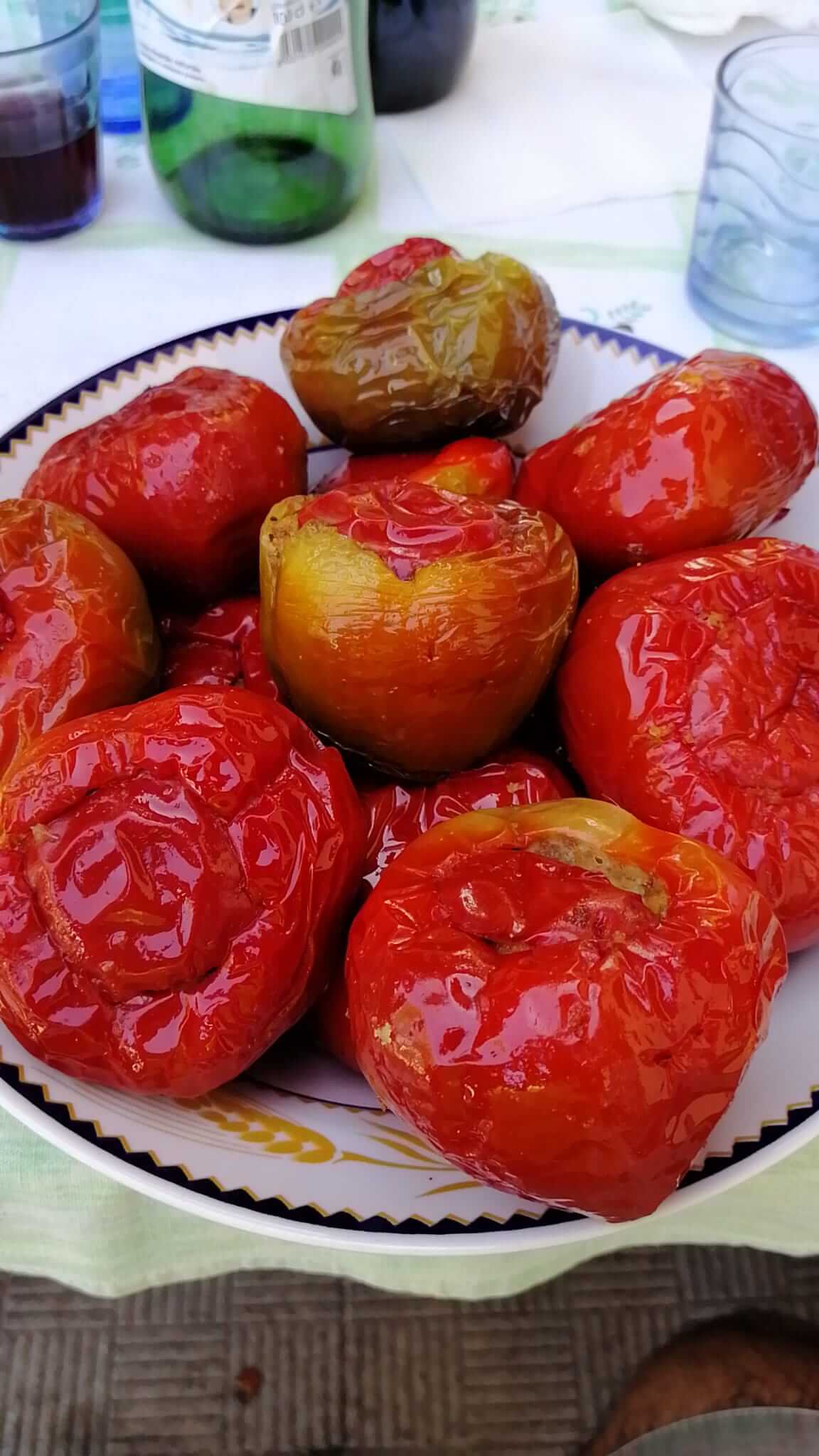
Originally, migliazzo—made with millet flour—was a complete, one-dish meal for farmers. It was cooked "cu re frìttele" (with "ciccioli", large pieces of pork fat) and whatever cheese was on hand. Over time, other traditional dishes were added to the celebration, such as stuffed peppers and ciambotte (vegetable stews) prepared with produce from the community garden.