
Fornacelle
Tangible heritage
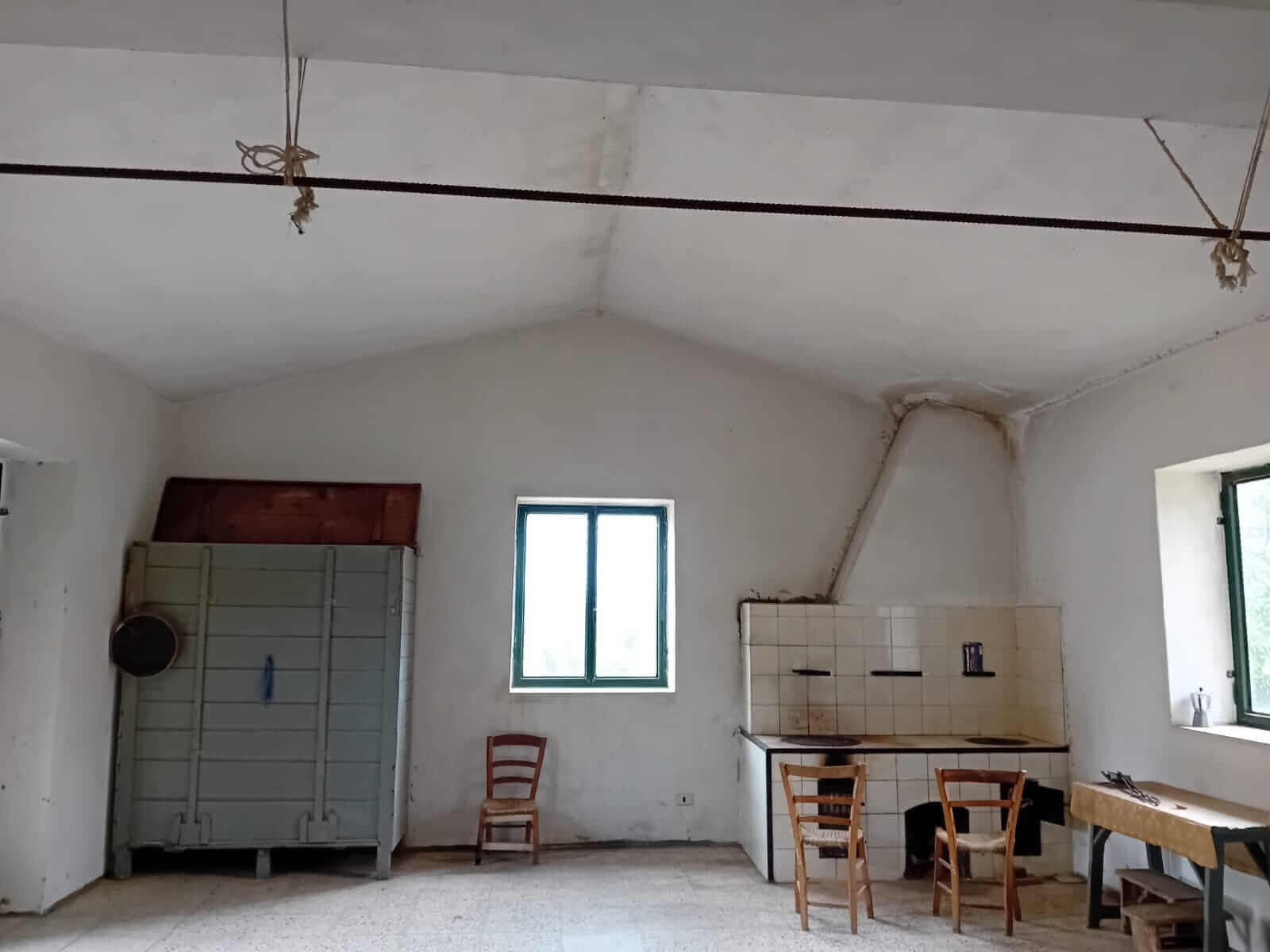
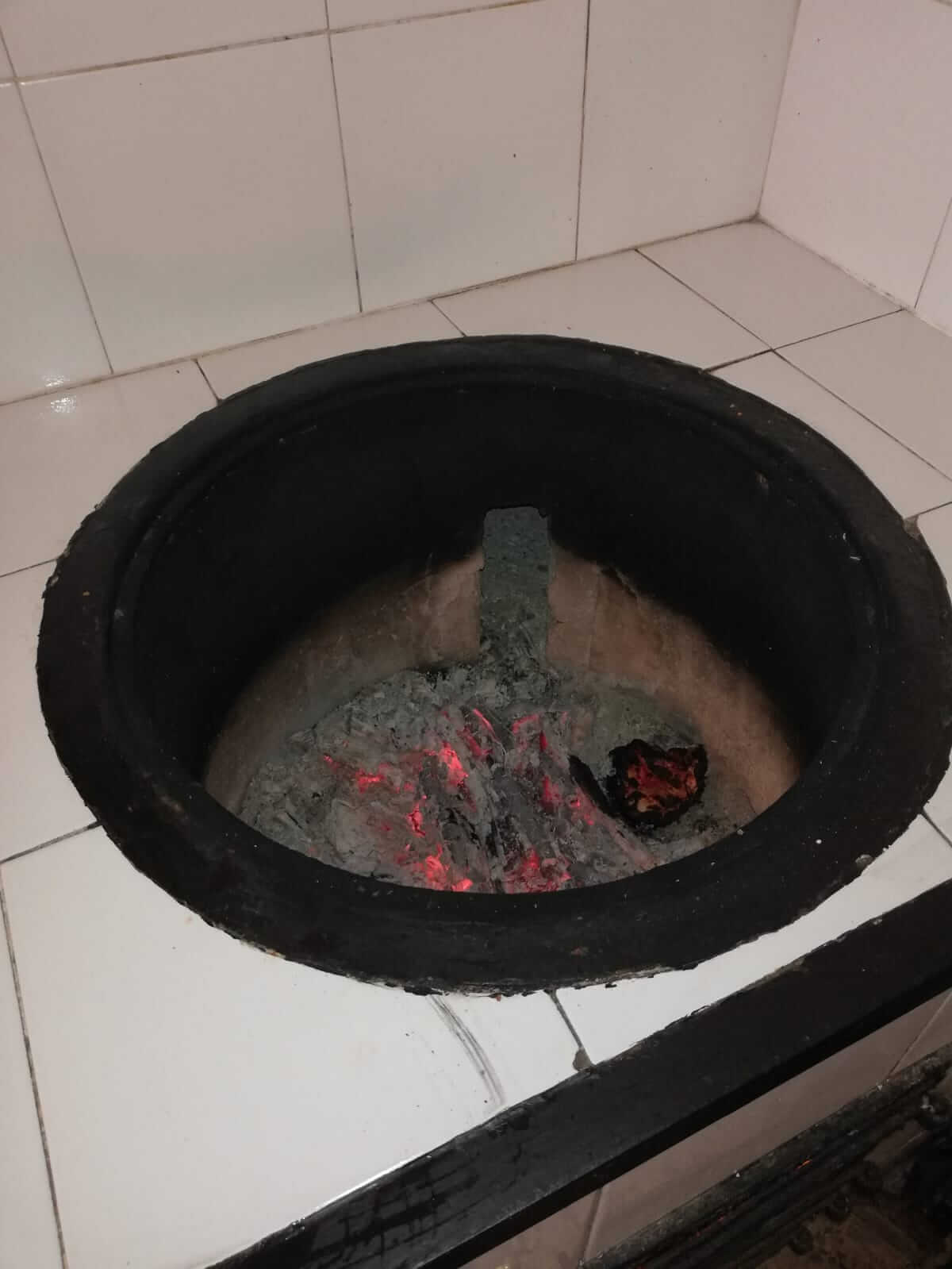
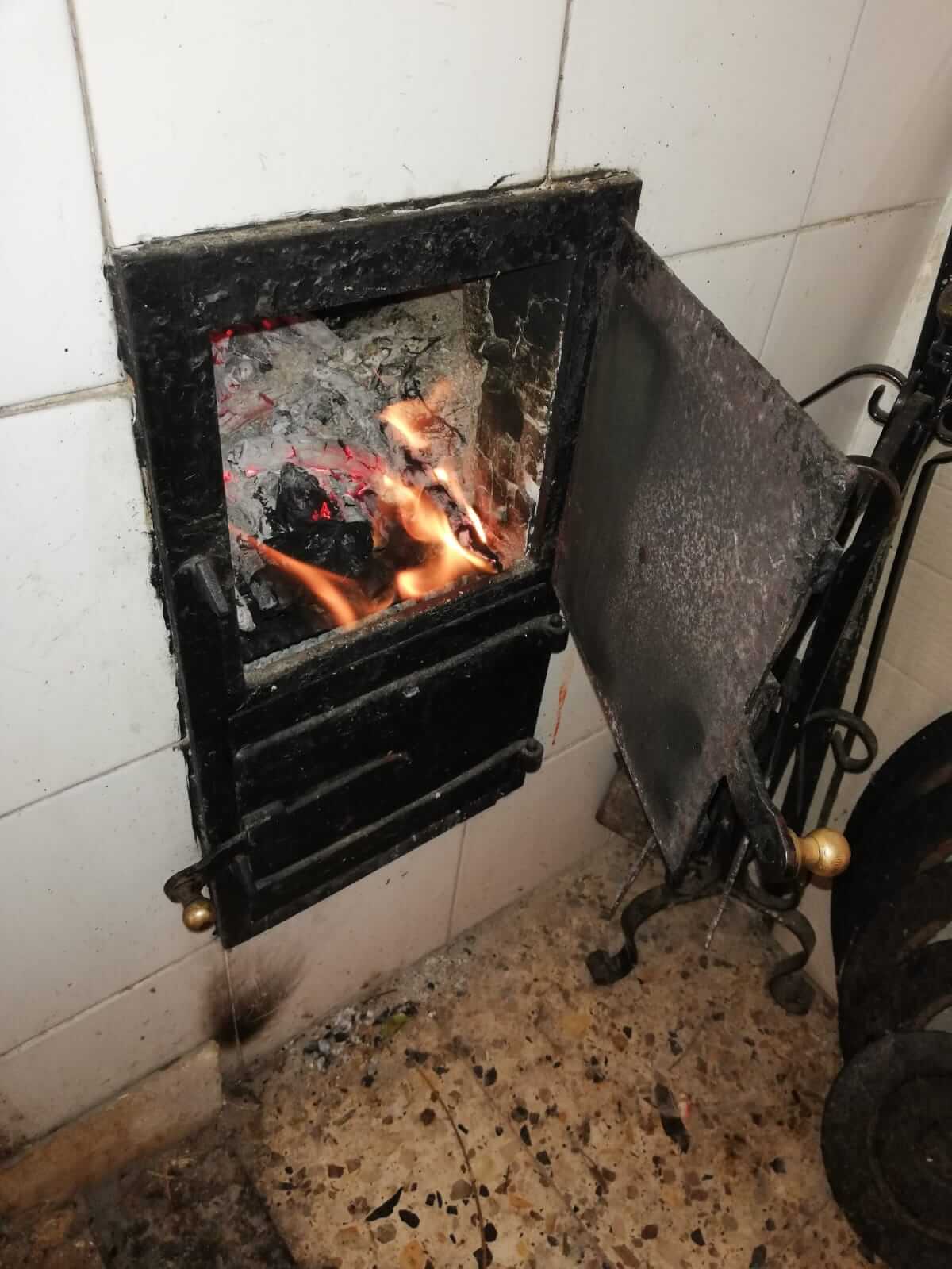
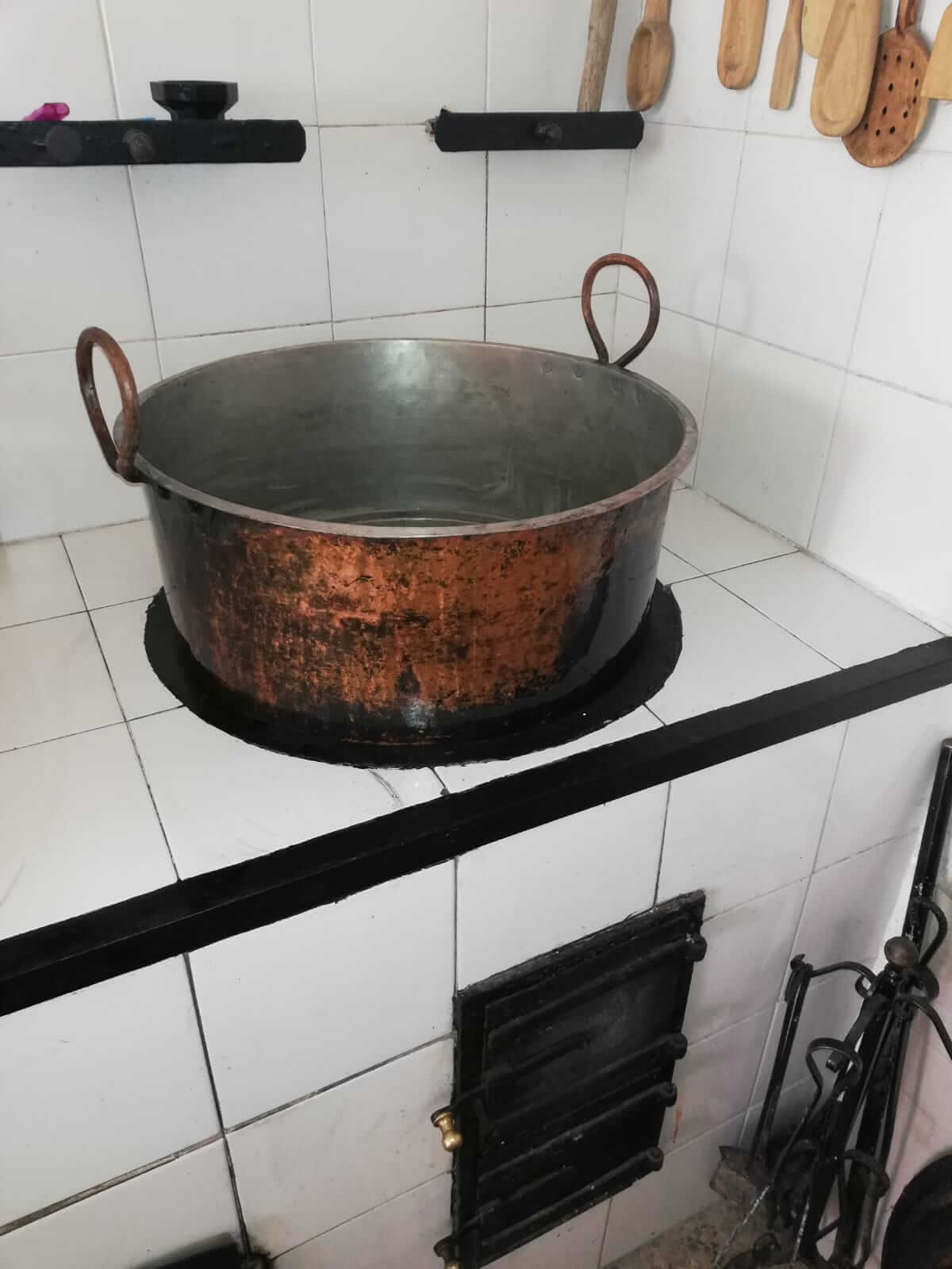
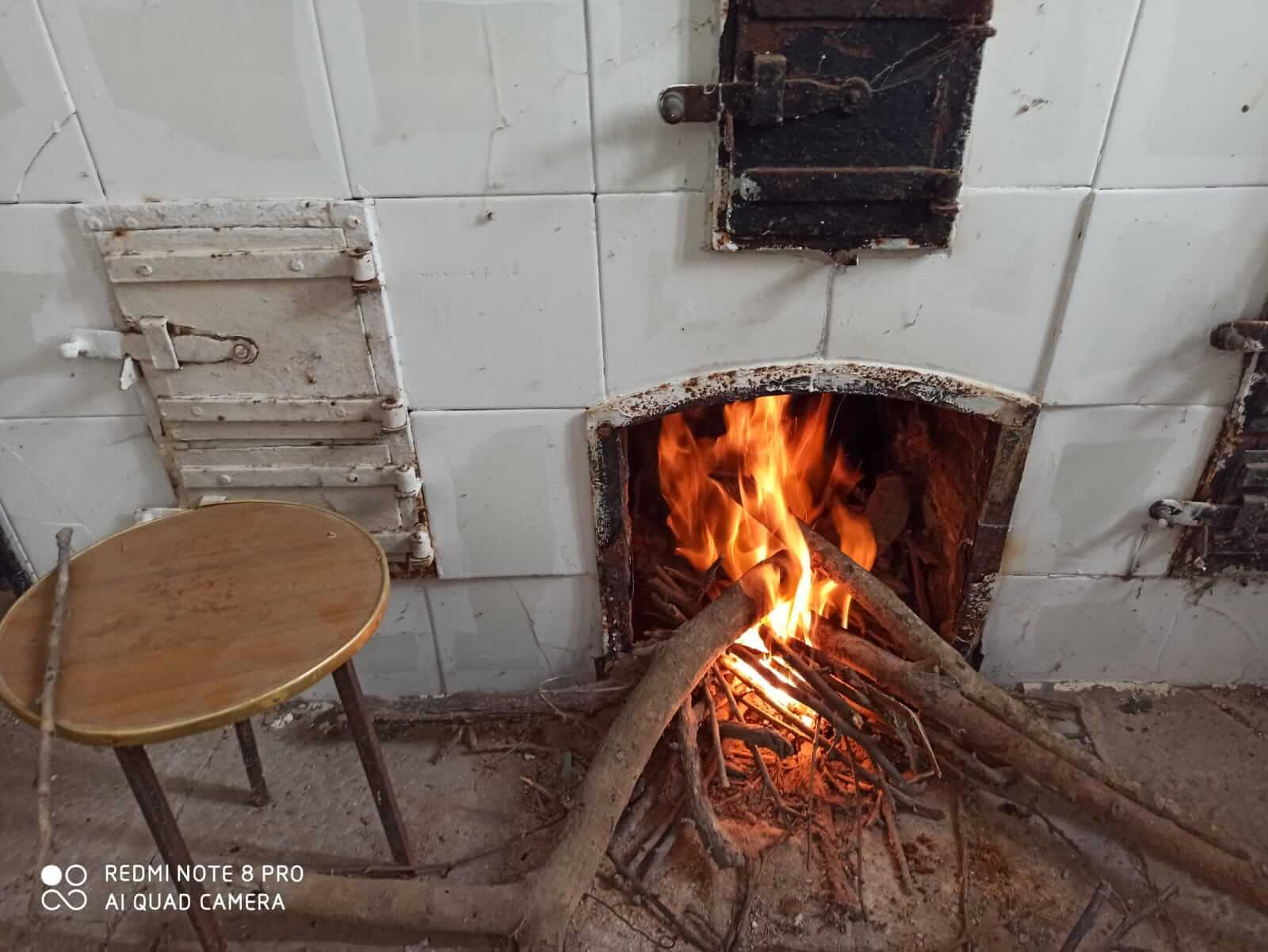
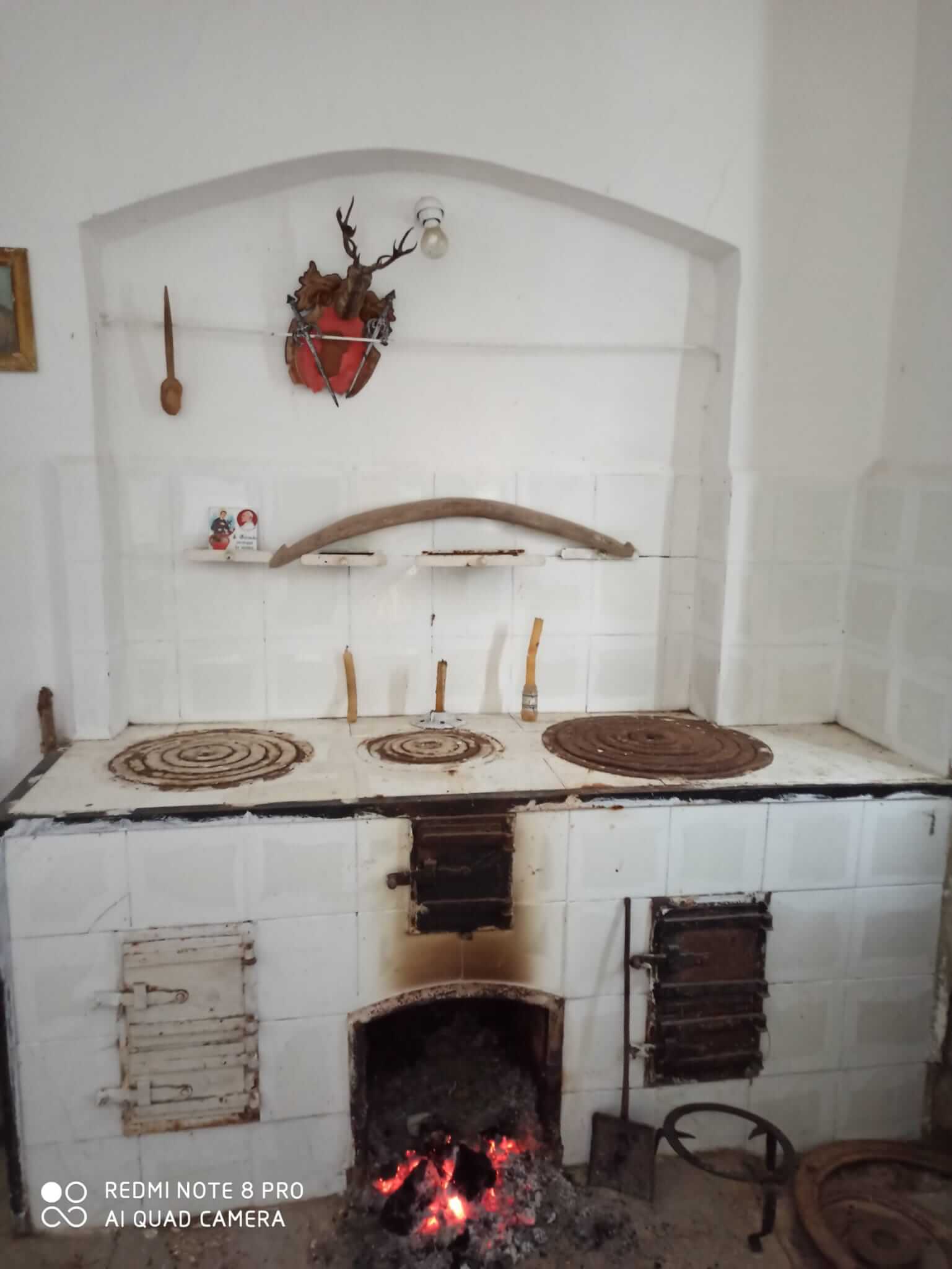
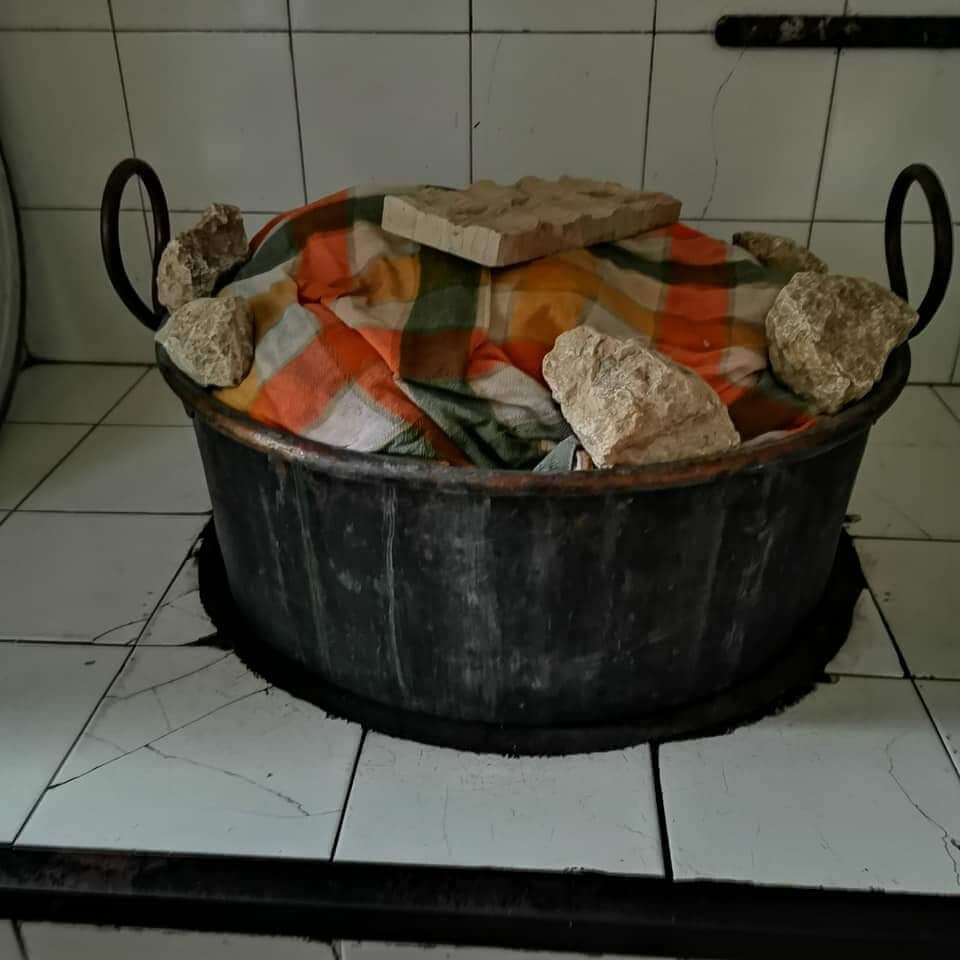
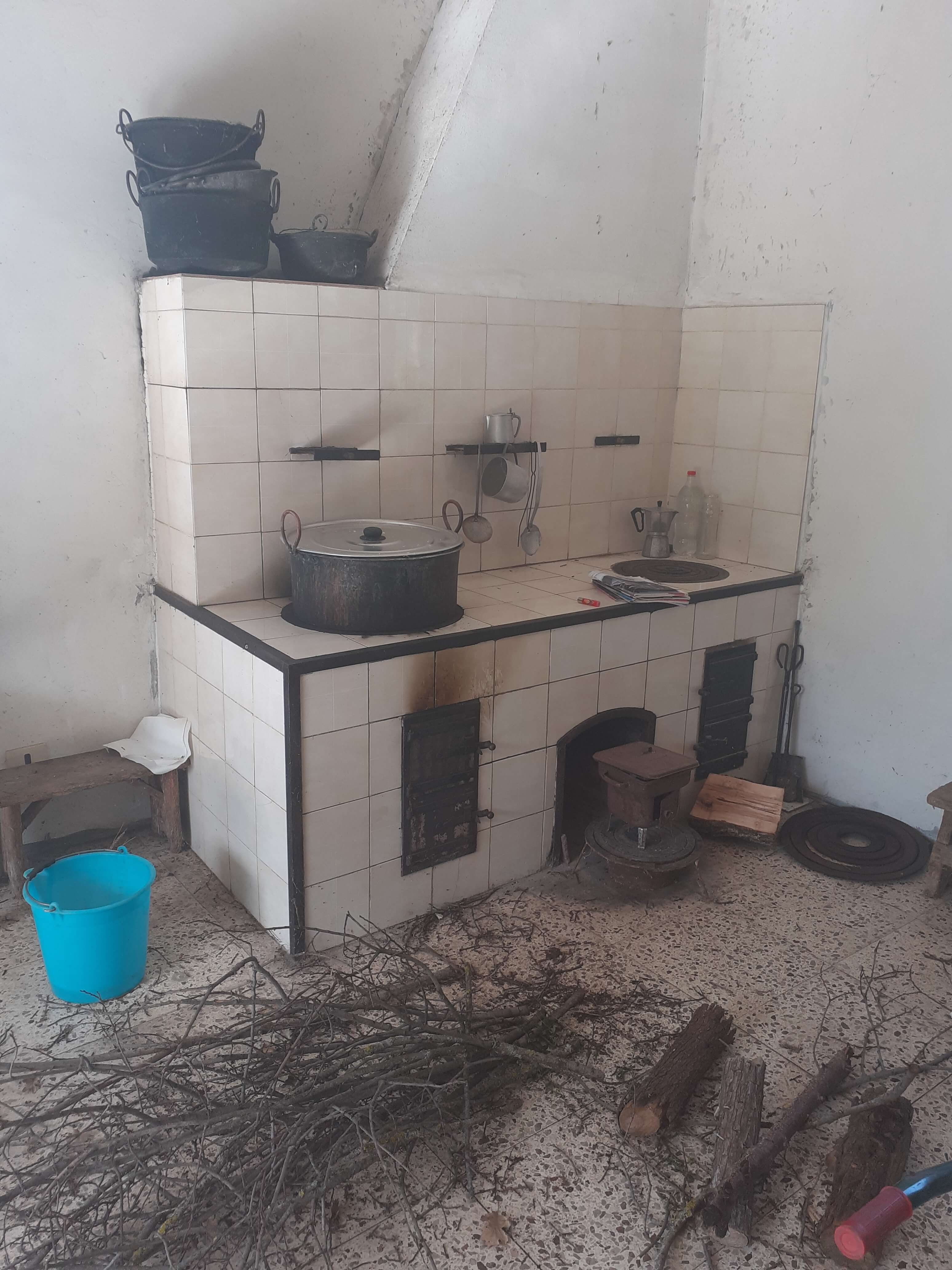
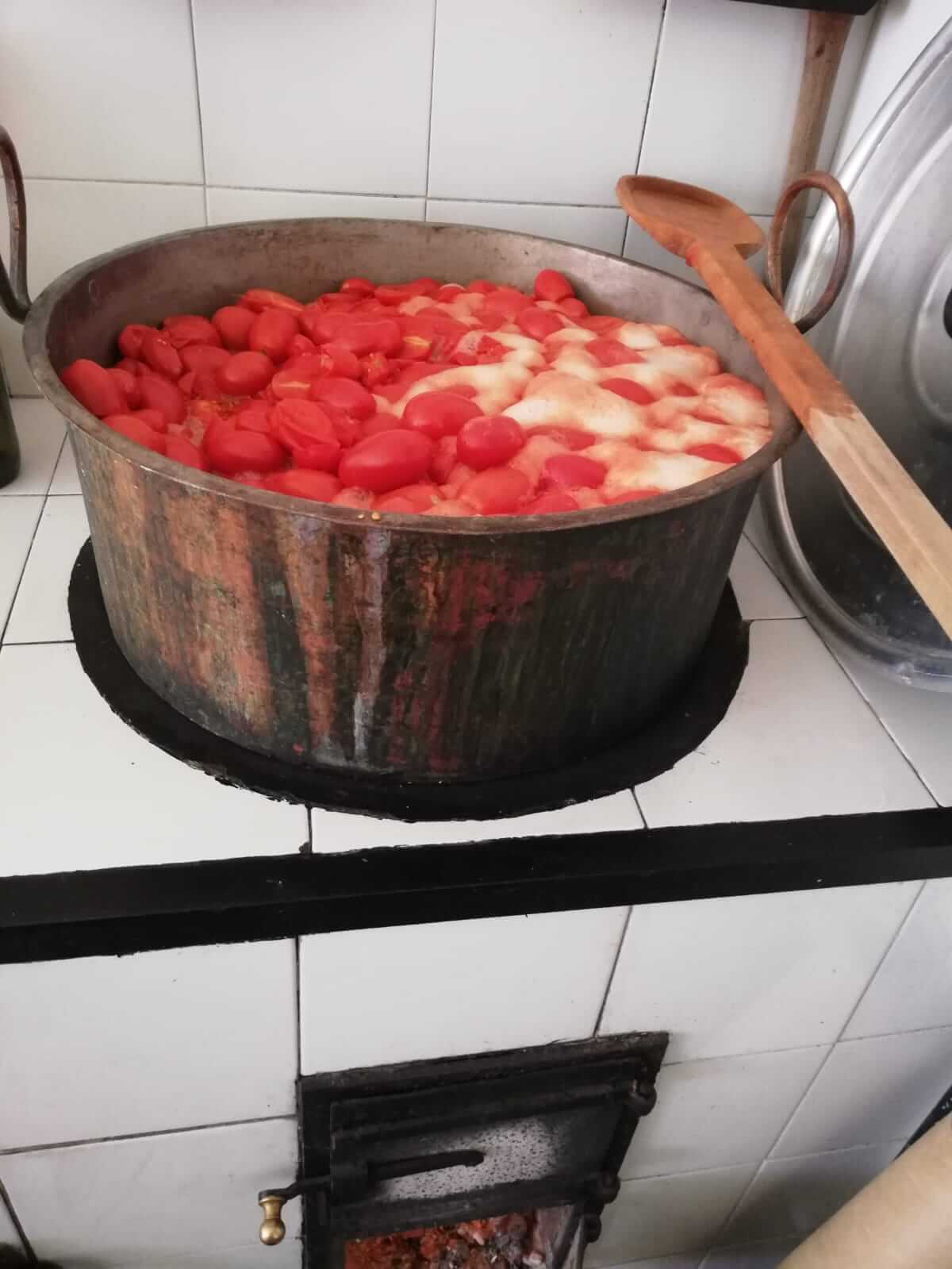

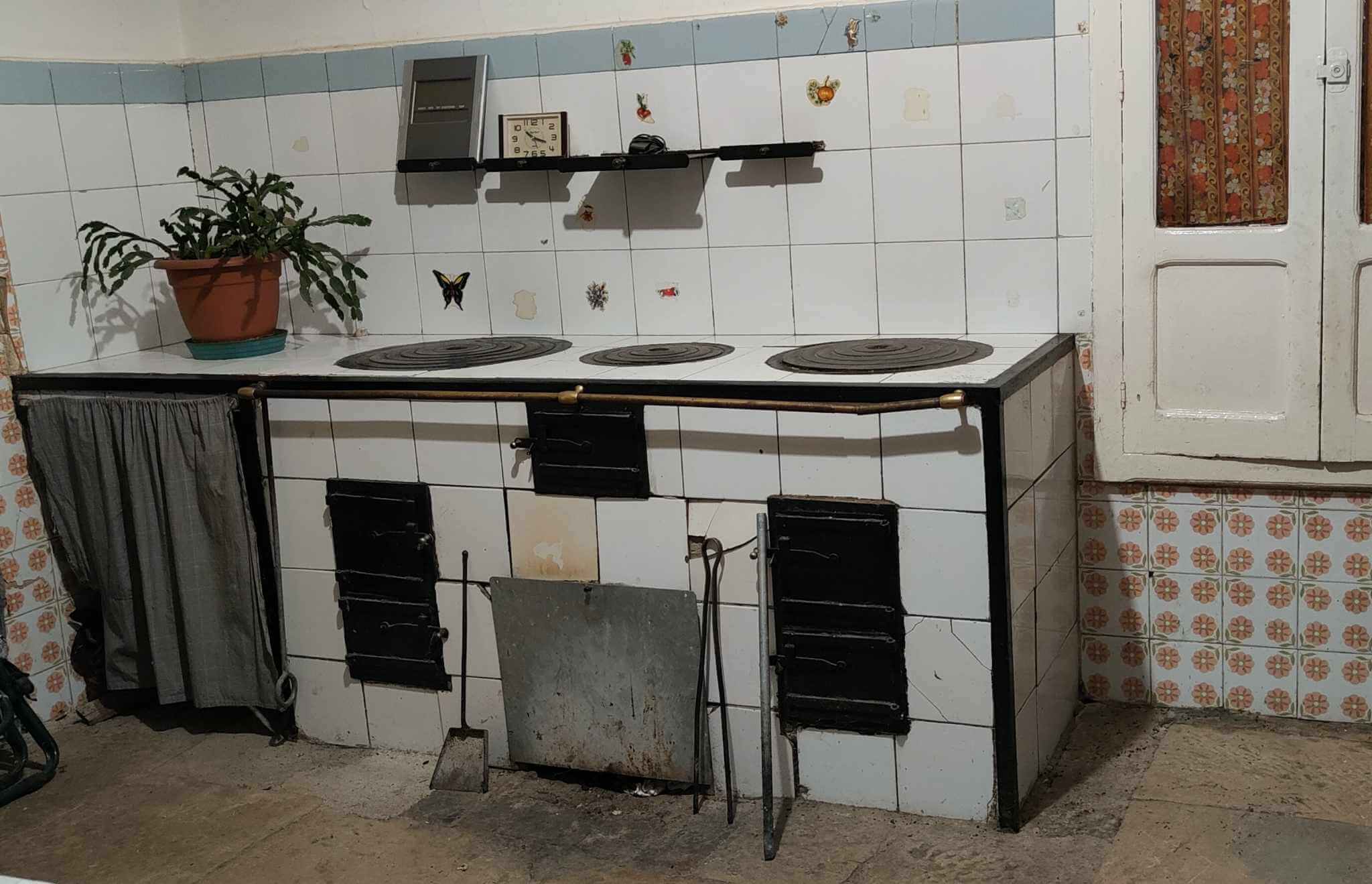
The fornacelle (small furnaces) are traditional rural kitchens made of refractory bricks covered with ceramic tiles, either plain white or decorated, used in many areas of central and southern Italy until the spread of gas. In Oscata, the abandonment of many rural houses, combined with the careful preservation of some local homes, has contributed to their survival and continued use. The upper shelf contains one or more cavities to hold cauldrons (large copper pots, called callara in the local dialect) of various sizes, supported by a system of concentric iron rings of different diameters, stacked one above the other. This allows flames to surround any pot, heating not only the bottom but also the side walls, all enclosed in a heated chamber with a door. The chimneys are regulated with a system of vents and flaps that partially or completely control the heat escape.
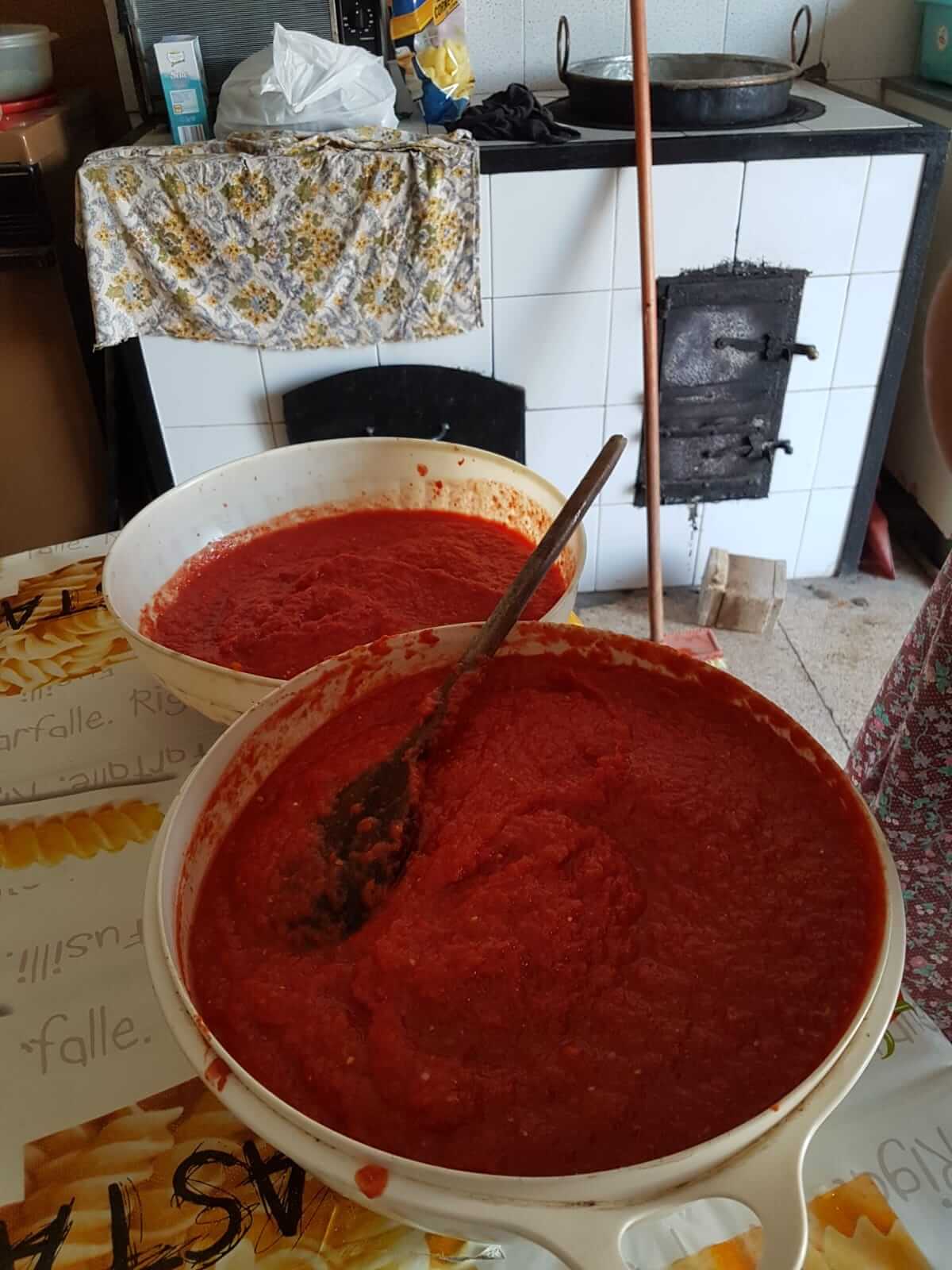
The fornacelle are still present and can be visited both indoors and outdoors. Several are located in private homes, still in use and made available to Oscata inVita volunteers during organized events. During traditional festivals, they are used to cook migliazzo (cornmeal), vino cotto (cooked wine) served with quinces as a dessert, ears of corn, and, in a more innovative way, local residents use them to cook tomatoes for the classic "sauza" (sauce) to preserve for winter. Additionally, fornacelle remain in many abandoned houses now inaccessible, for which Oscata inVita plans a recovery project. One fornacella is located in the "Shepherd's House", an old private home made available to Oscata inVita, still intact and well-maintained, used for demonstration and educational purposes. Other fornacelle are present in abandoned houses in the complex of Michele Panno's house, author of the book "Infanzia del Borgo".
The fornacella is one of the most characteristic elements of ancient Apennine rural houses, where the fire provided not only cooking but also light and heating for the entire home, often consisting of a single room where bed, kitchen, and dining table were never far apart. The fornacella also served as the household's gathering center, where the family would meet to share stories, work together, and continue crafting — making baskets, collars, clothing, and wedding trousseaus for daughters right in front of the fire (nand'a la furnedd'). The fornacelle form the heart of the Rural Kitchens of Alta Irpinia.