
Rural architecture
Tangible heritage
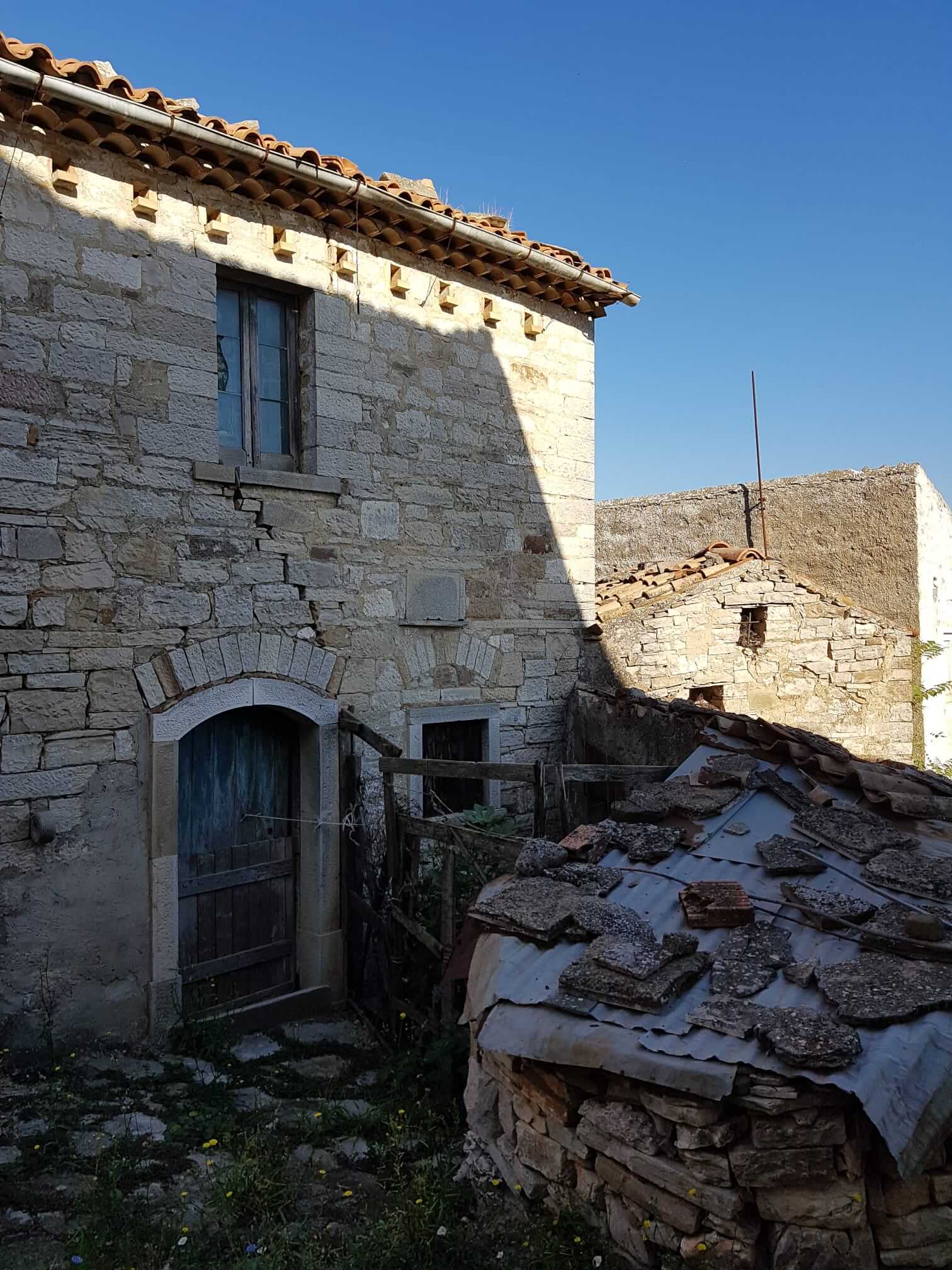
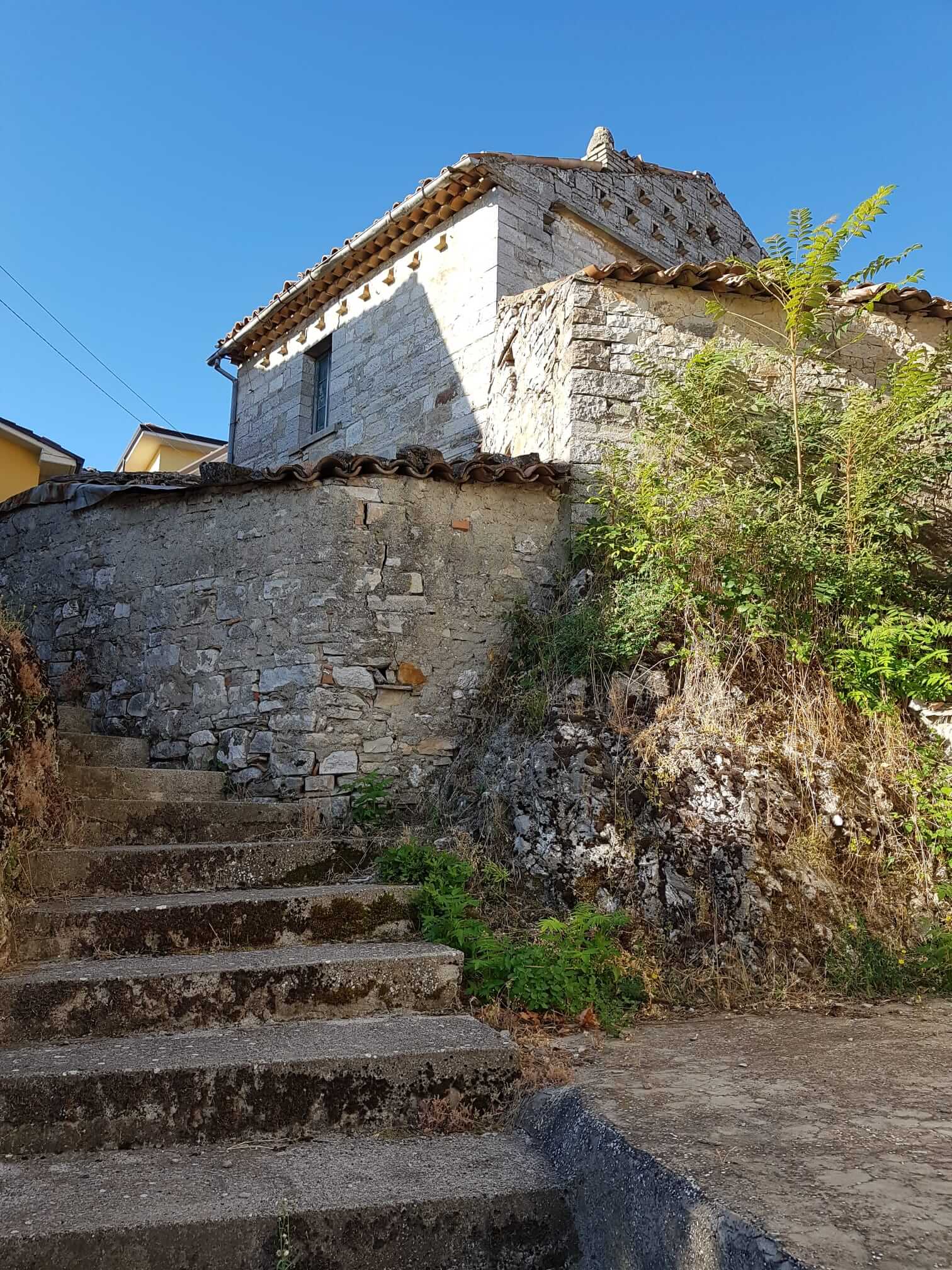
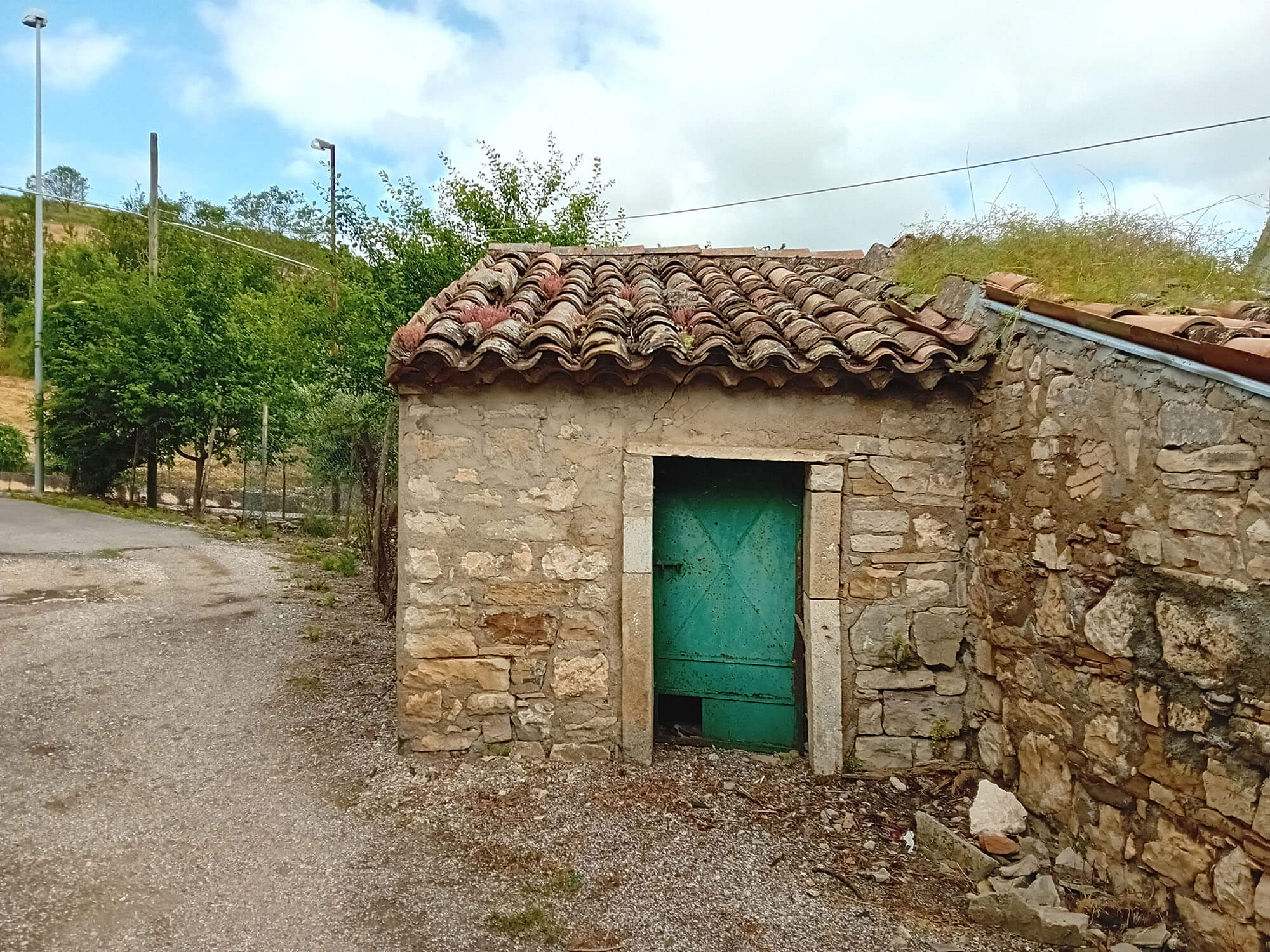
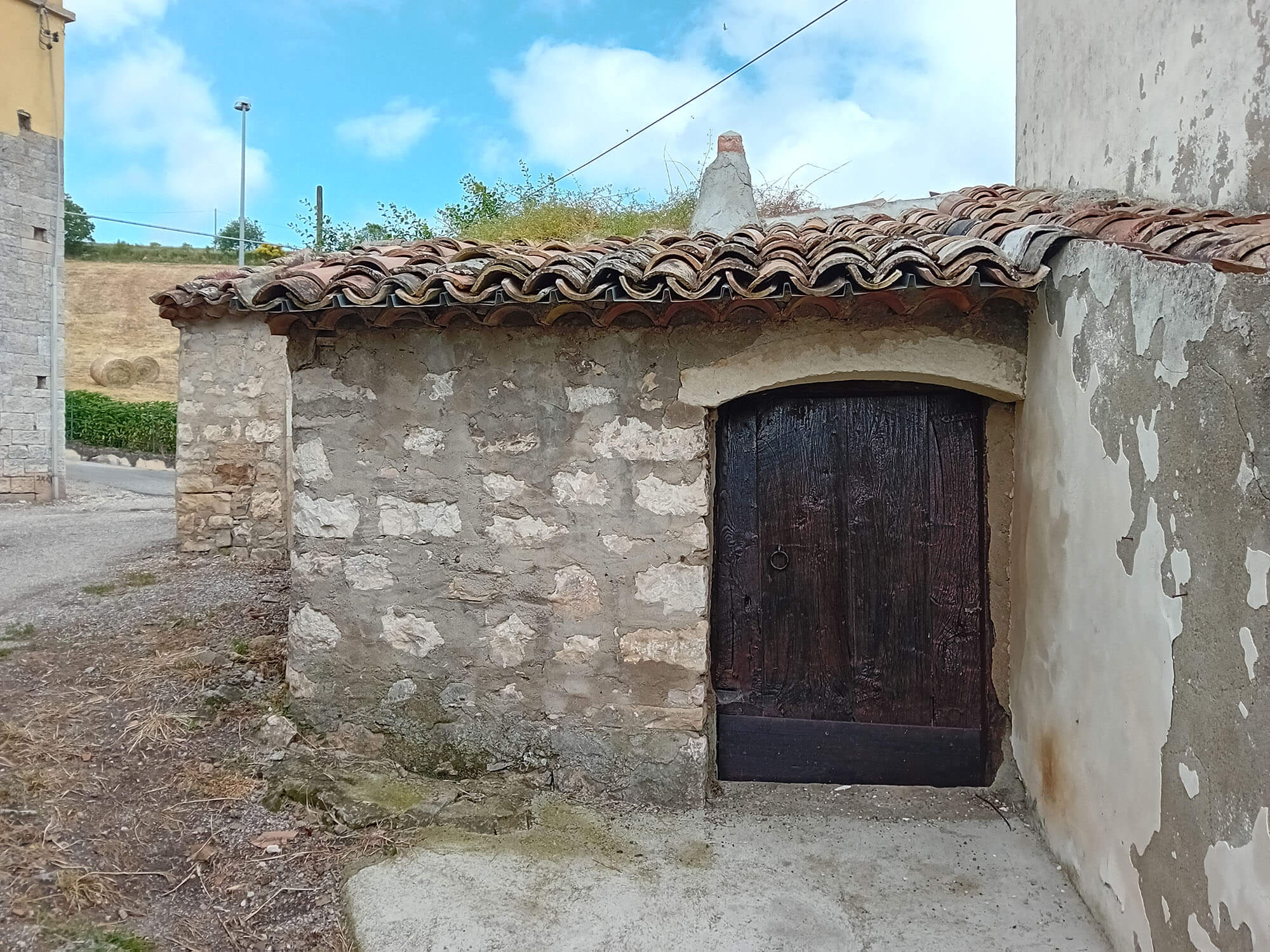
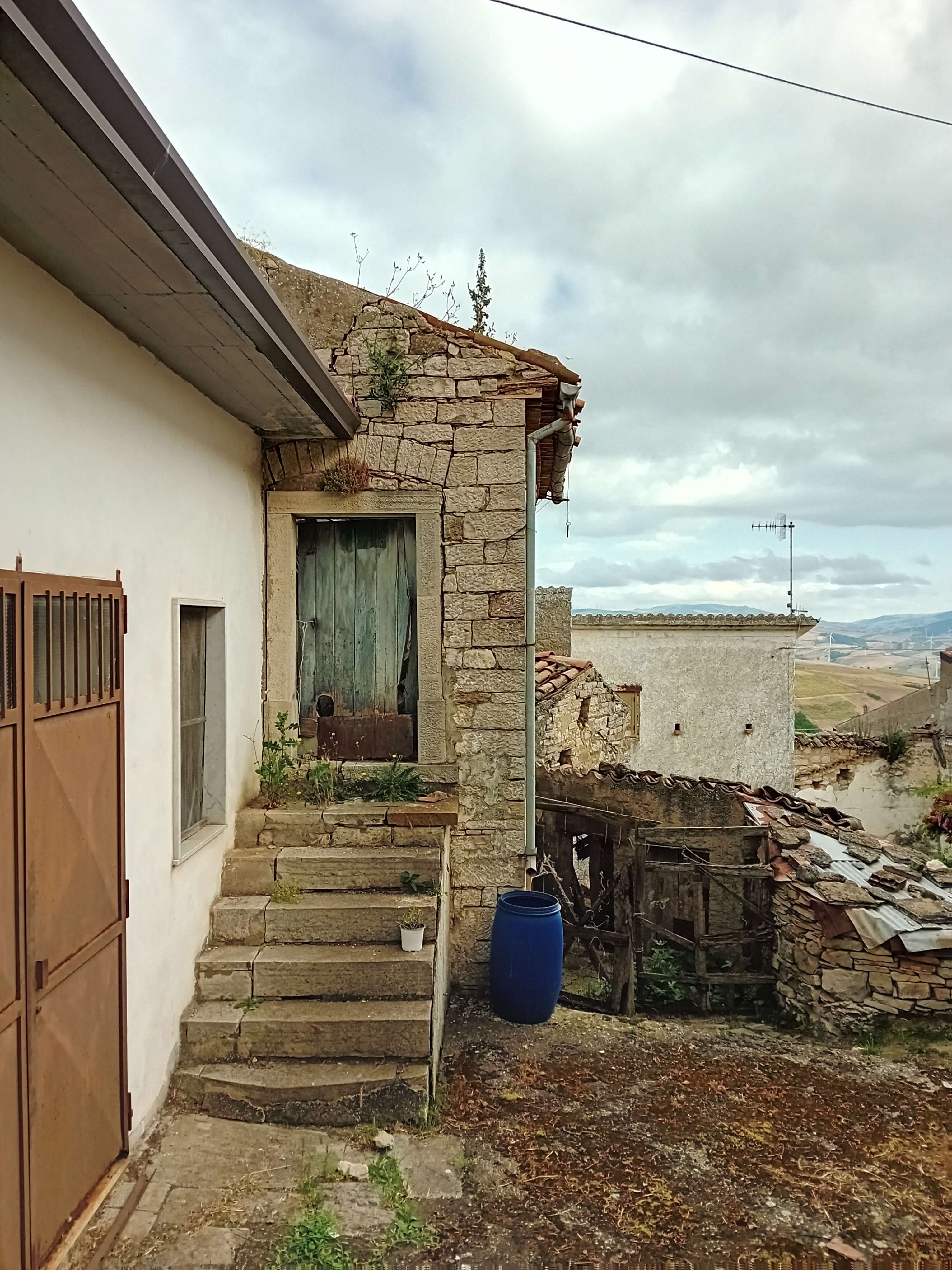
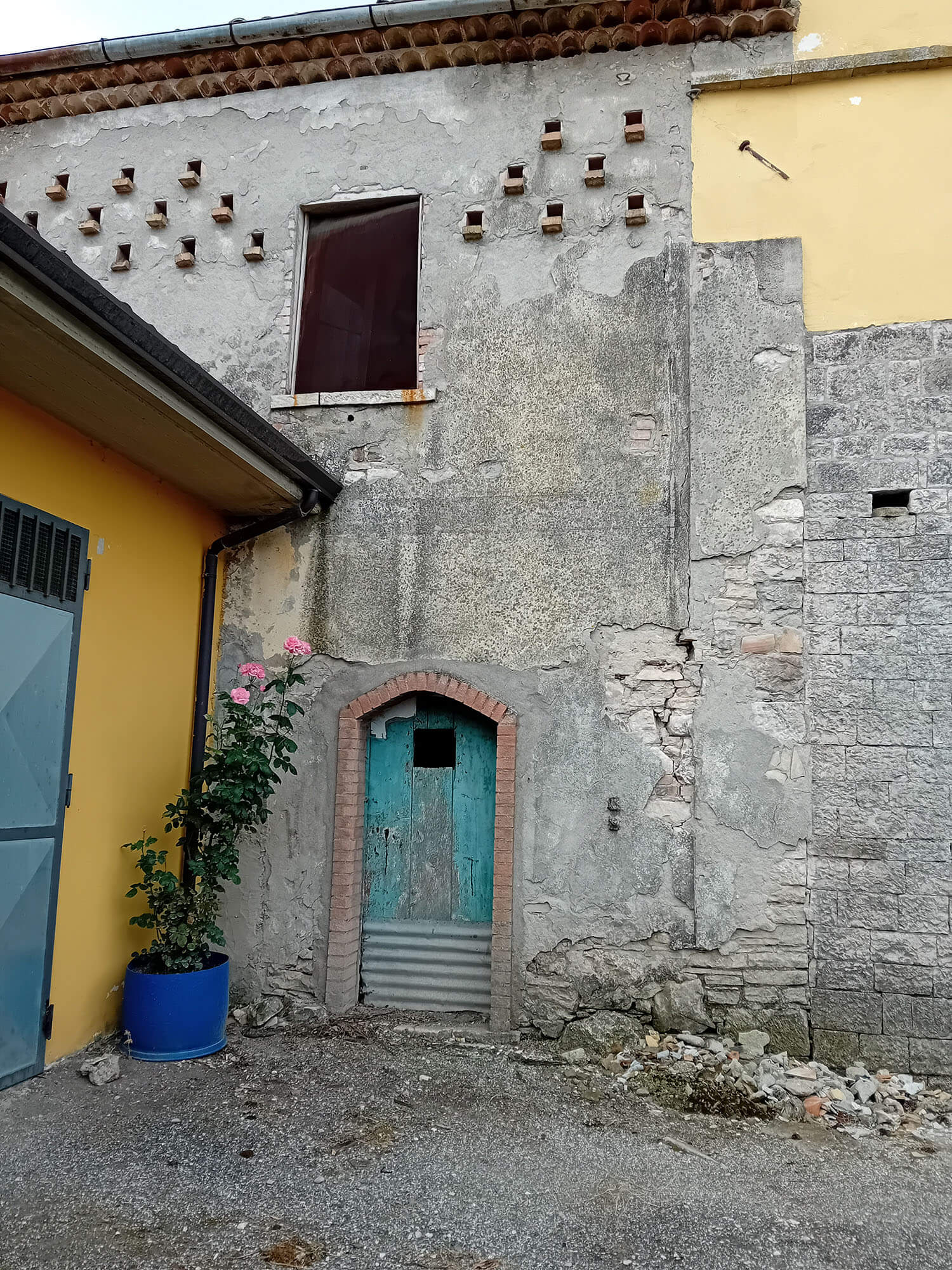
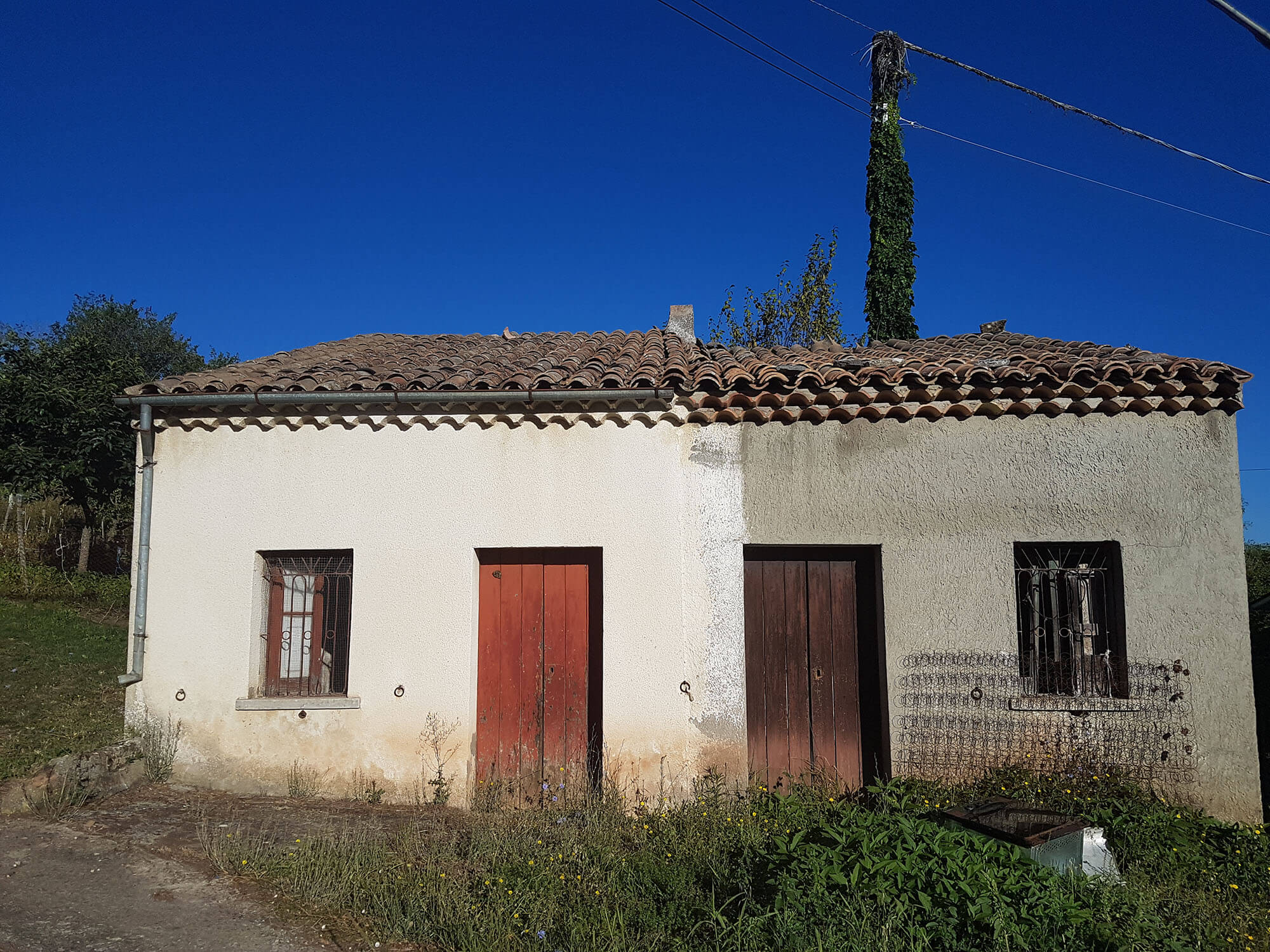
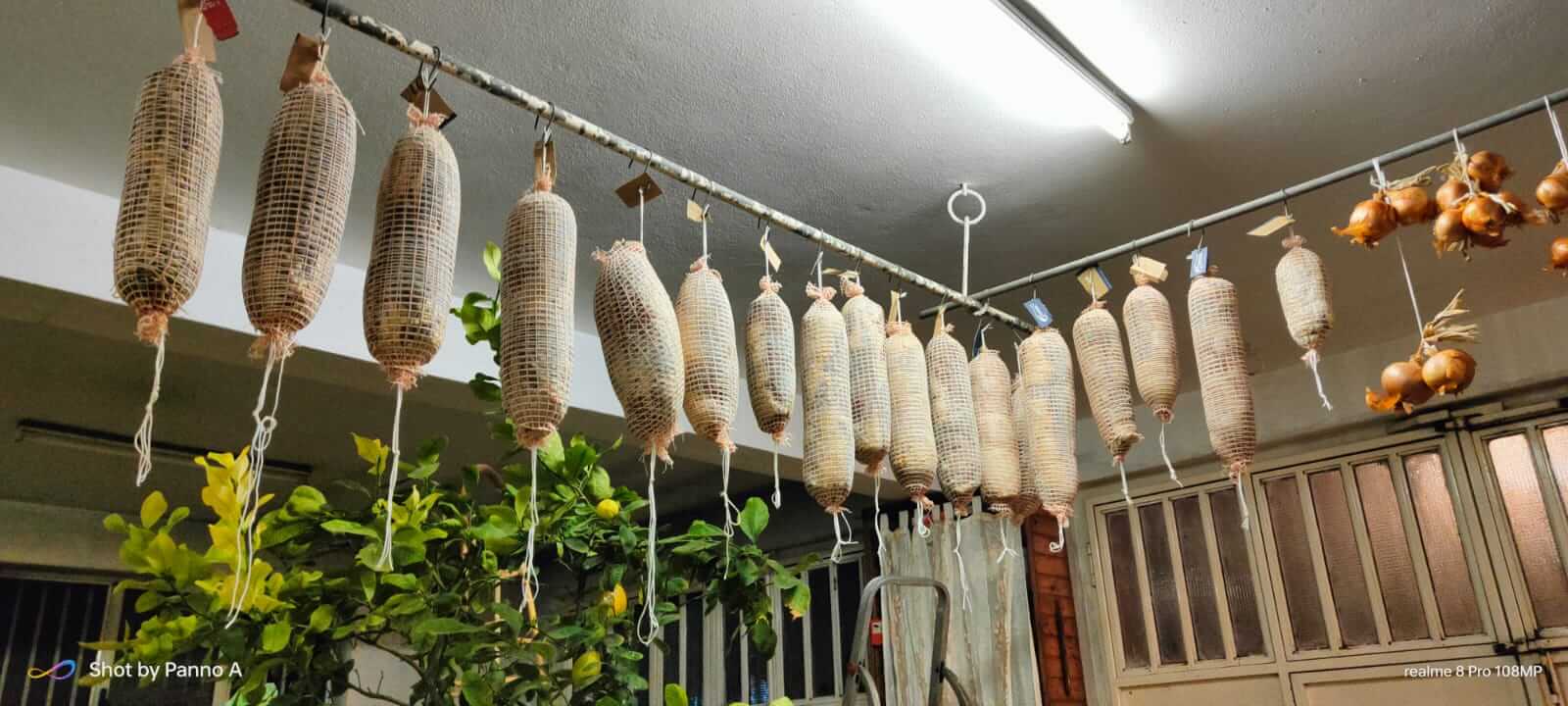


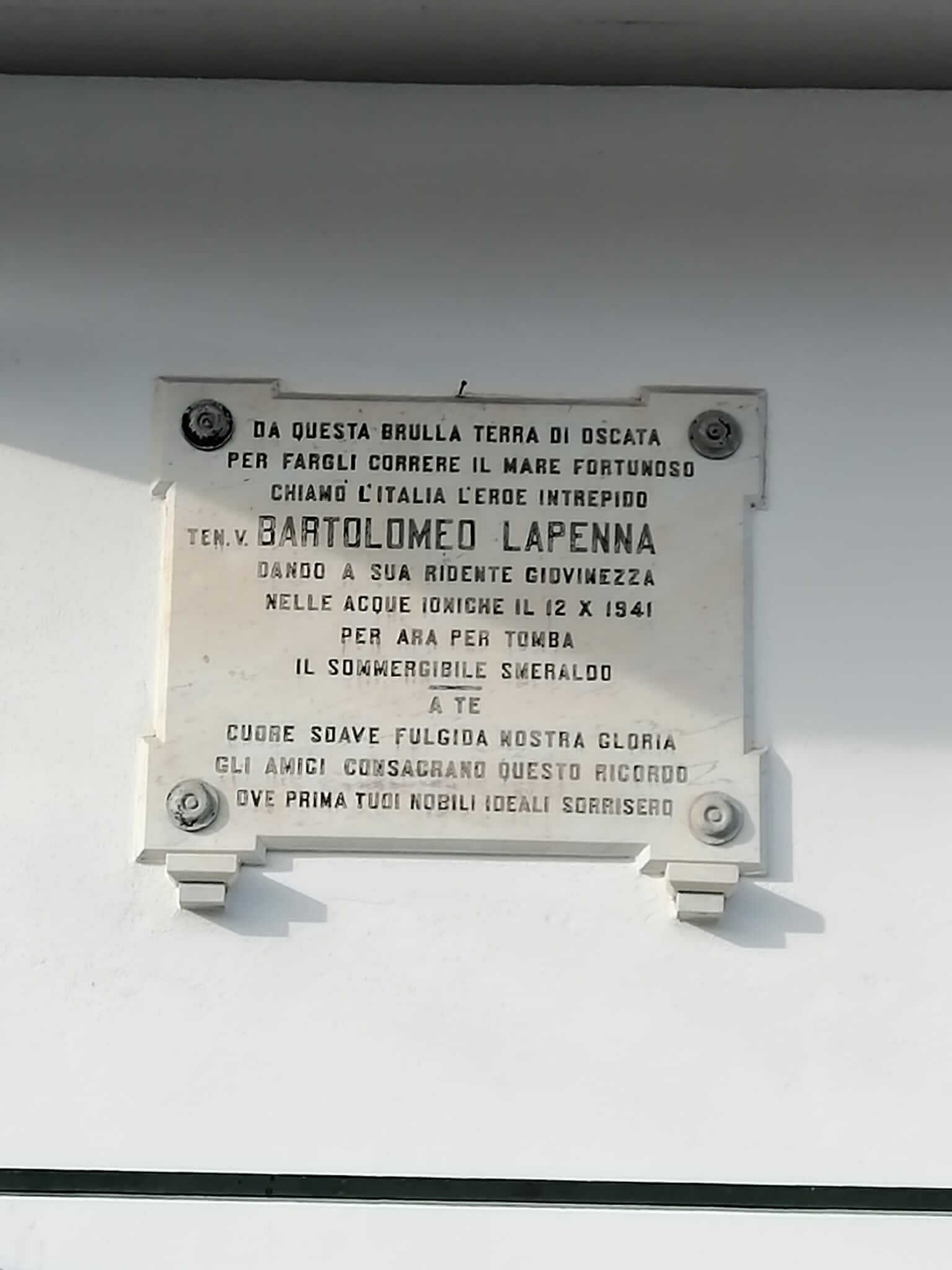
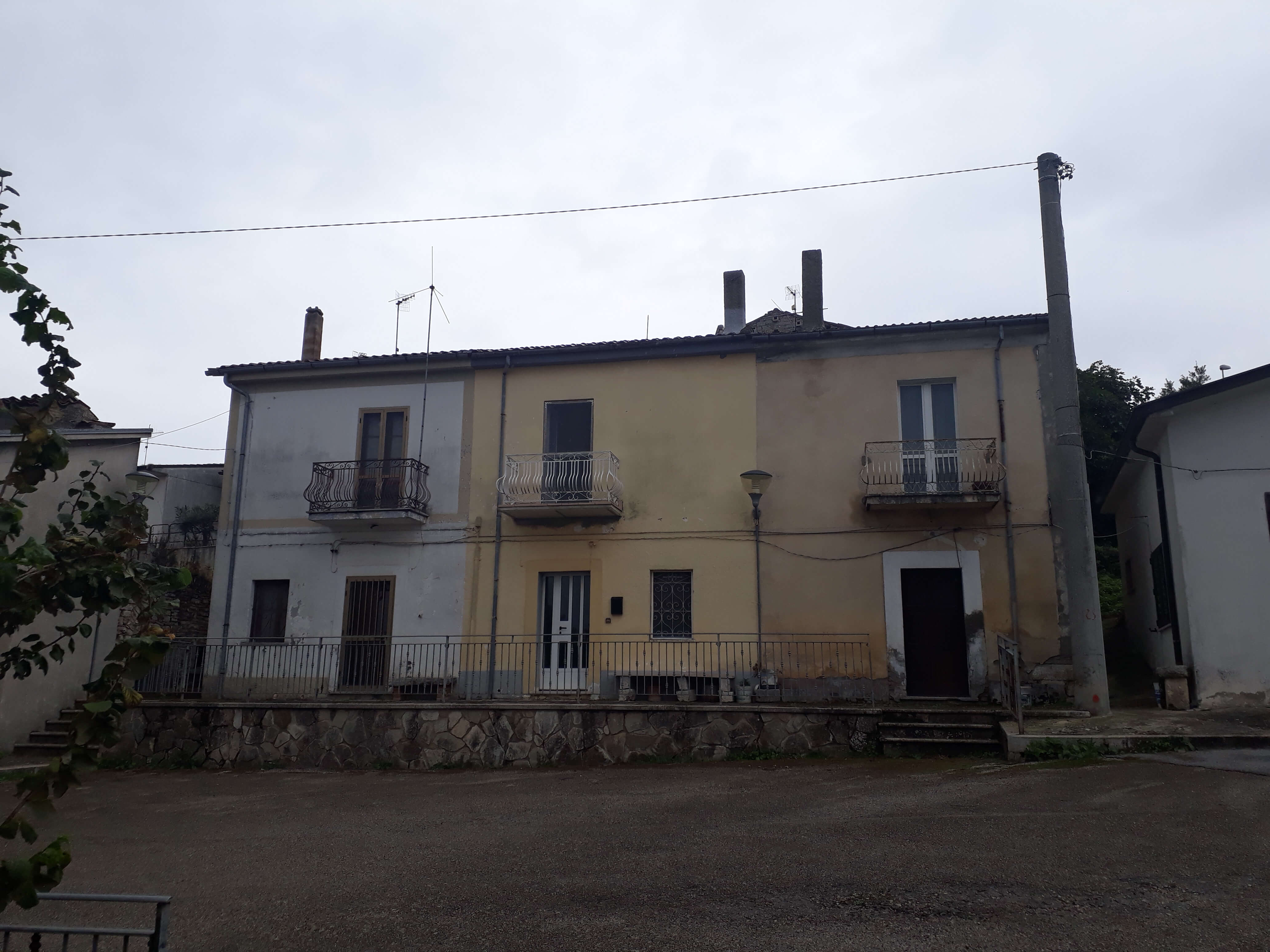
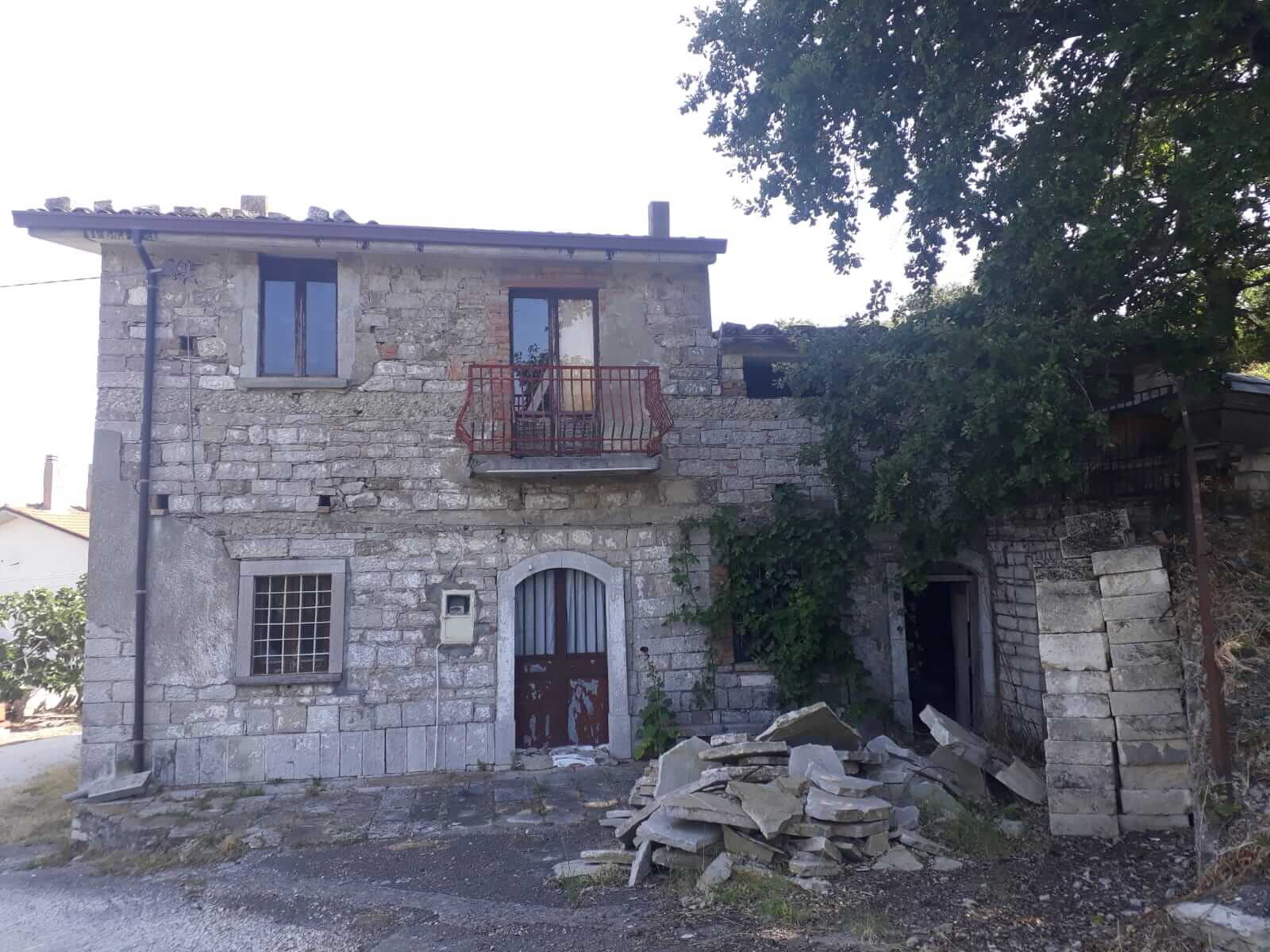
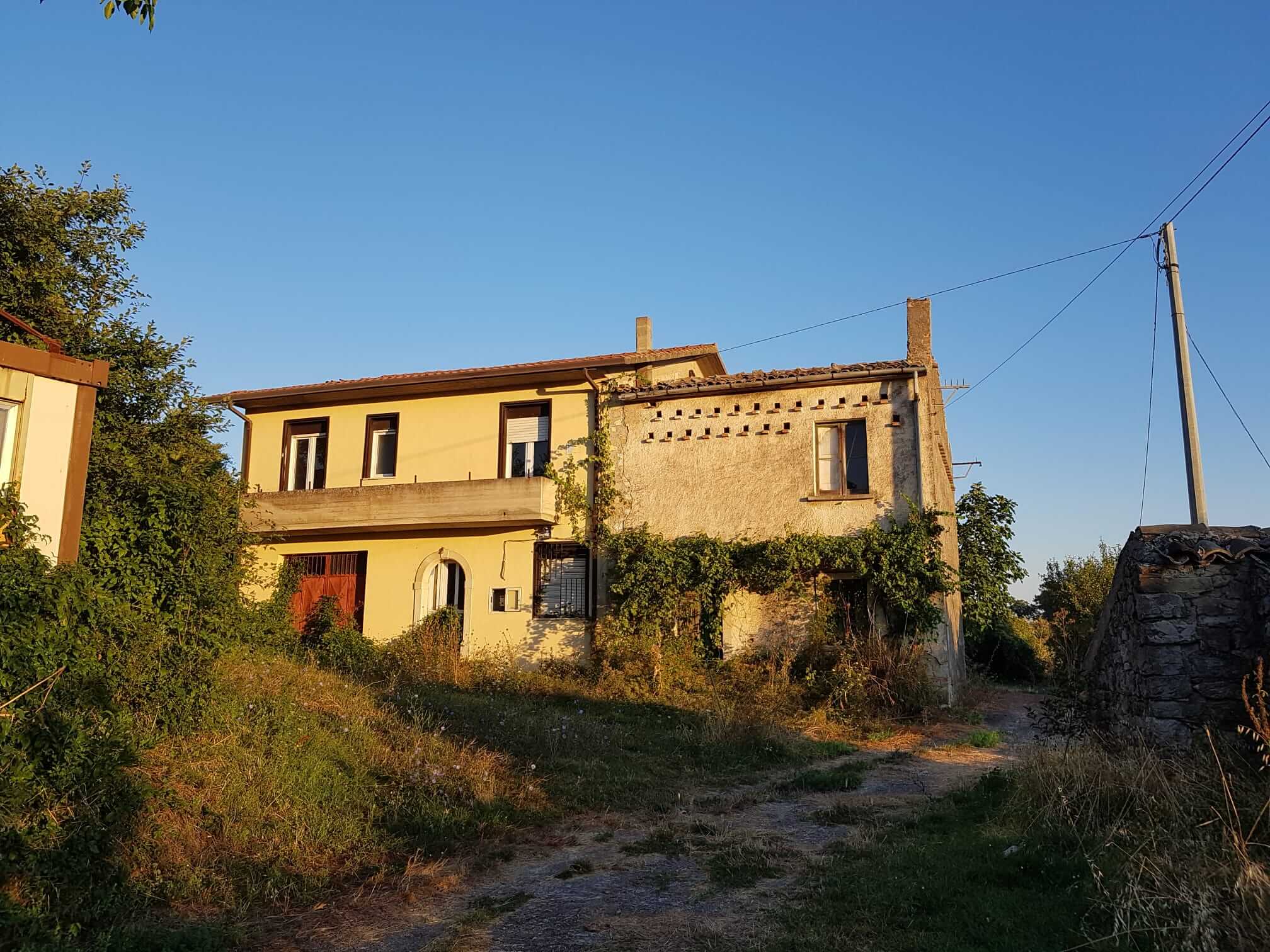
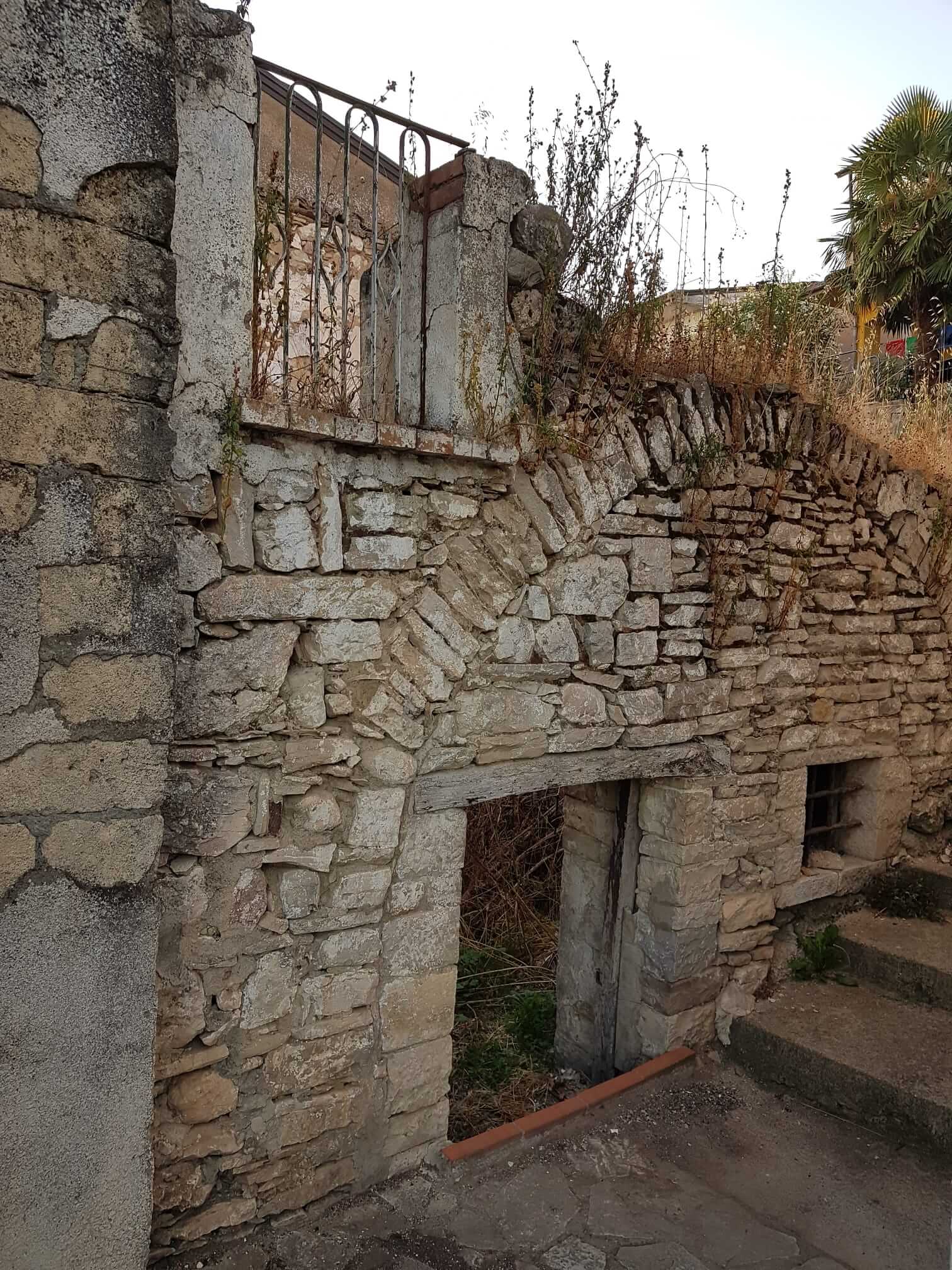
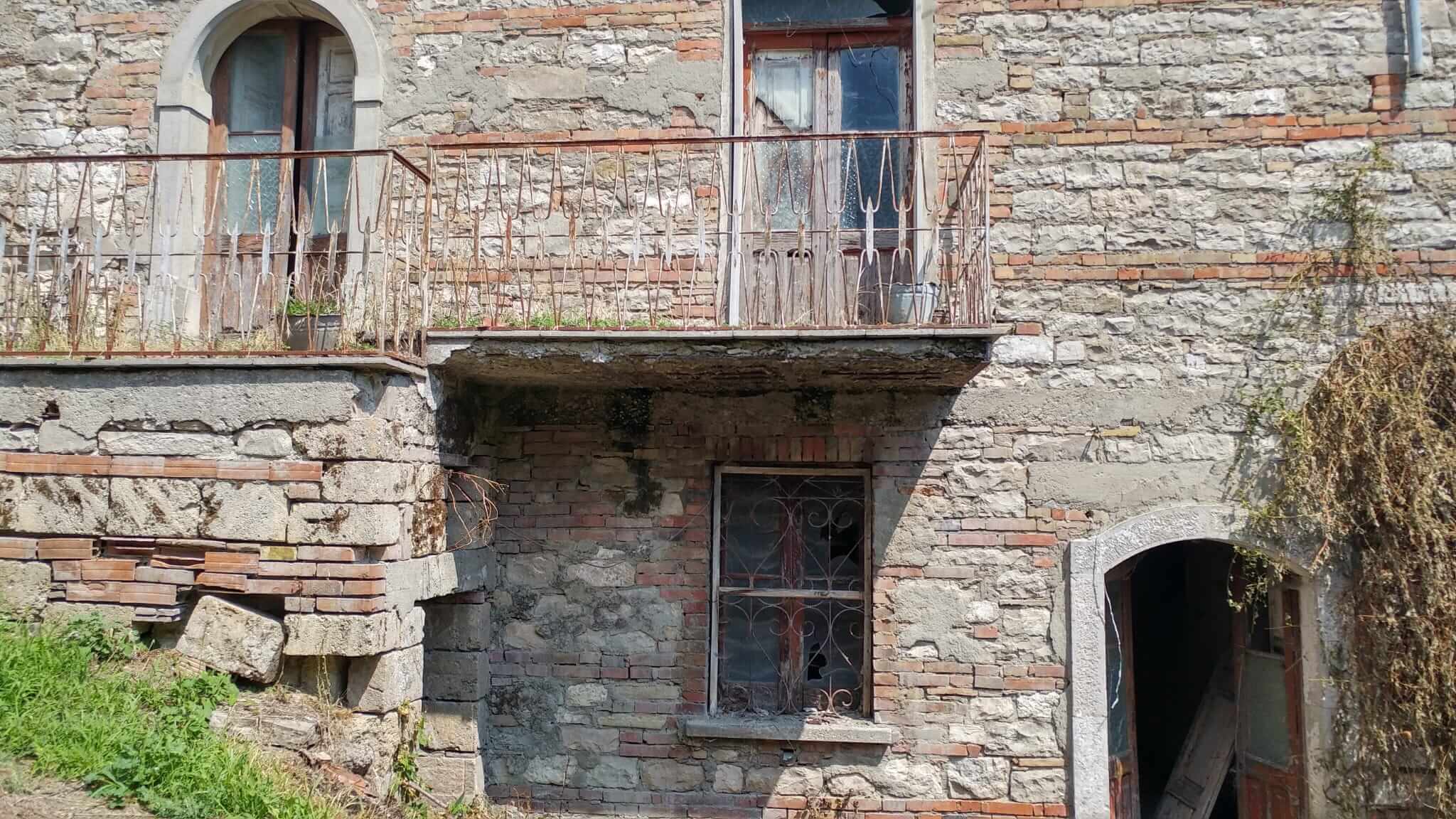
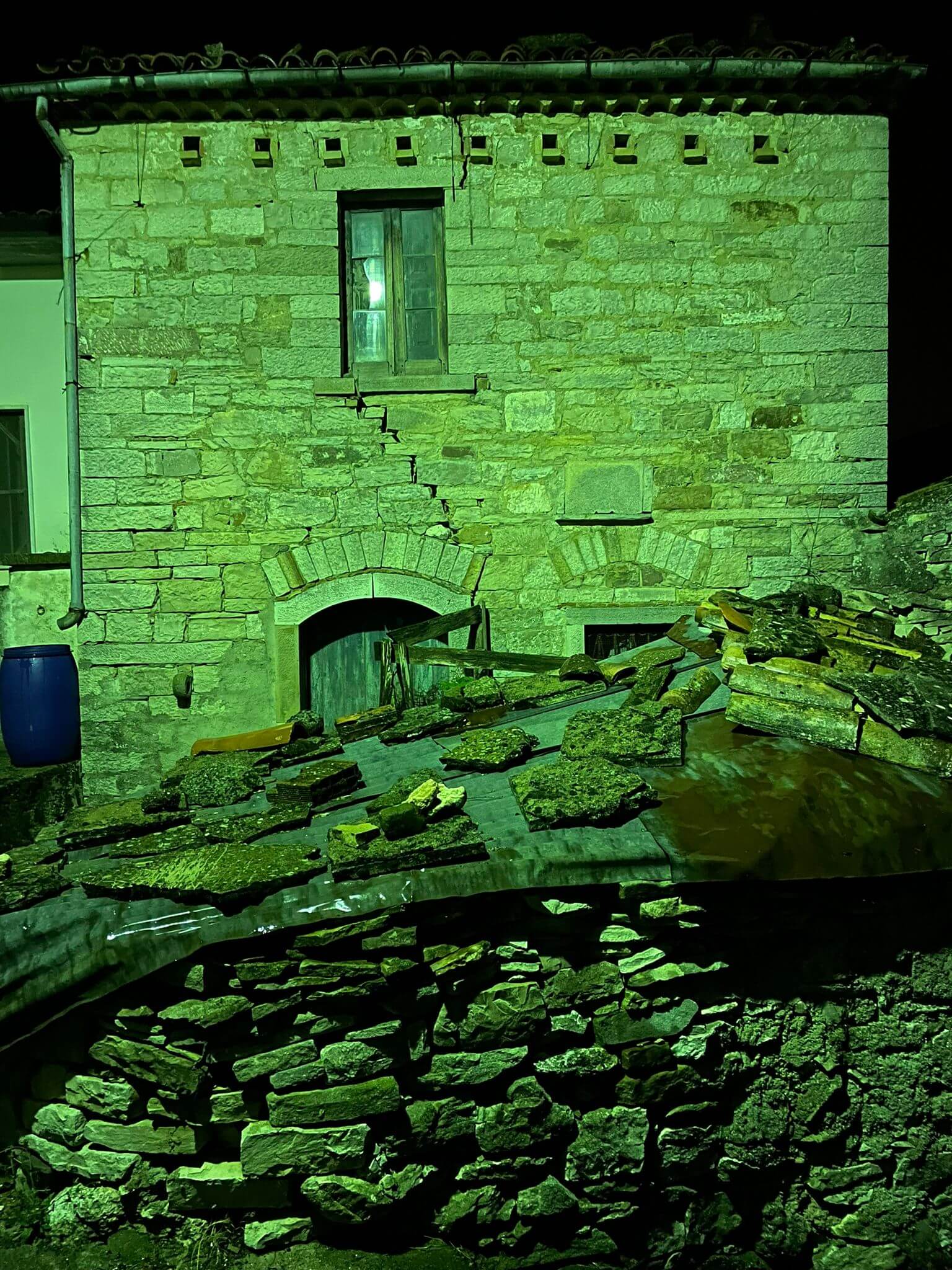
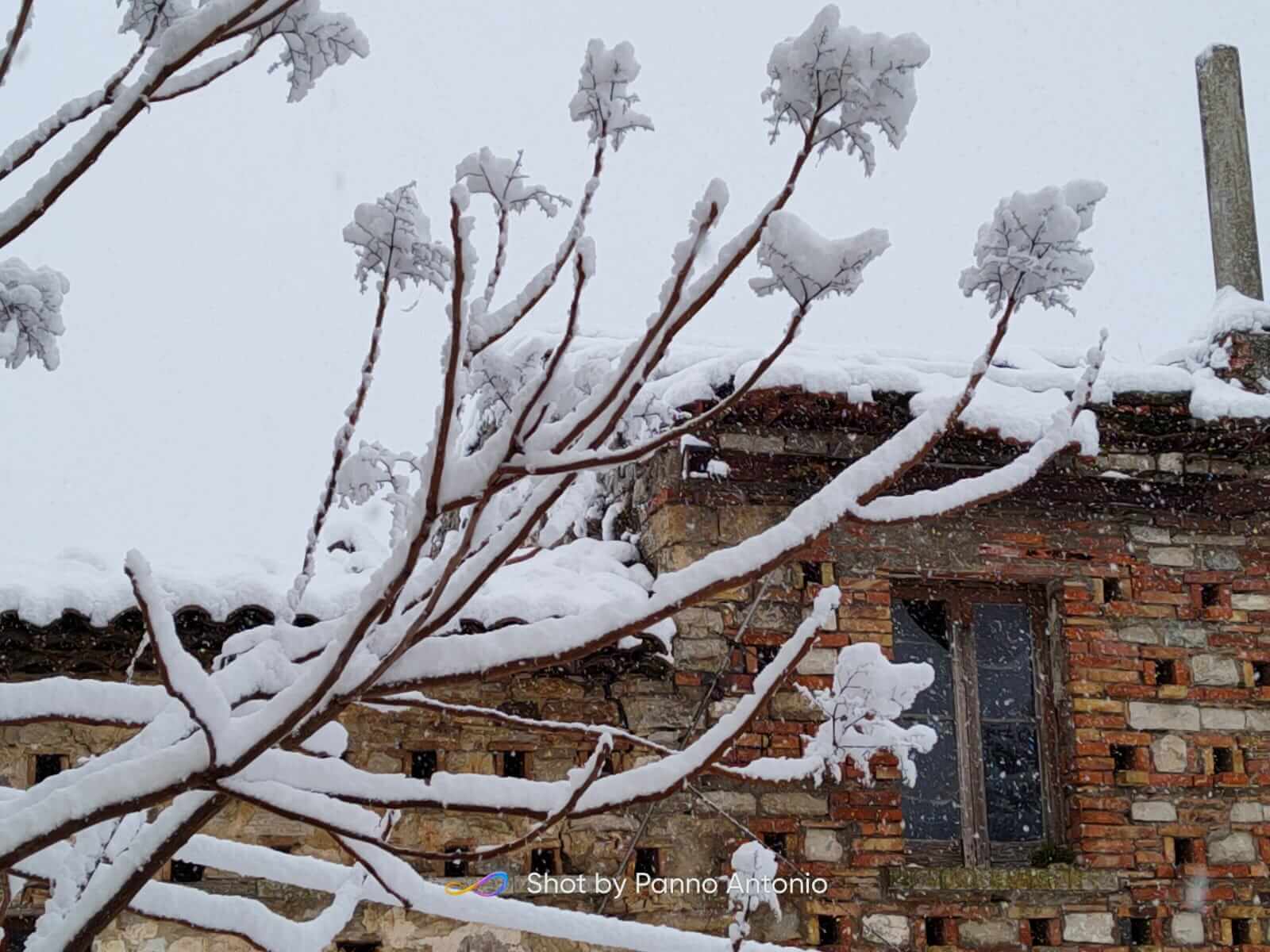
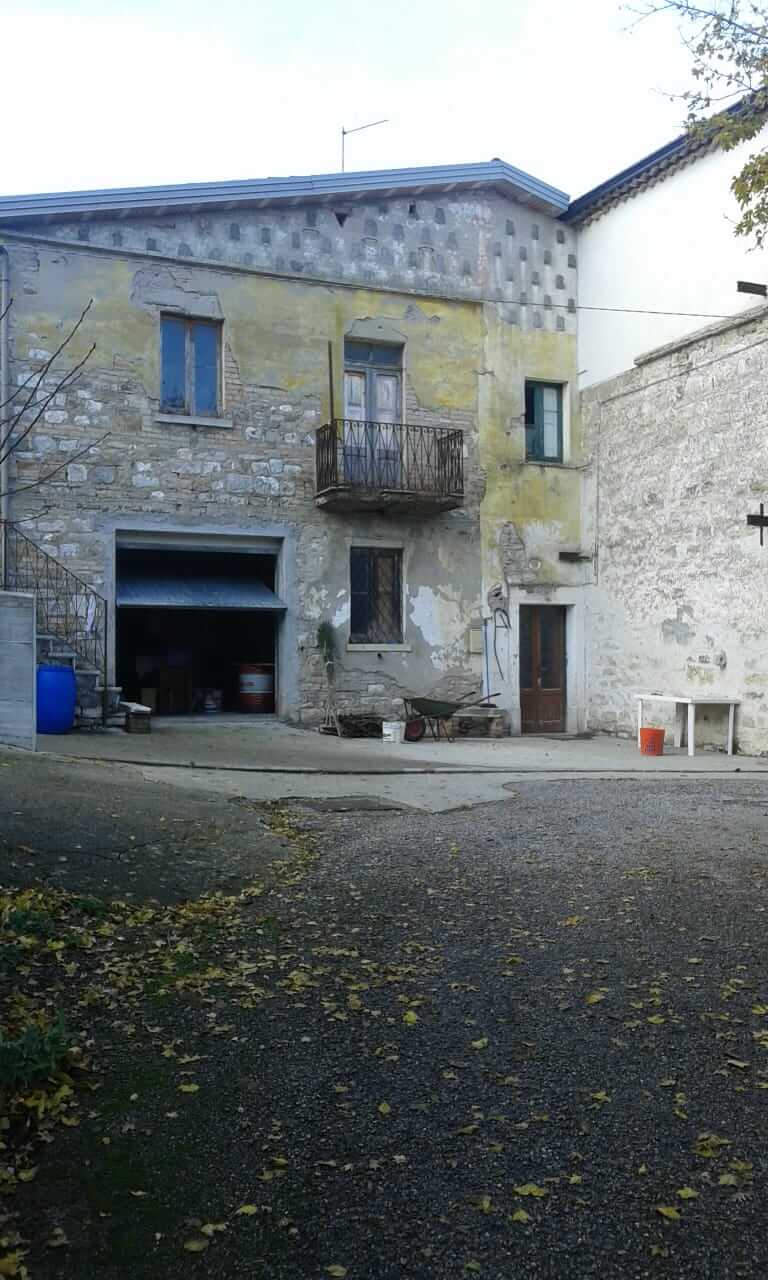
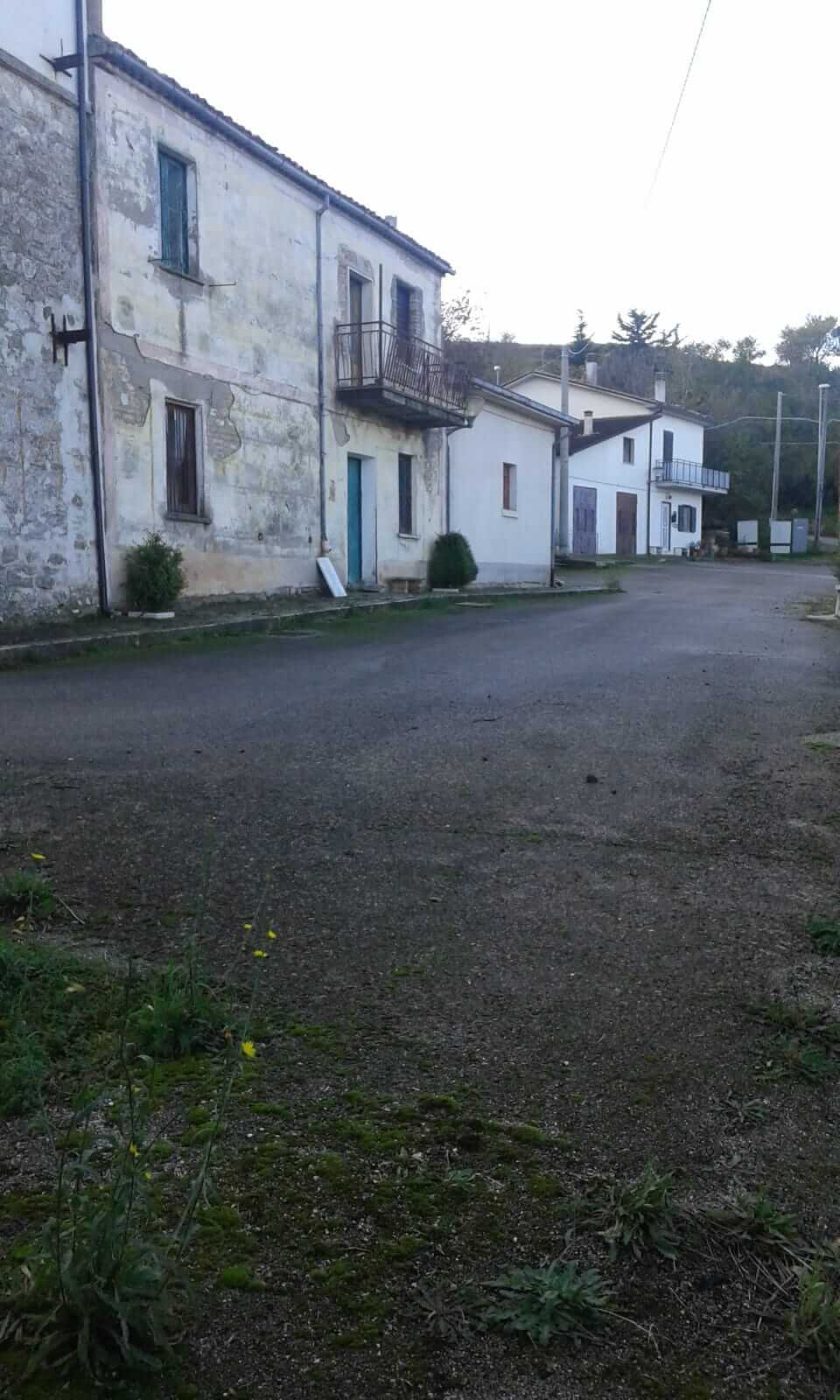
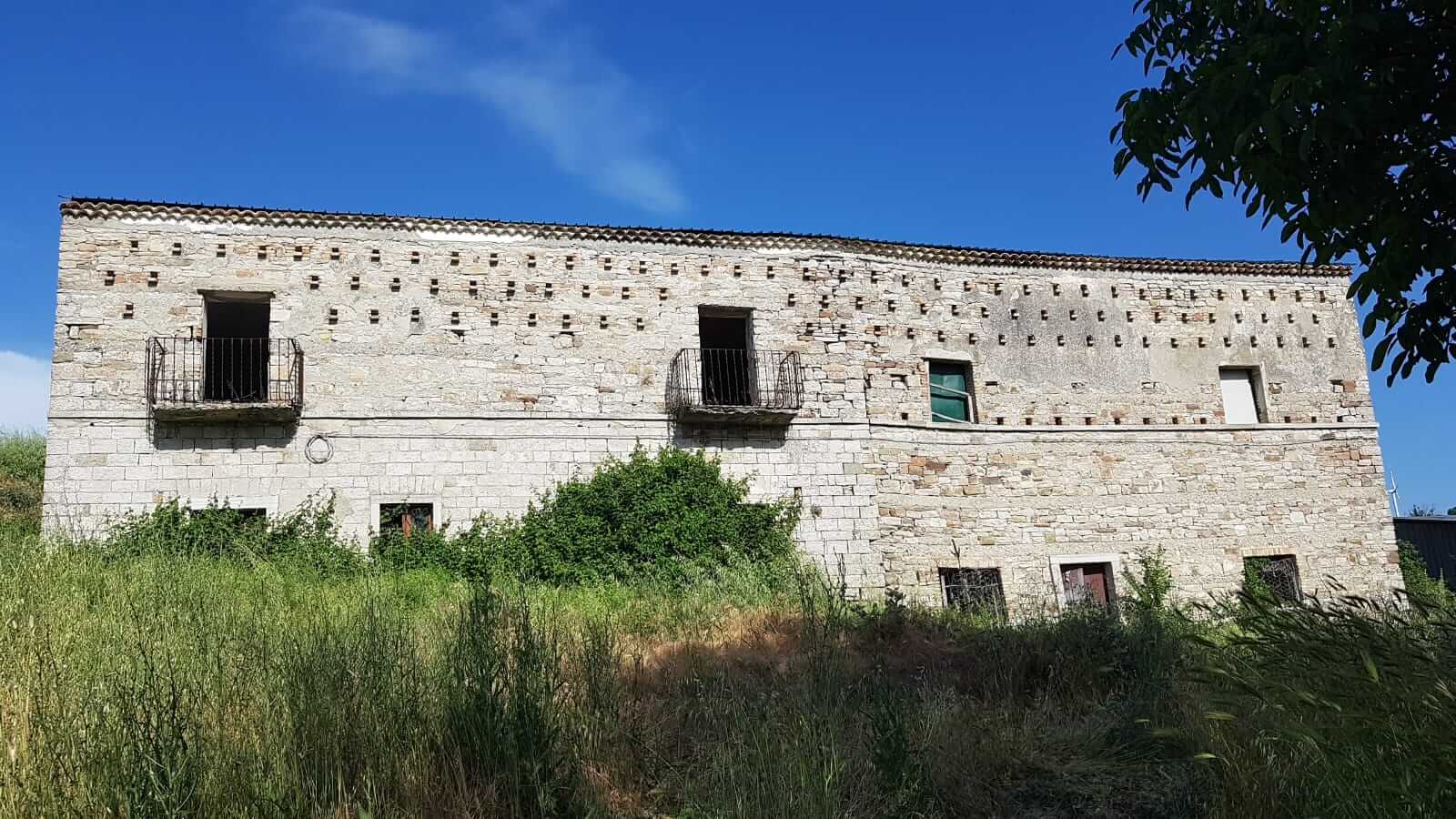
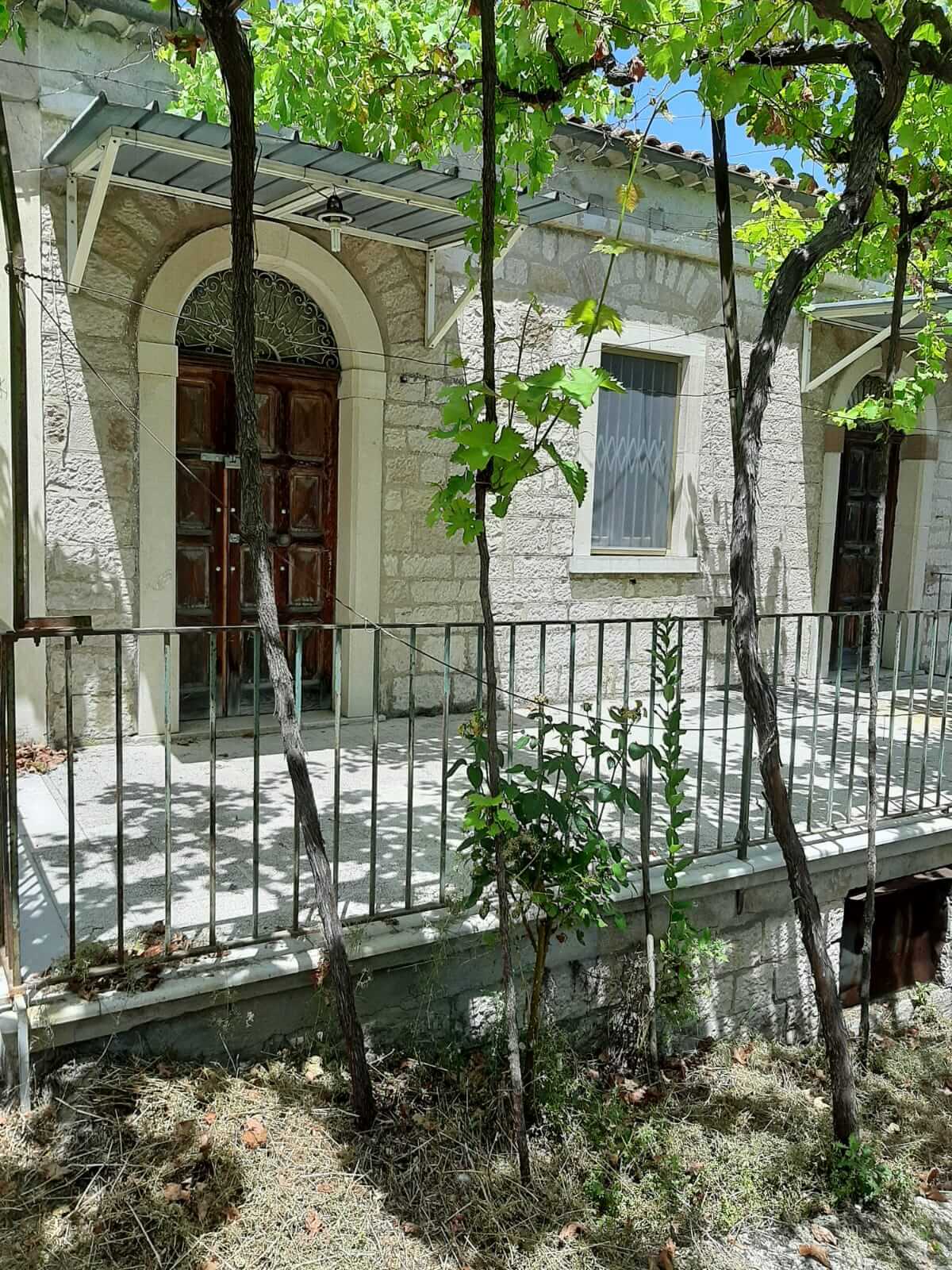
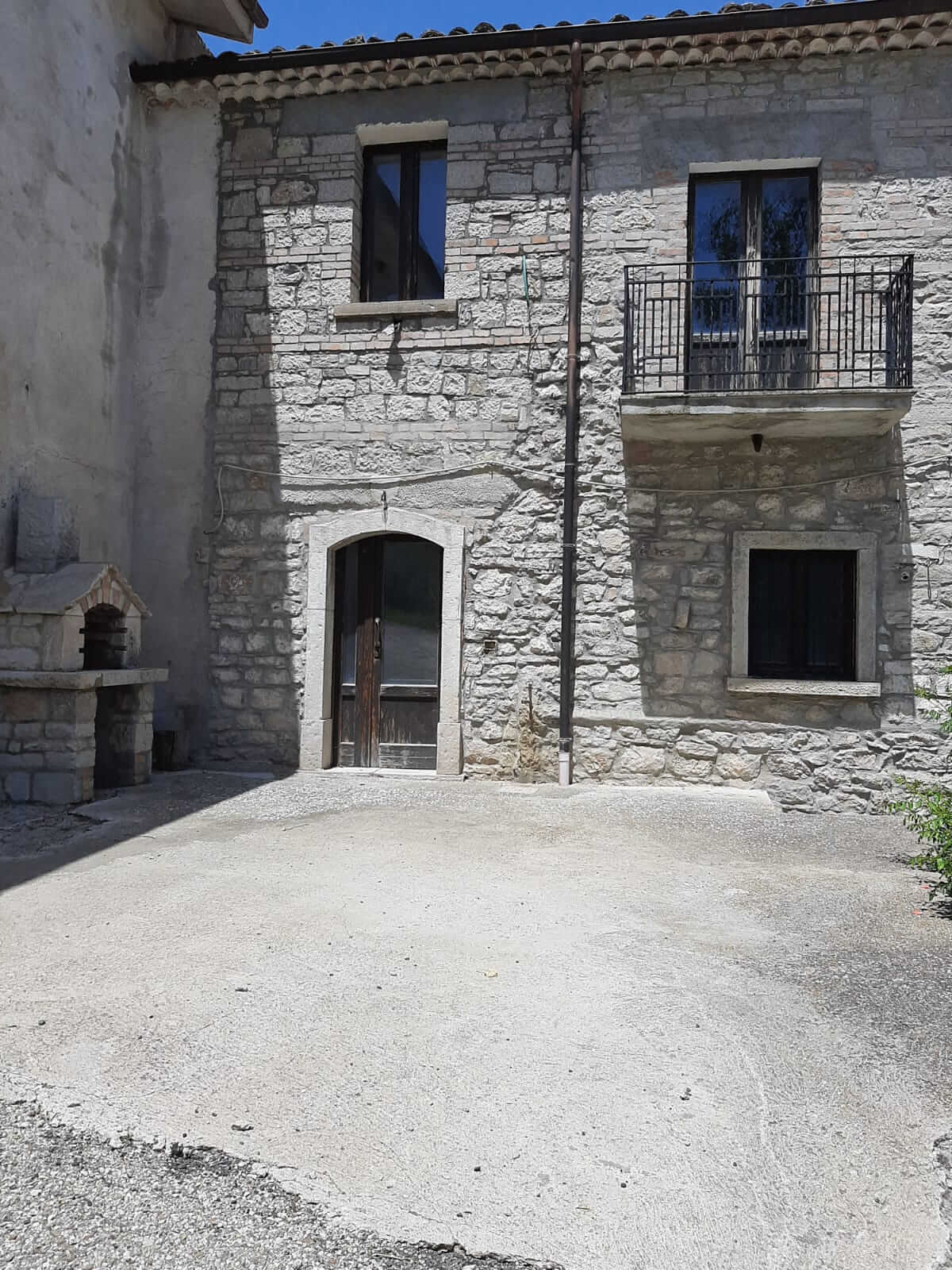
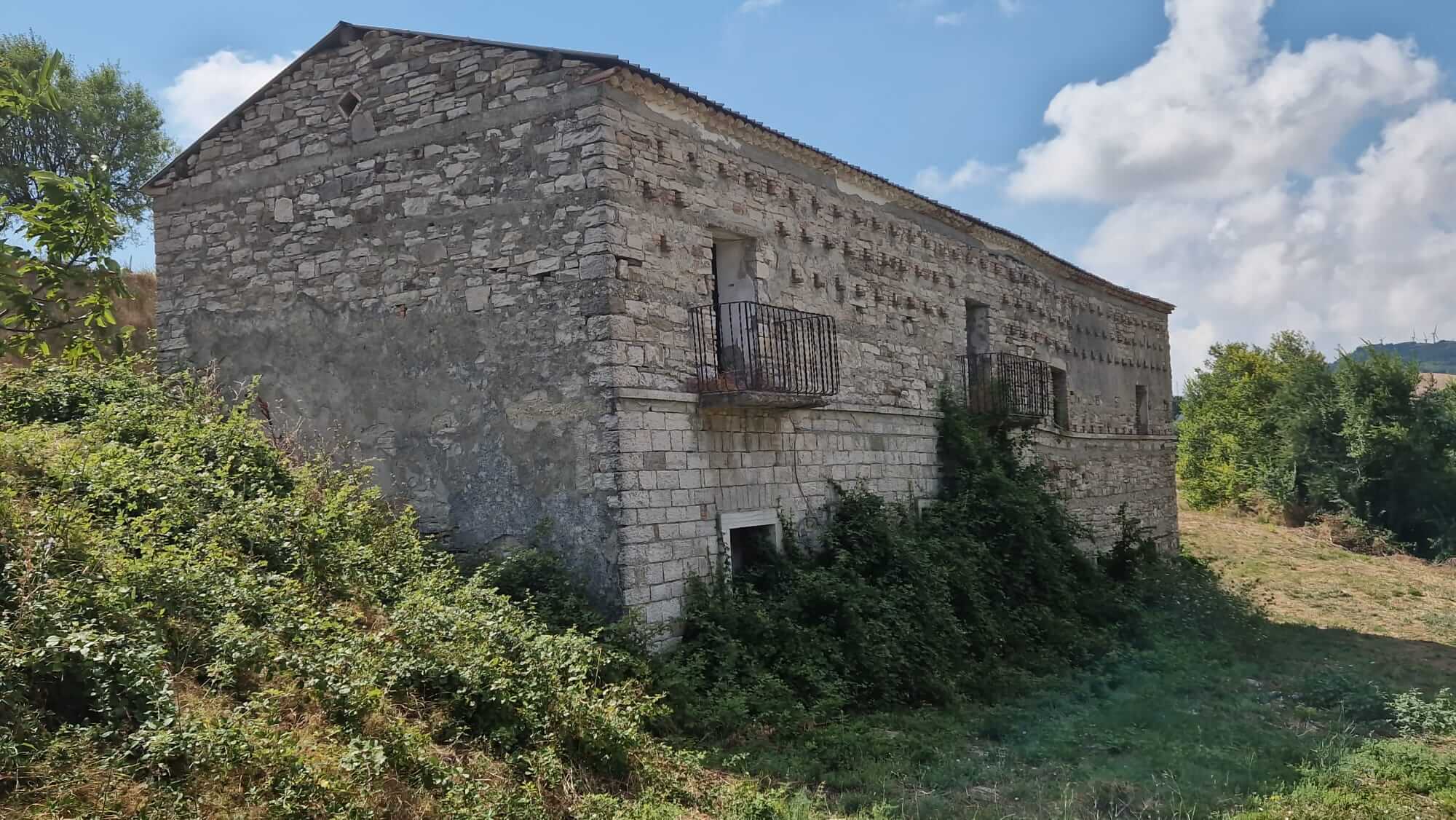
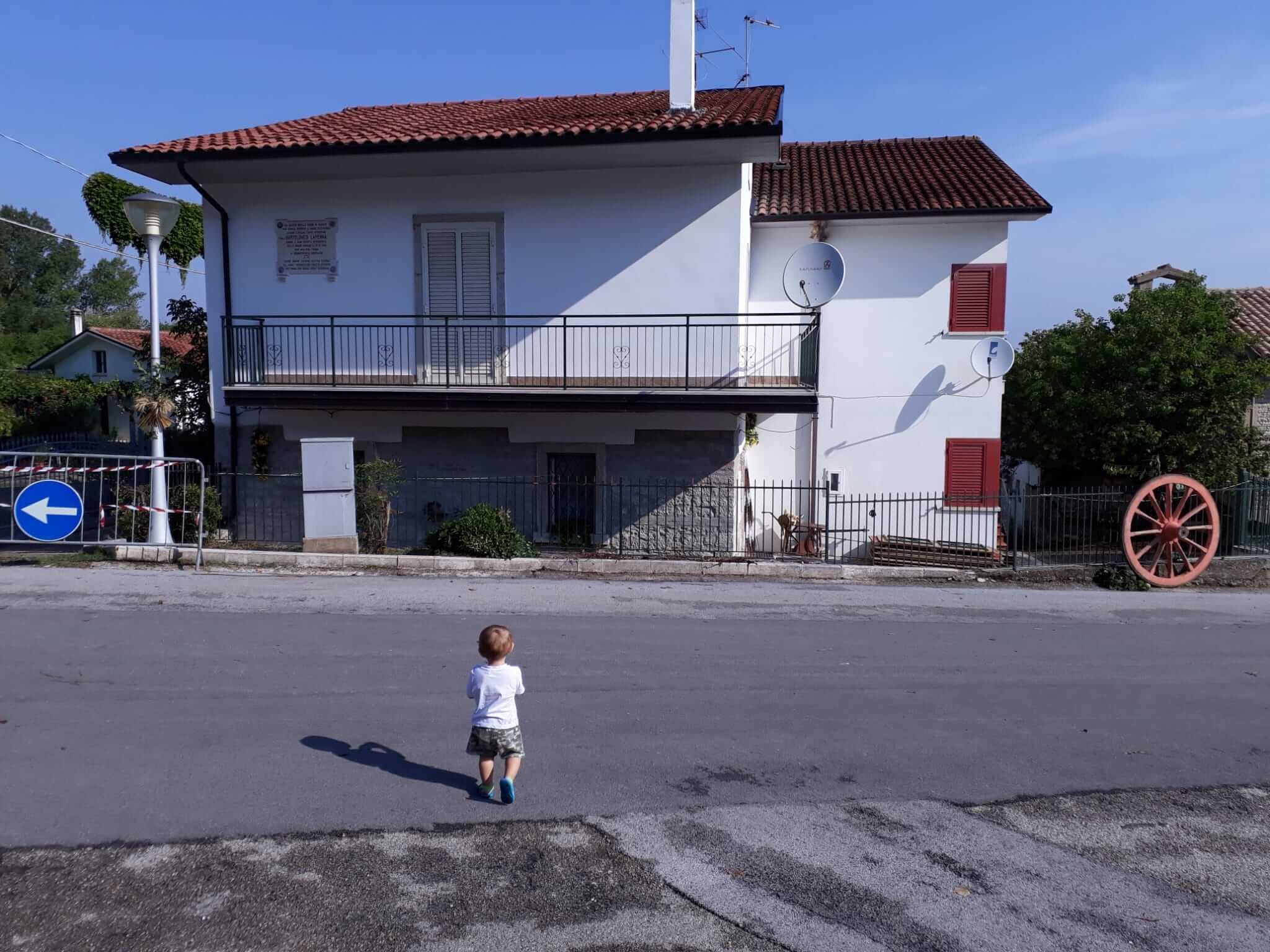
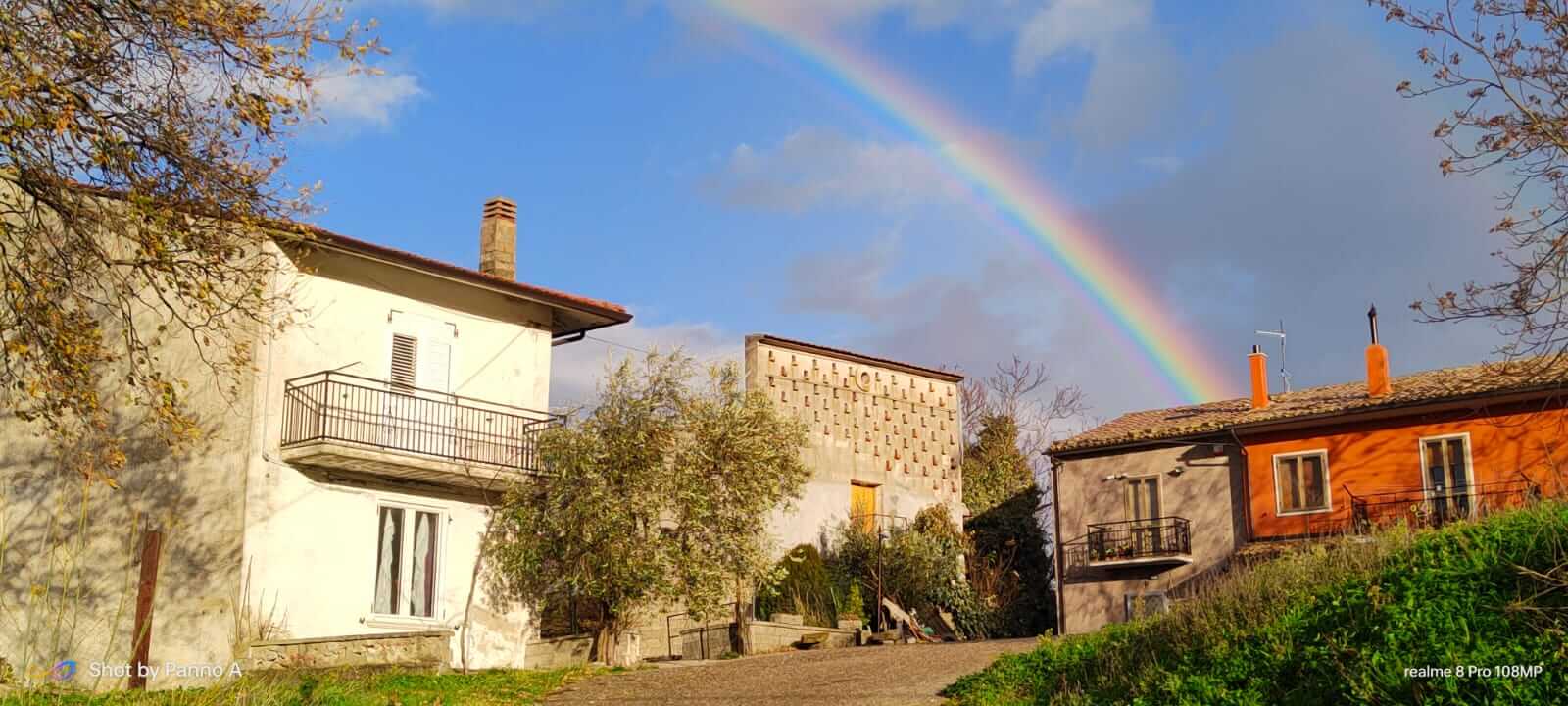
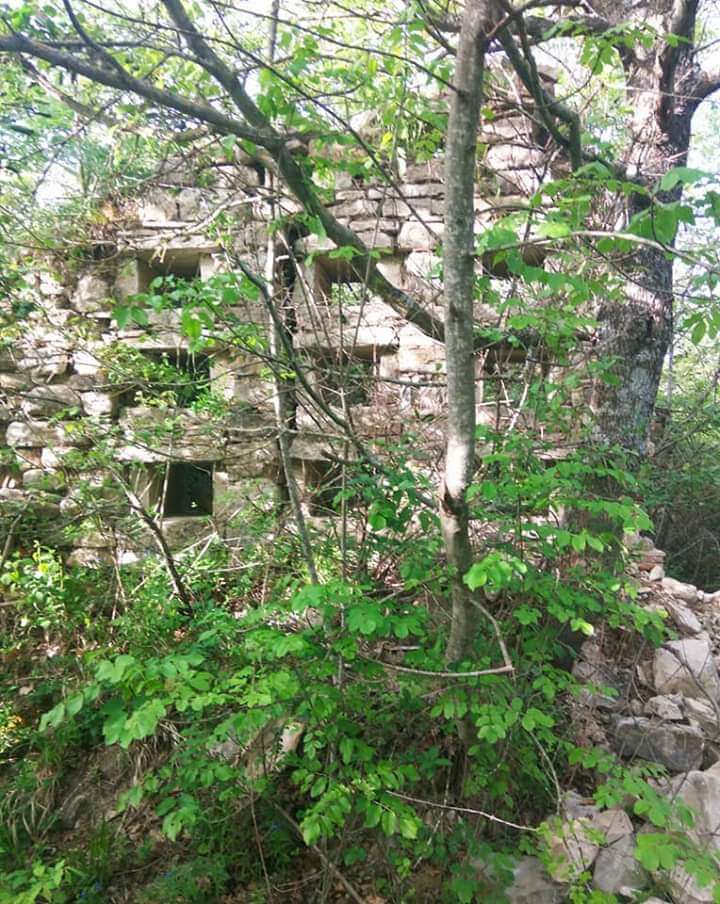
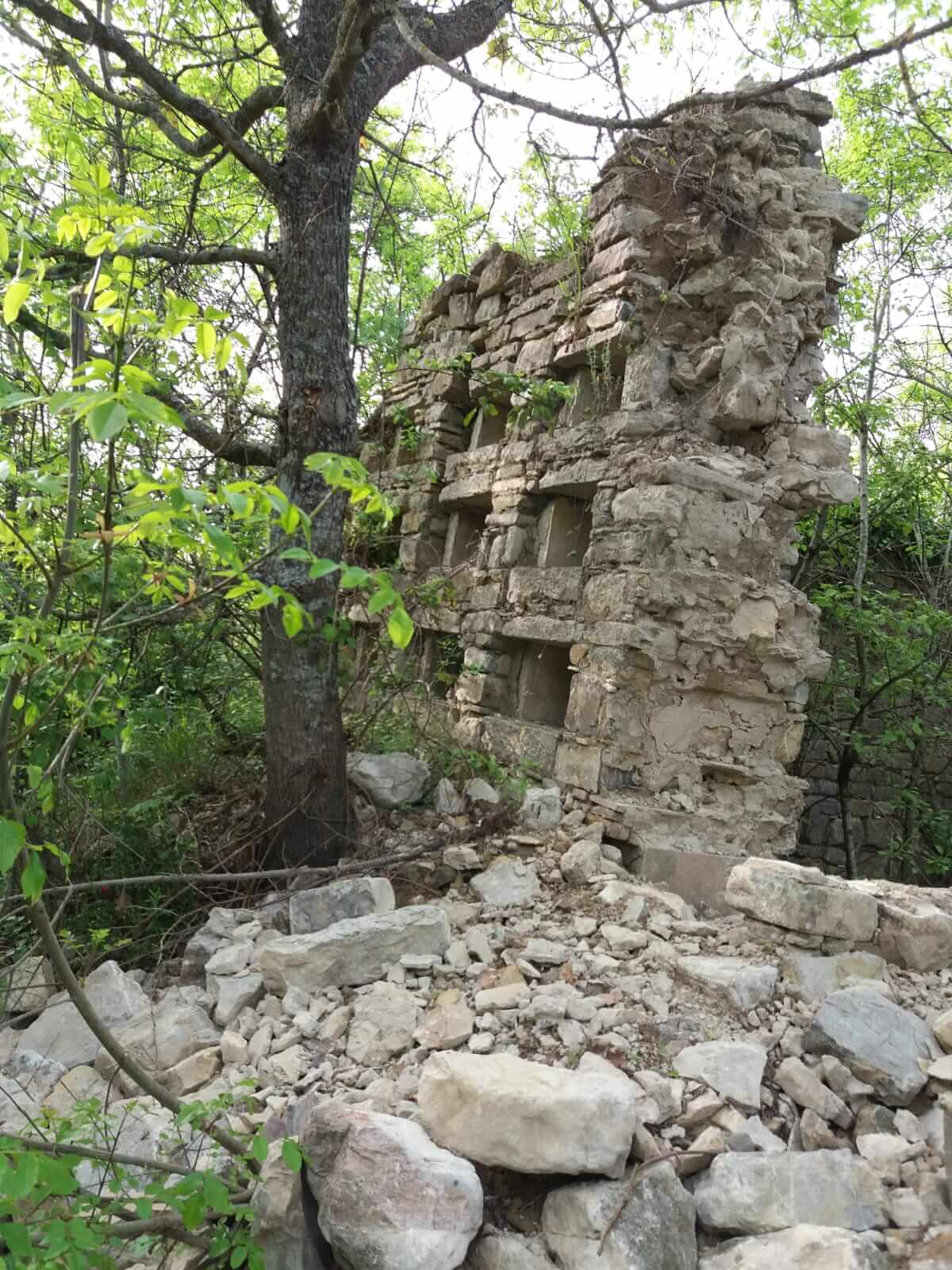
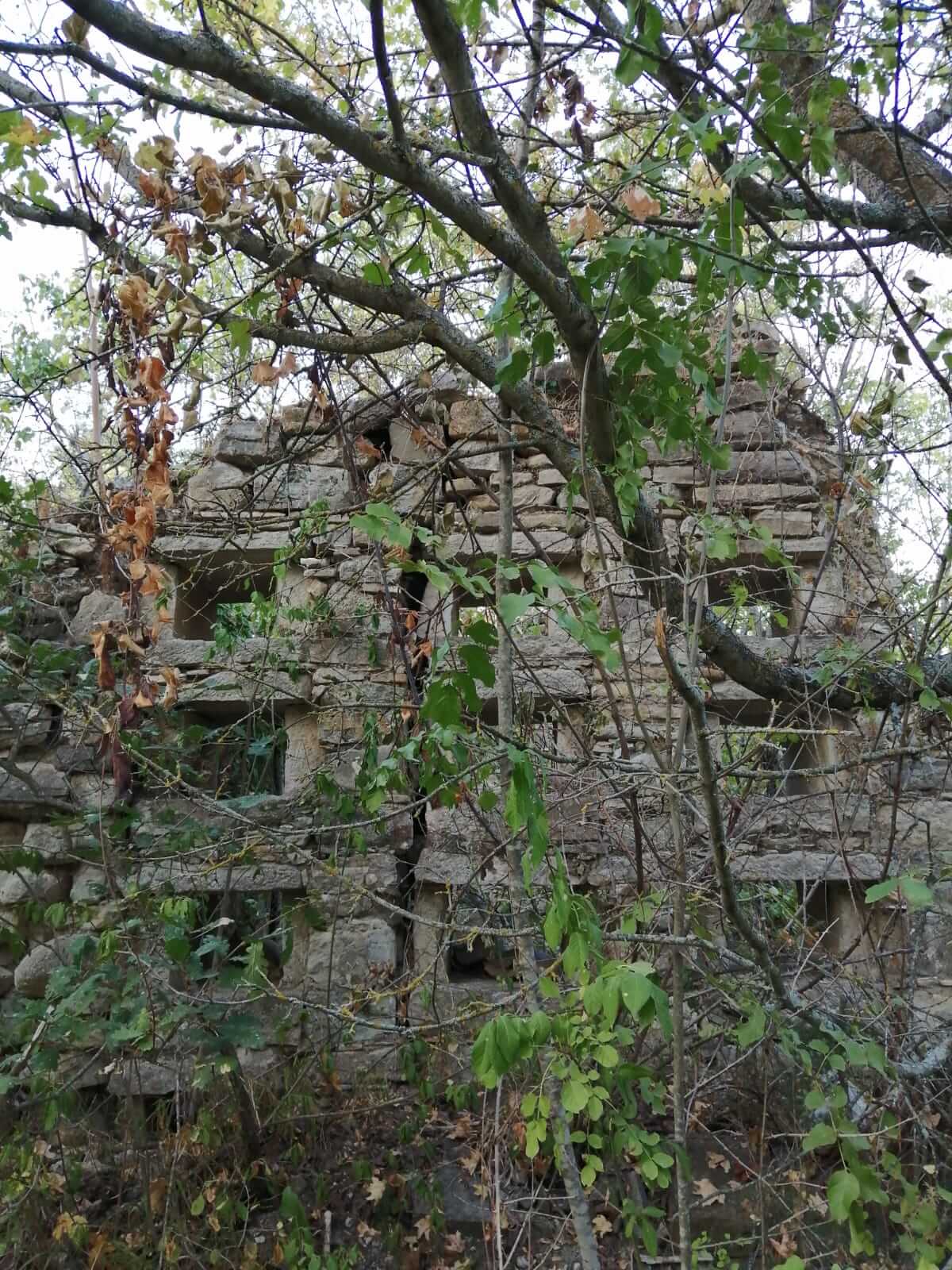
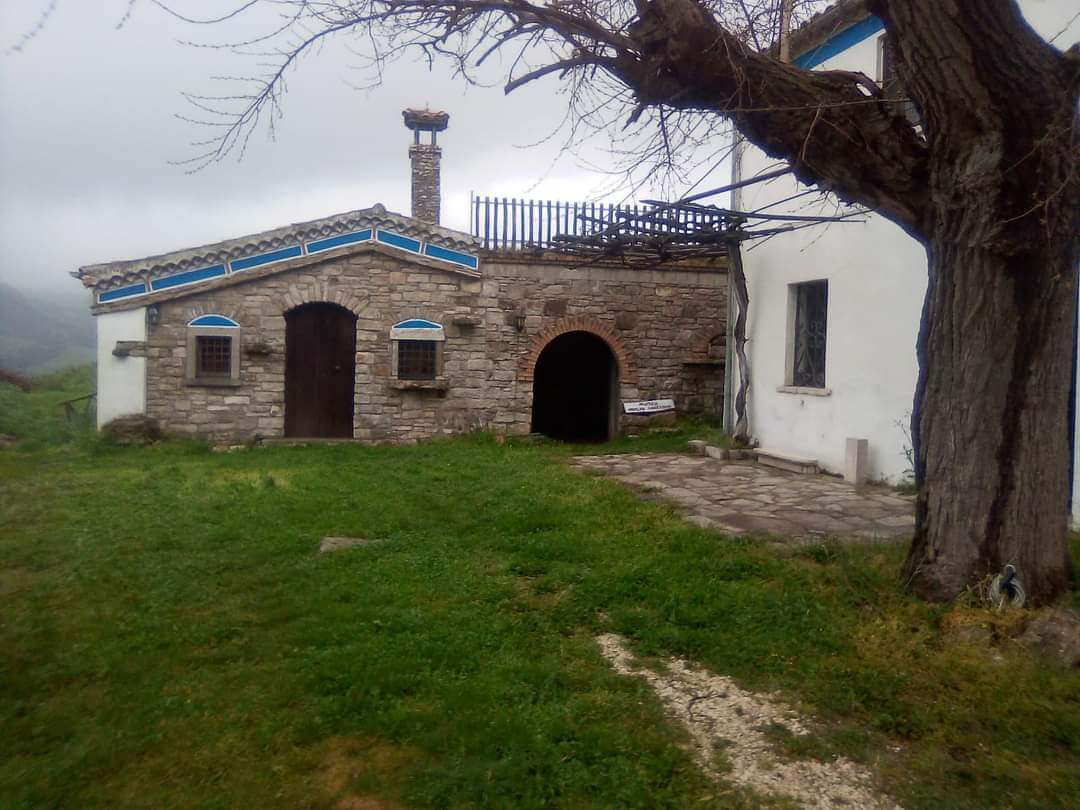
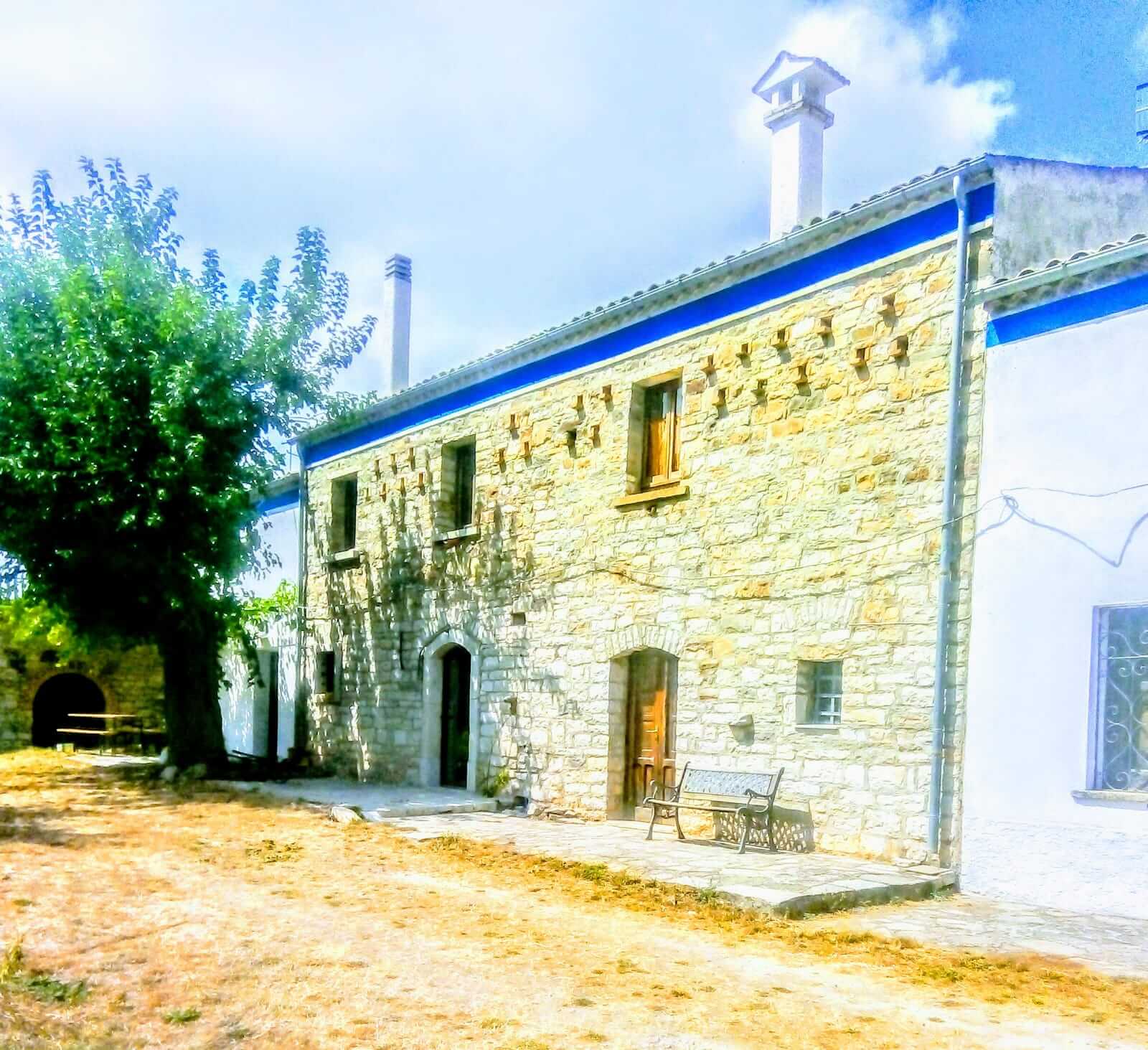
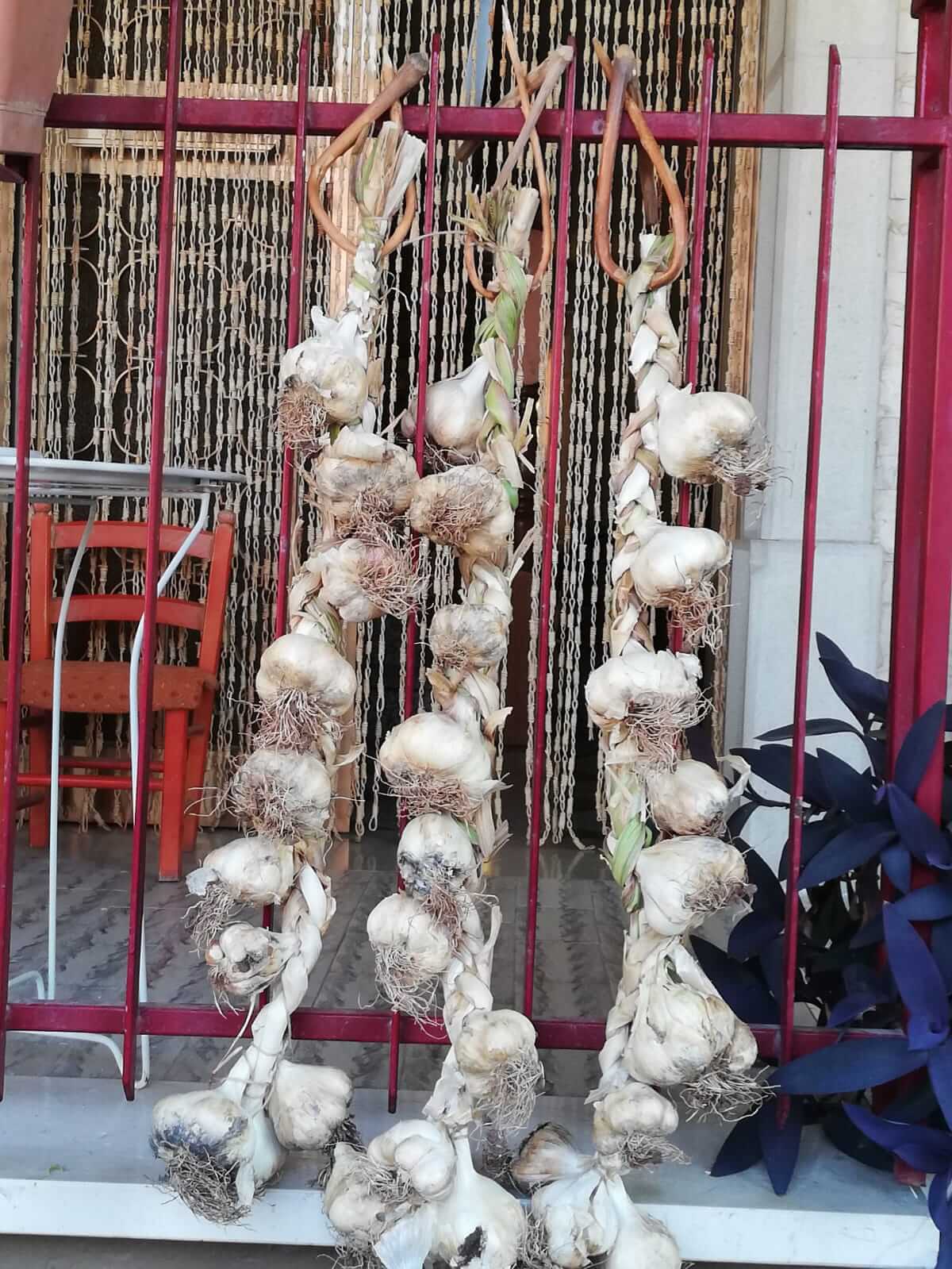
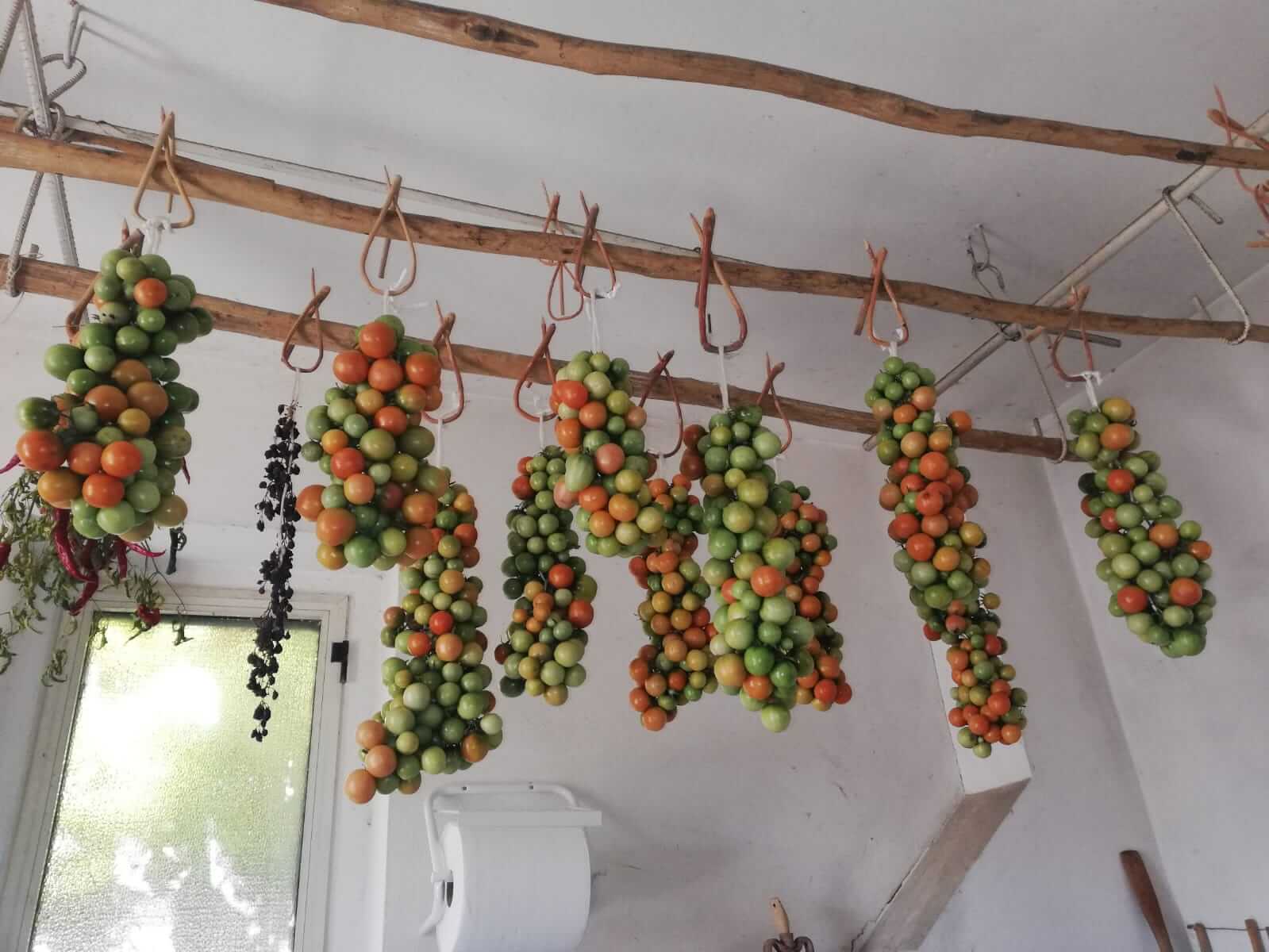
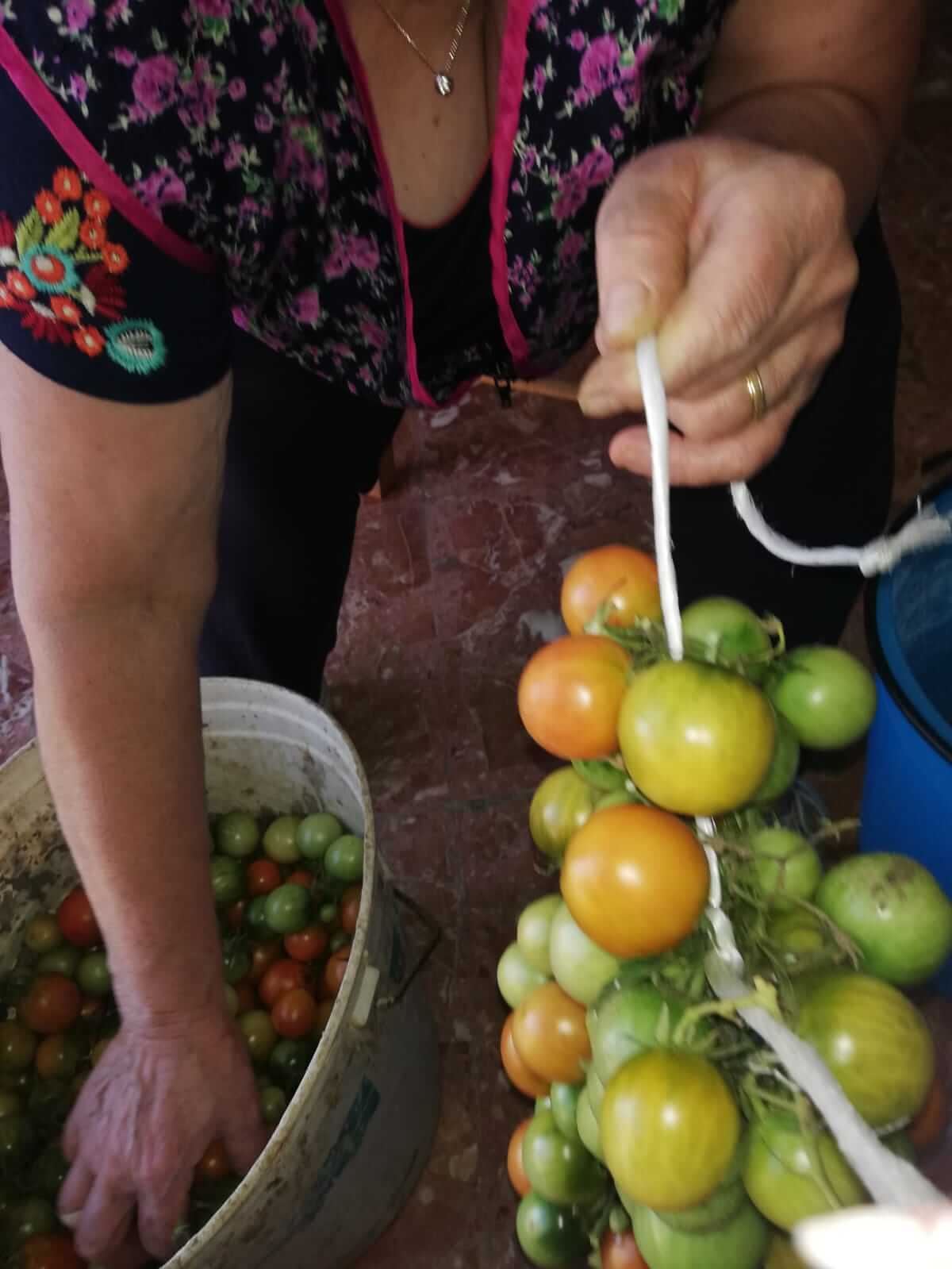
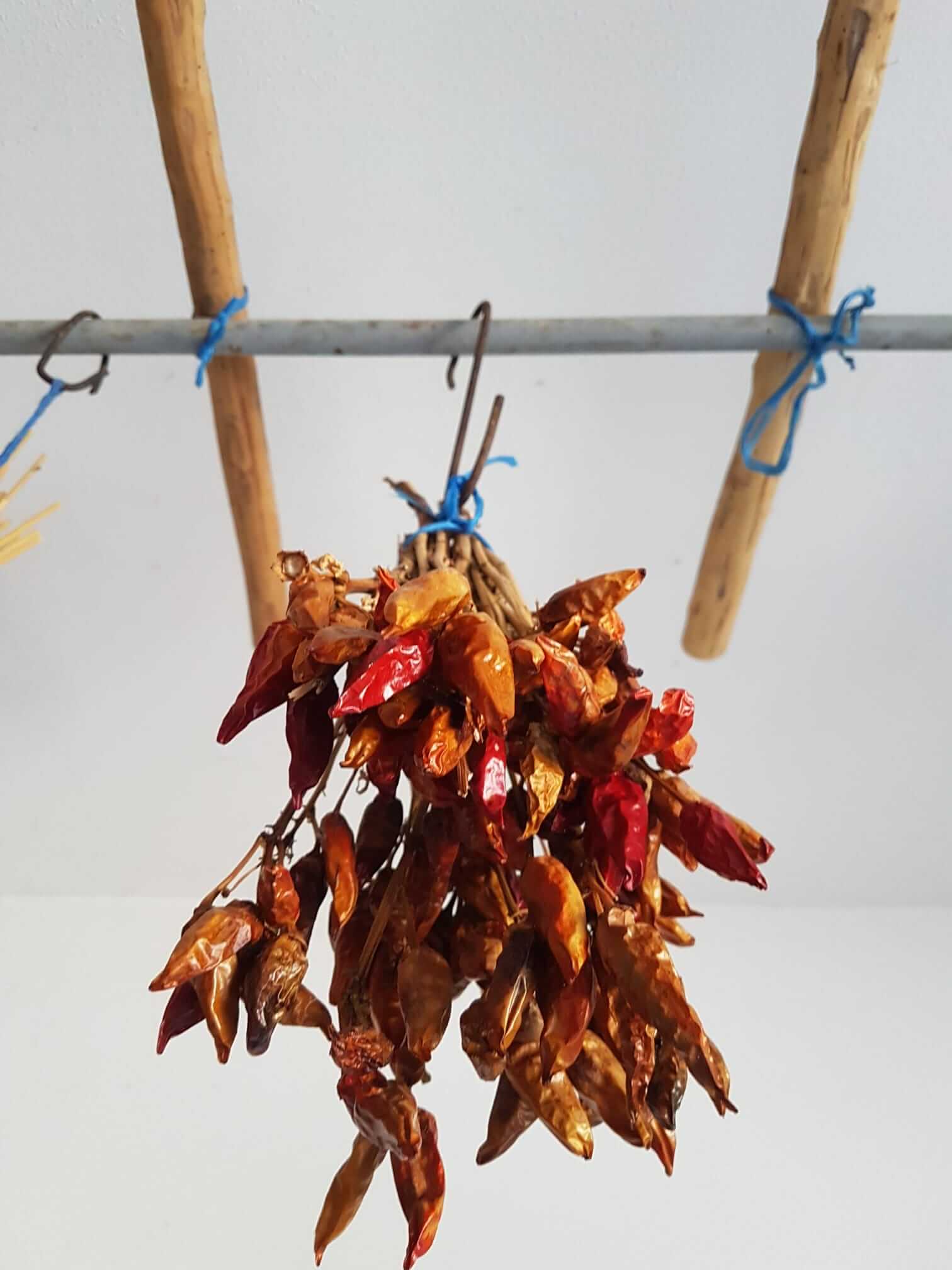
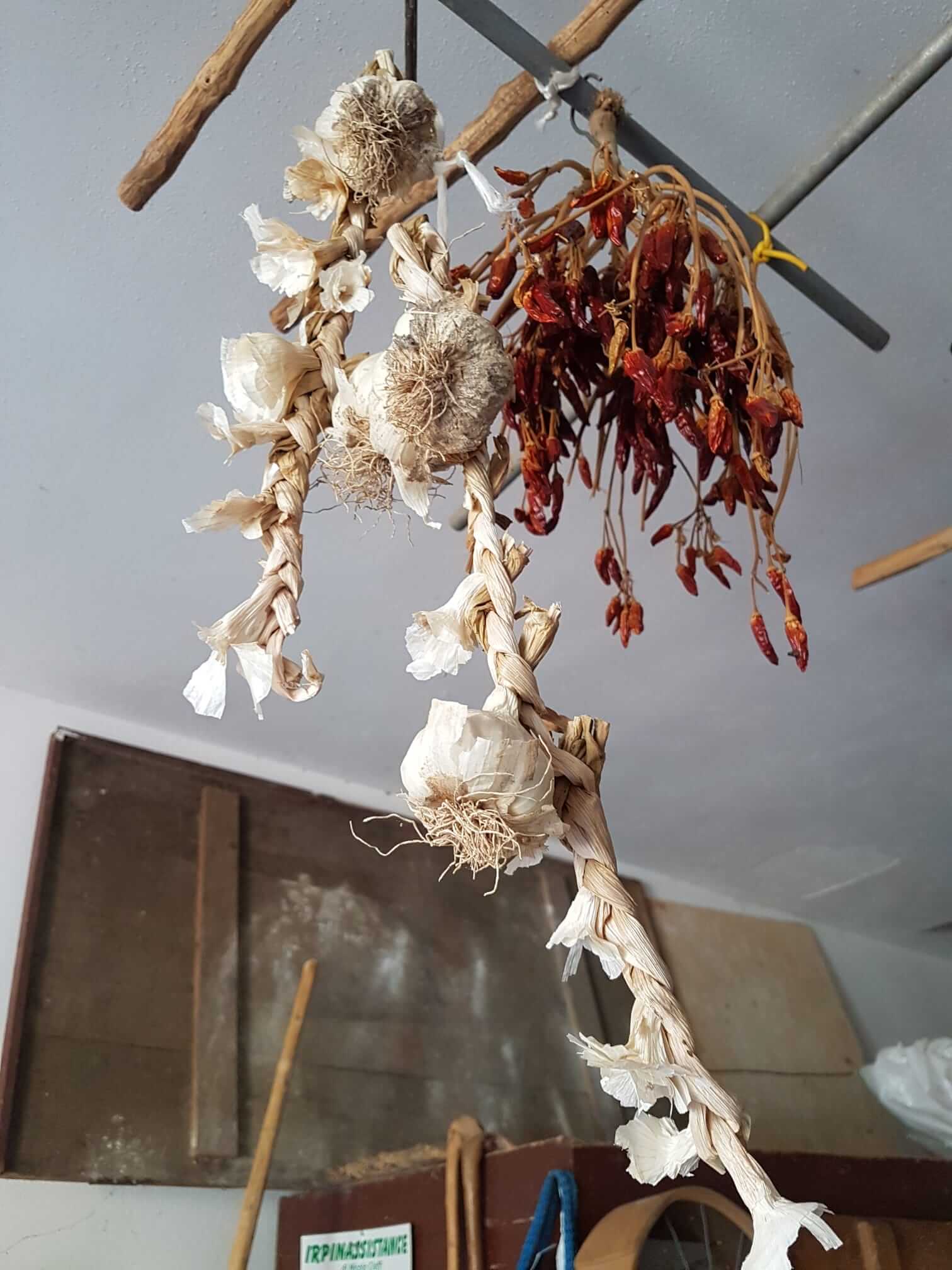
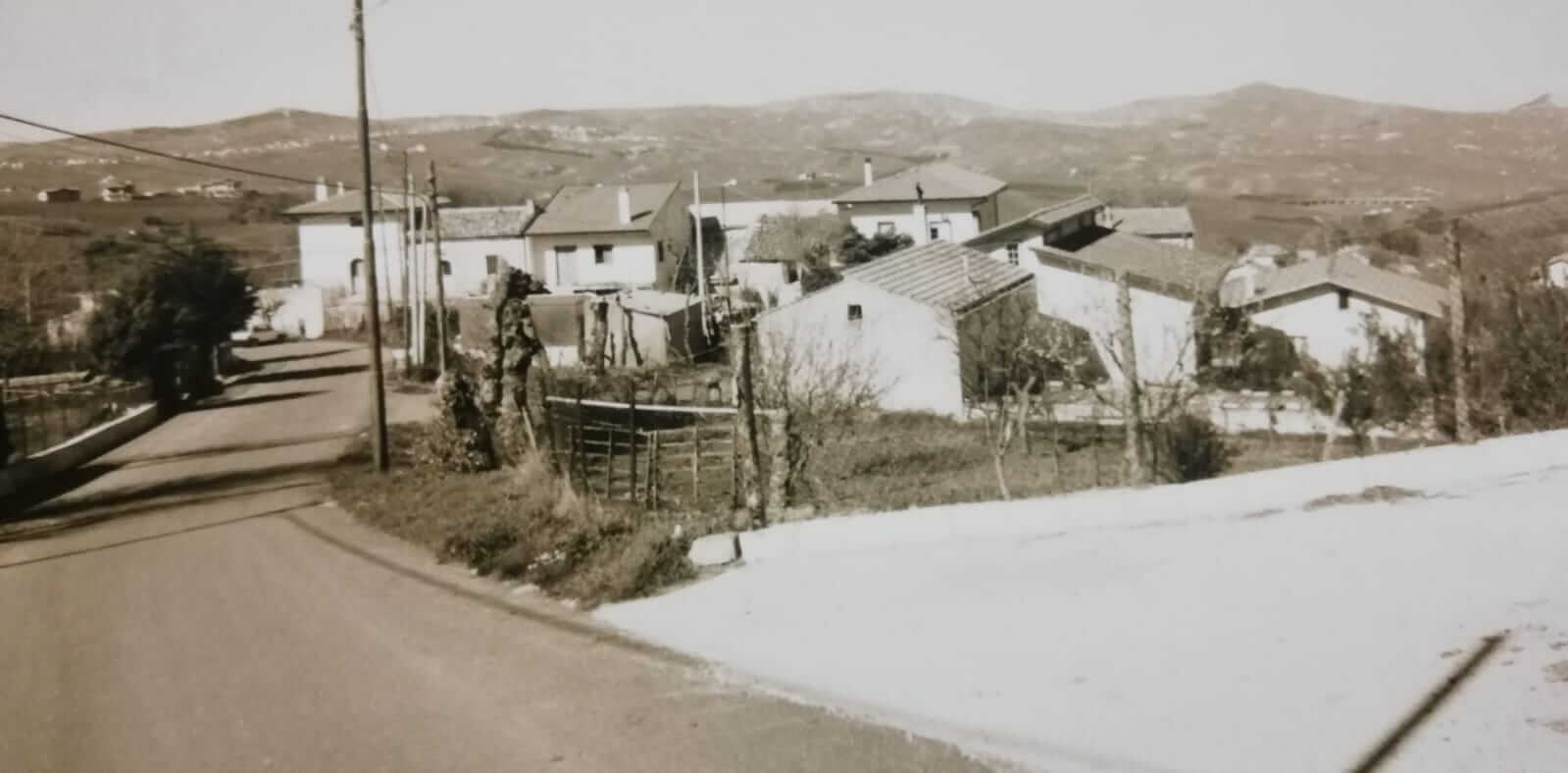
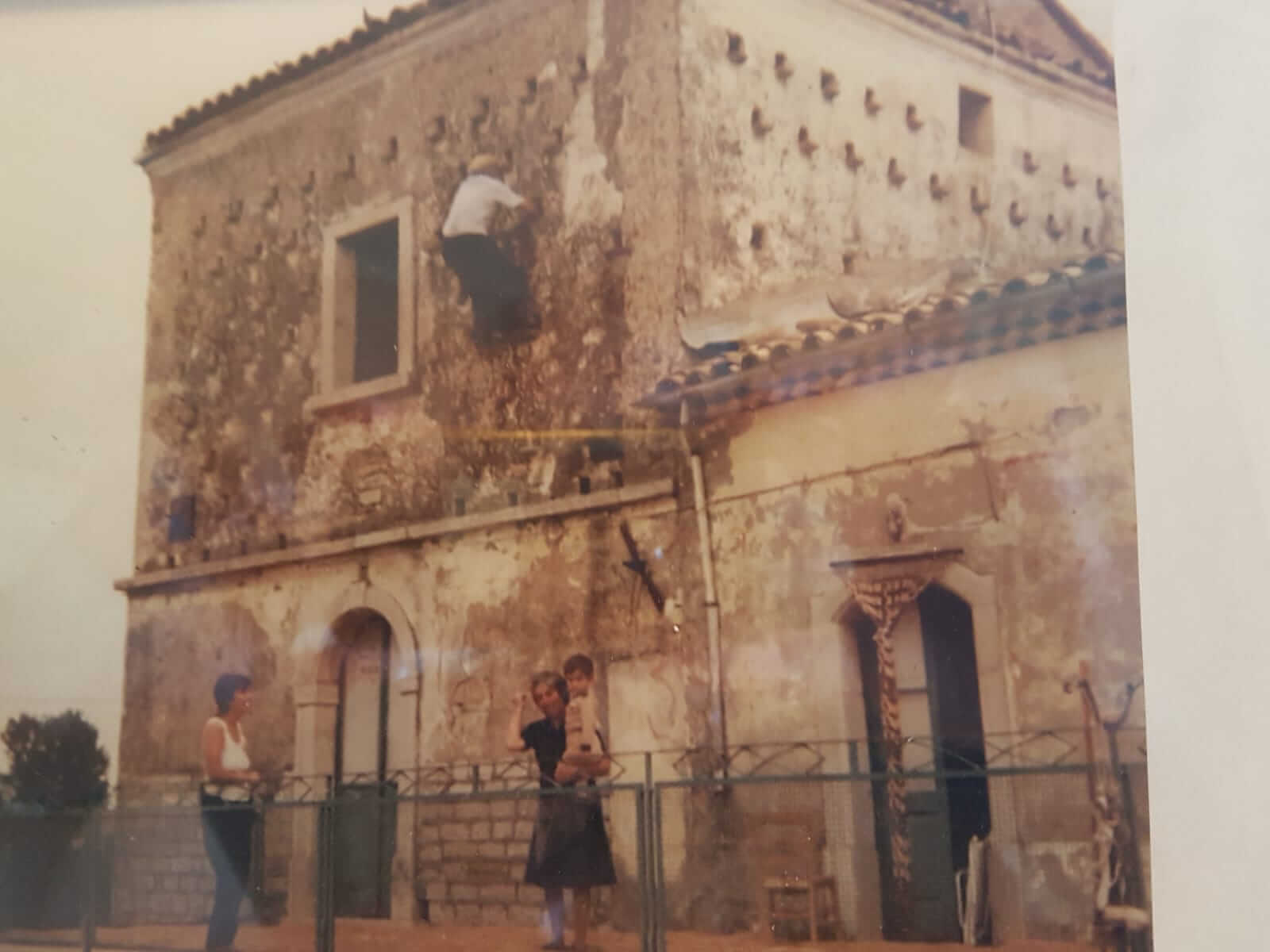
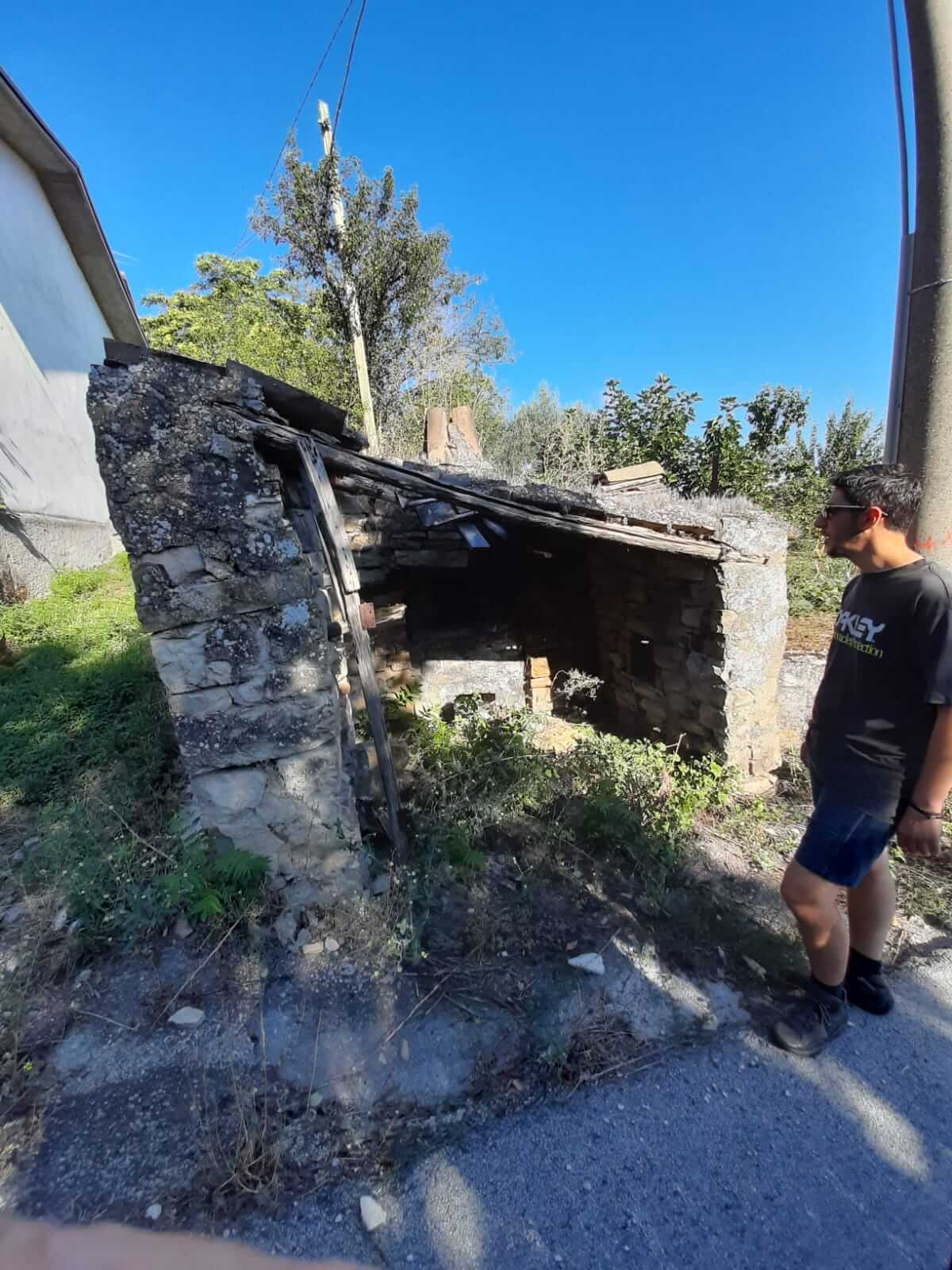
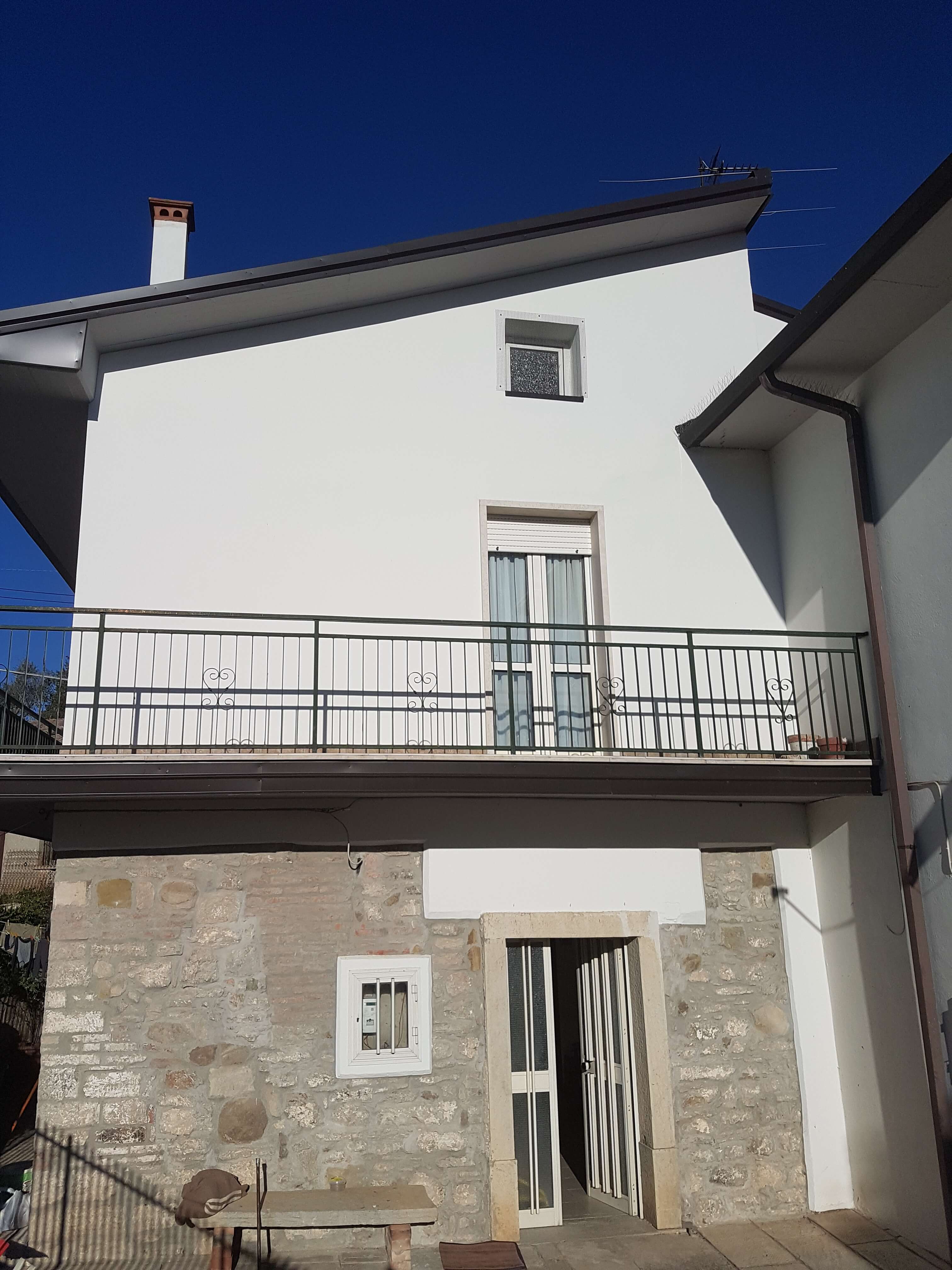
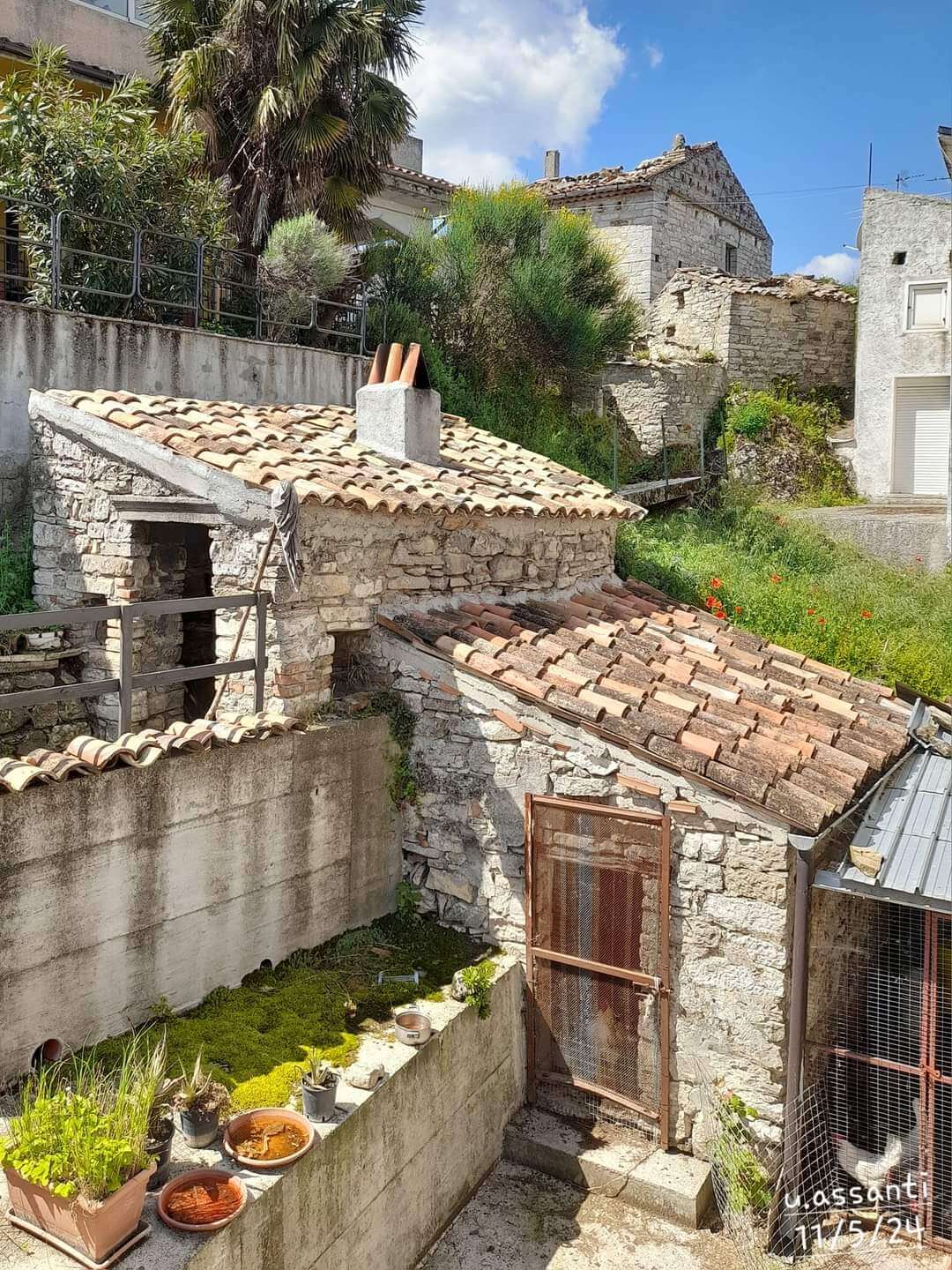
The rural architecture spread throughout the territory features structures that are no longer in use today but still spark the curiosity of visitors. Several houses provide the visual trace of stories by local authors. The farmhouses, rural dwellings, and small houses are accompanied by pigsties, ovens, chicken coops, and stables that help tell the way of life of the past, the methods used to obtain food for daily sustenance, and the seasonal supply cycles that led to the food being brought to the kitchens.
Rural houses of local authors. The birthplace of Antonio La Penna, a world-renowned Latinist, the Pietra Durante farmhouse of Bice Lapenna, a local author, and the house of Michele Lapenna, a writer of family memoirs, are visible along the village visit route or on the walking paths. They contain stories and anecdotes that can be explored through modern geolocatable apps, such as Loquis.
Dovecotes. Some farmhouses are distinguished by dovecotes placed along the highest walls of the houses. They functioned as the farmer's "butchery", where eggs or pigeon meat were regularly harvested from cavities left free for the pigeons to nest.
Community ovens. Along the visit route and walking paths, three community ovens have been identified—places for social gathering and the production of family bread.
Pigsties, chicken coops, and stables. Several farmhouses are accompanied by rural structures that testify to how humans and animals coexisted symbiotically in the rural environment, primarily dedicated to food production and sustenance.
Apiary. In Oscata di Sotto, the remains of an ancient apiary belonging to the Tenore family can be found, which was dedicated to honey production.