
Rural fountains
Tangible heritage

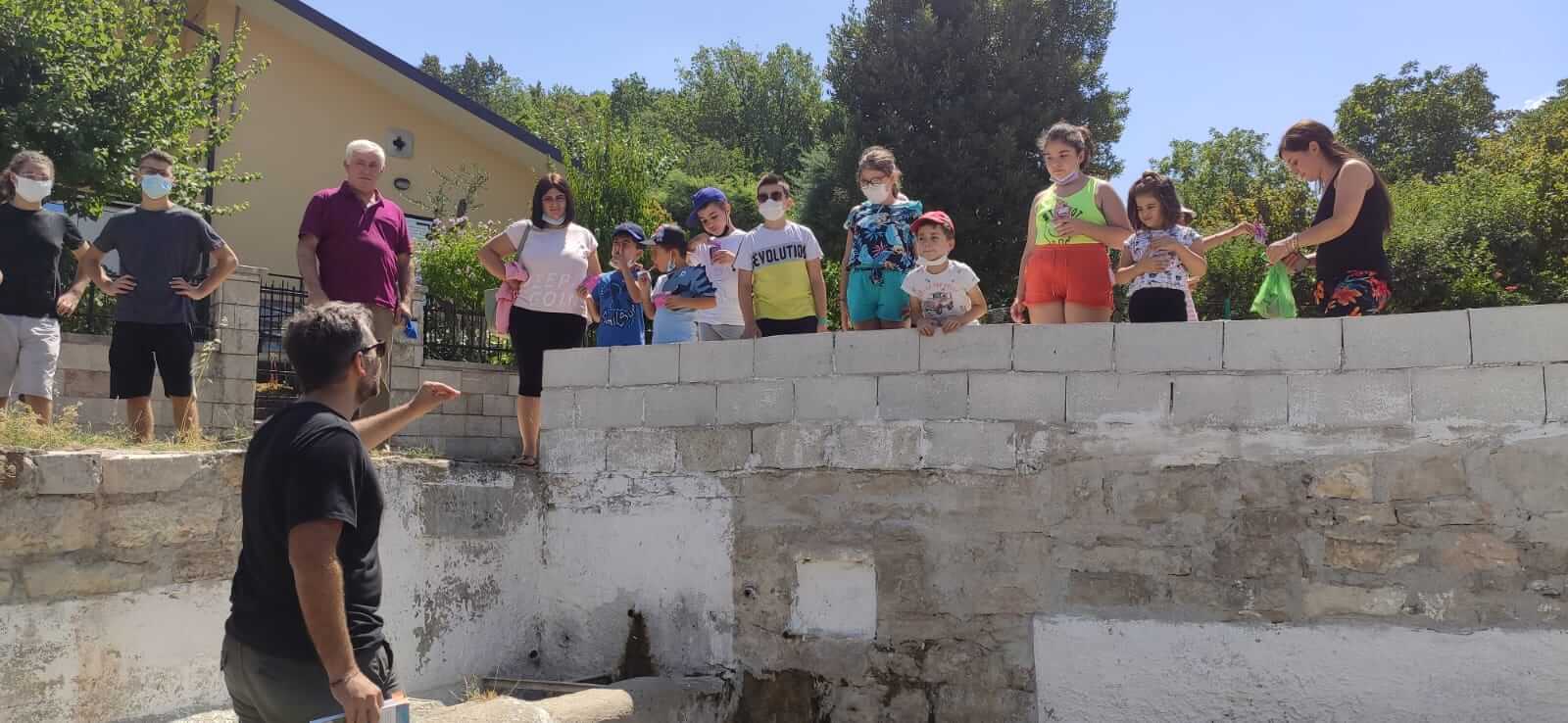
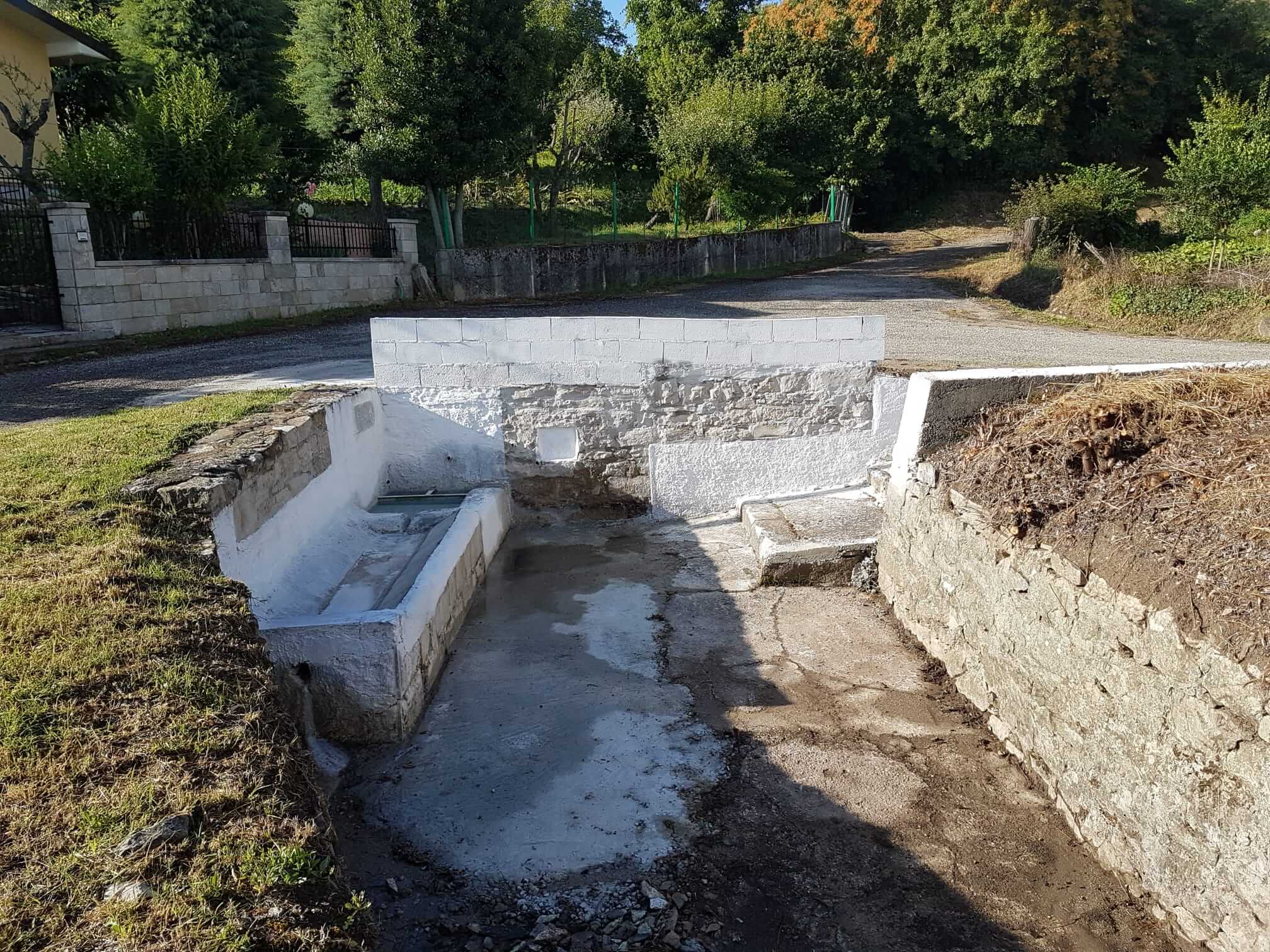
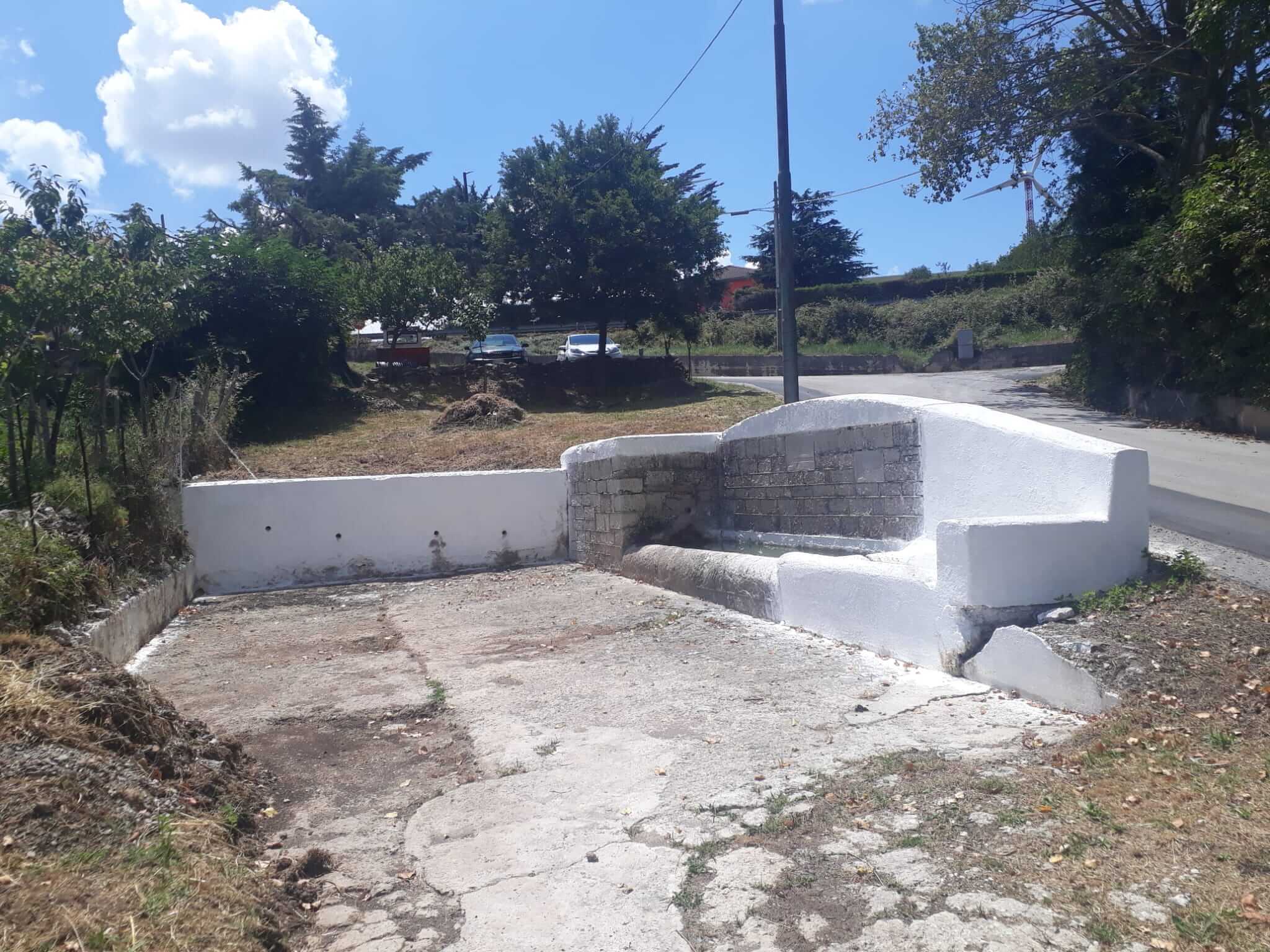
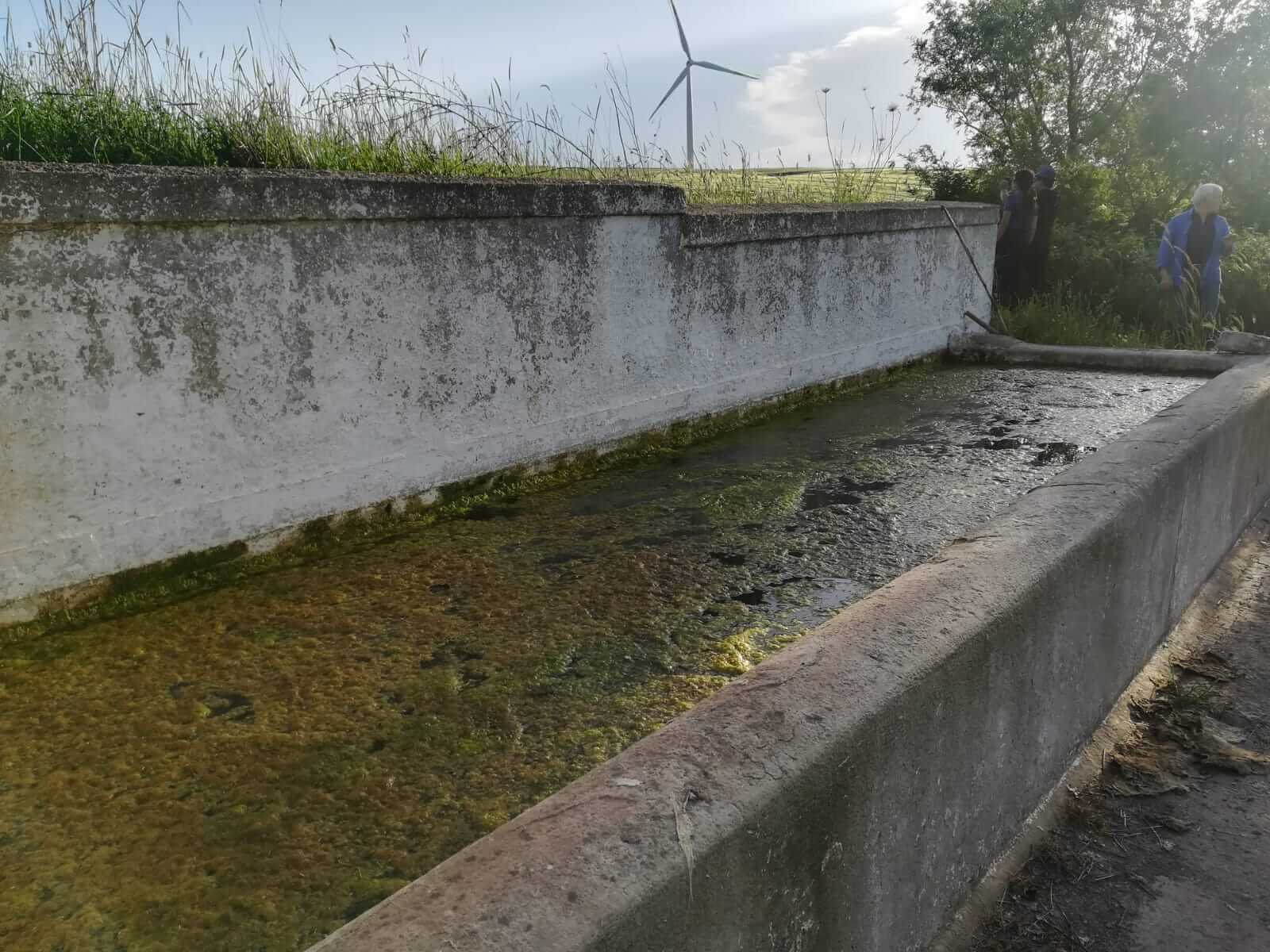
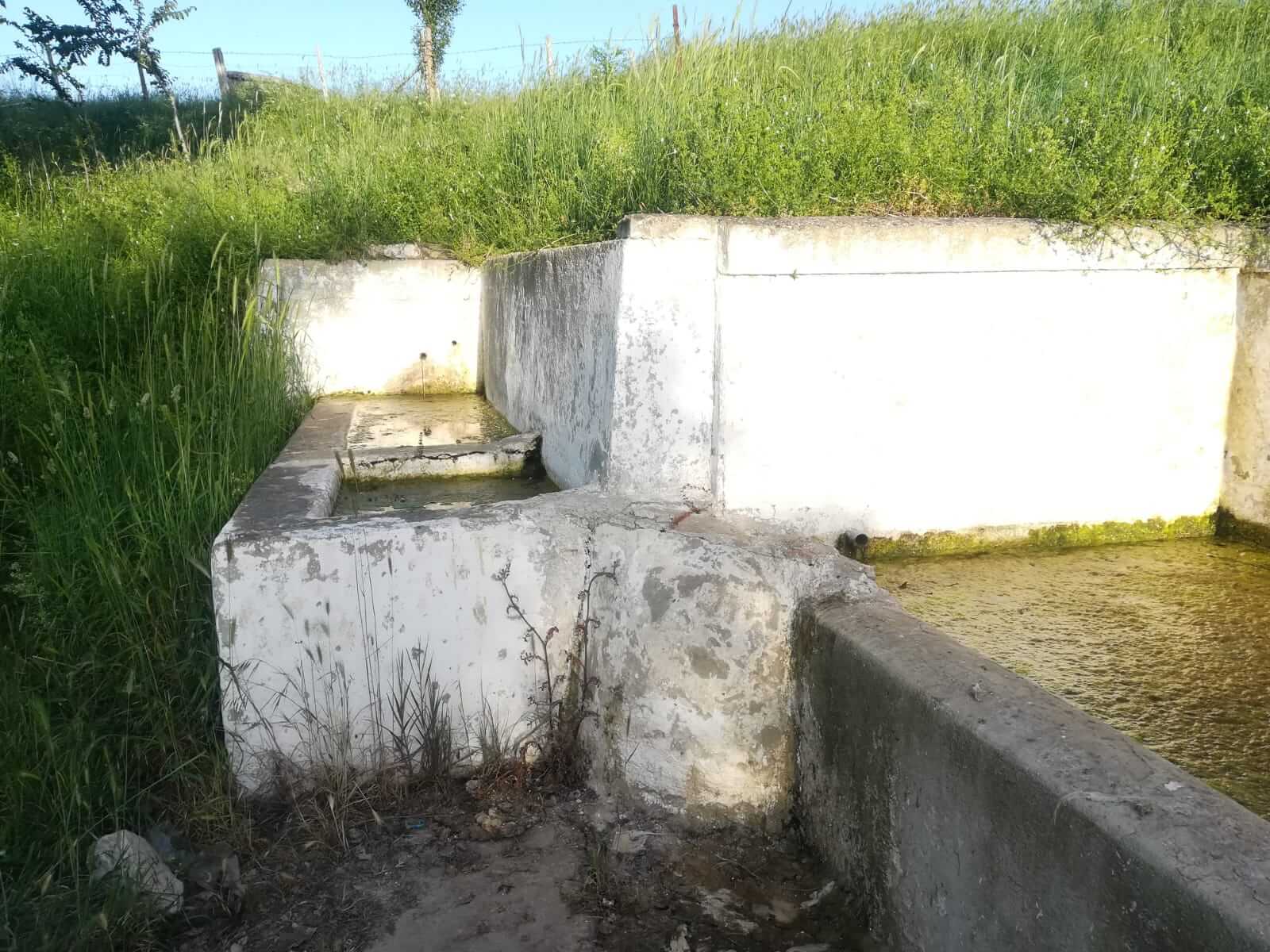
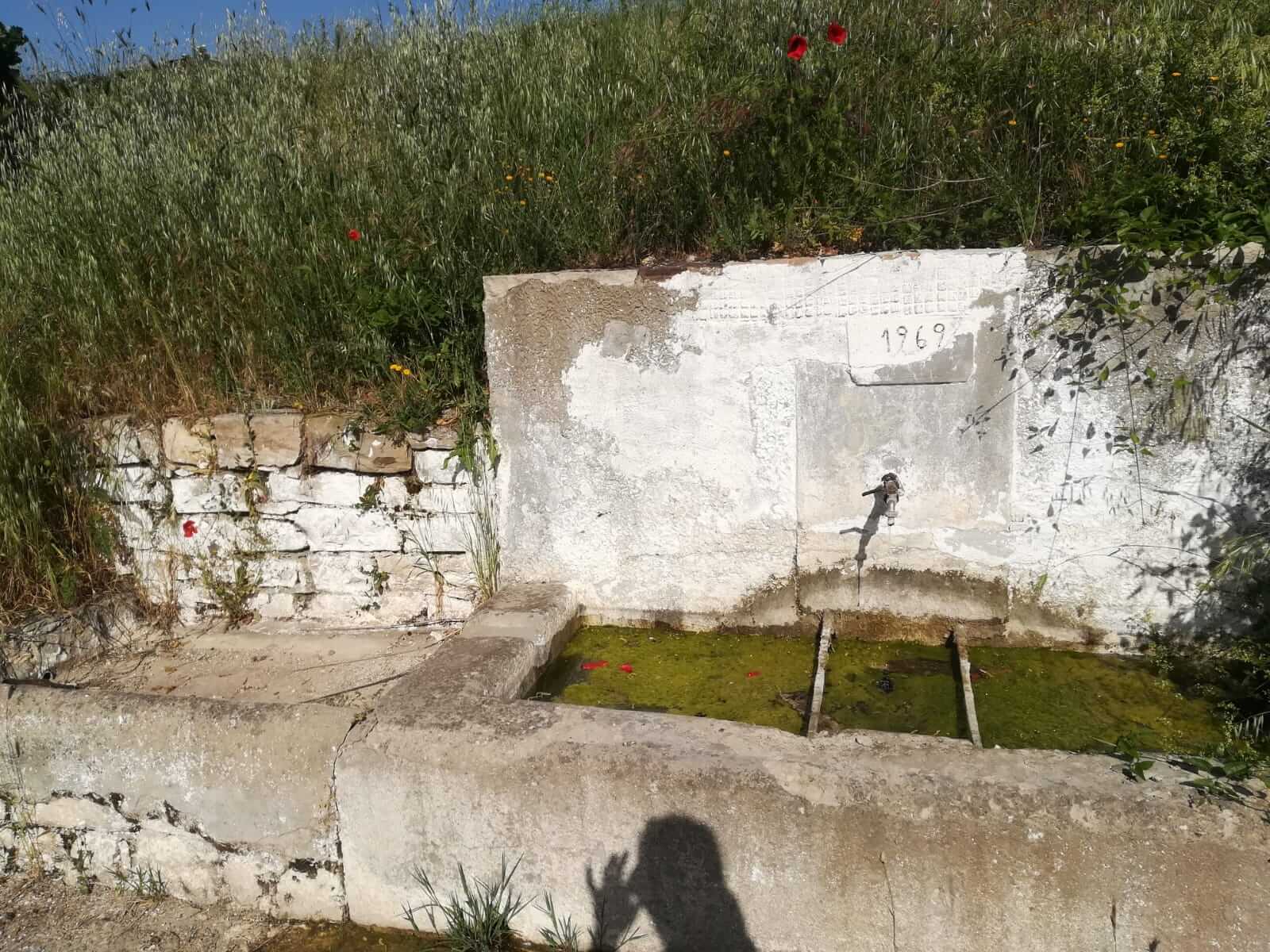
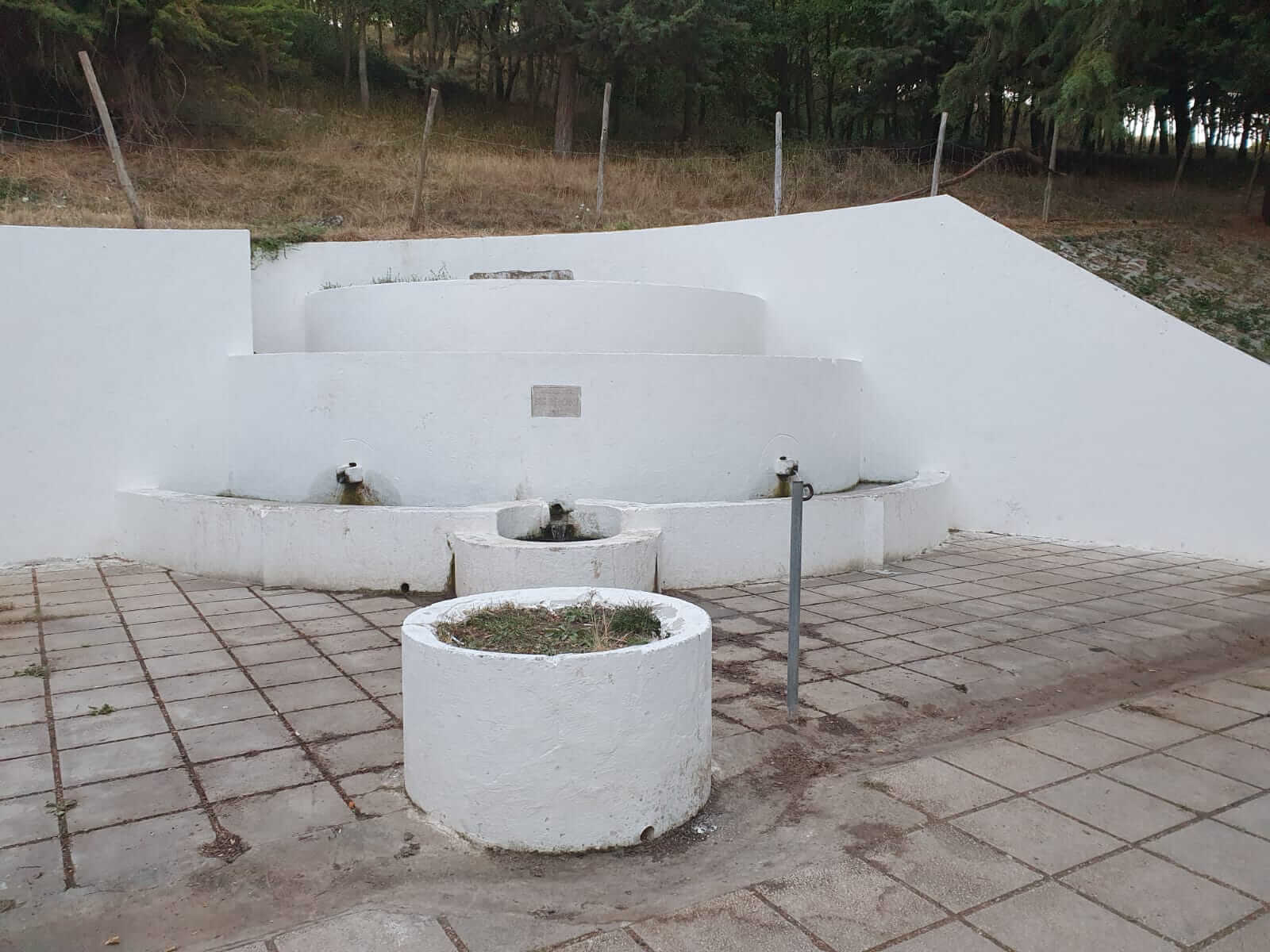
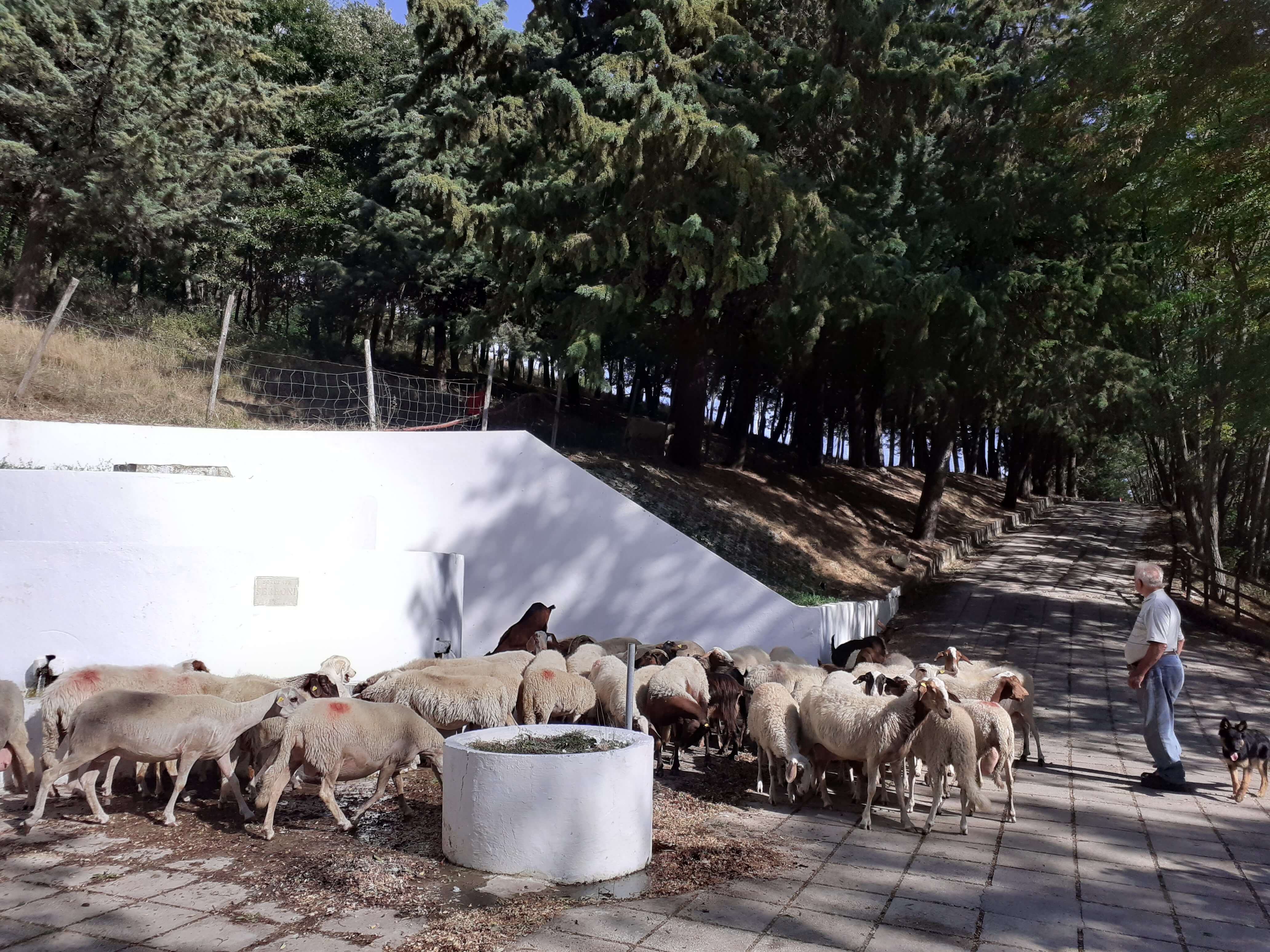
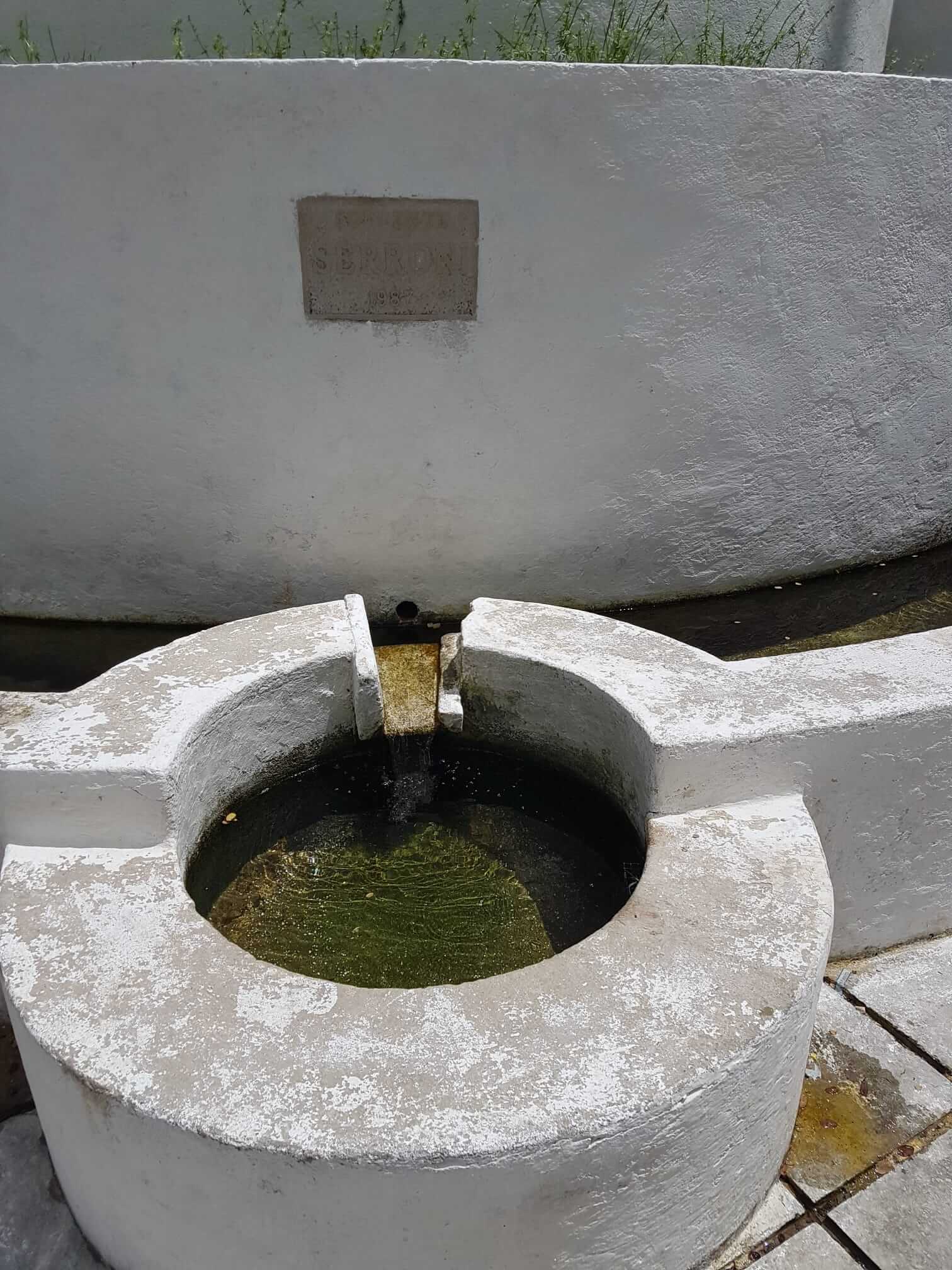
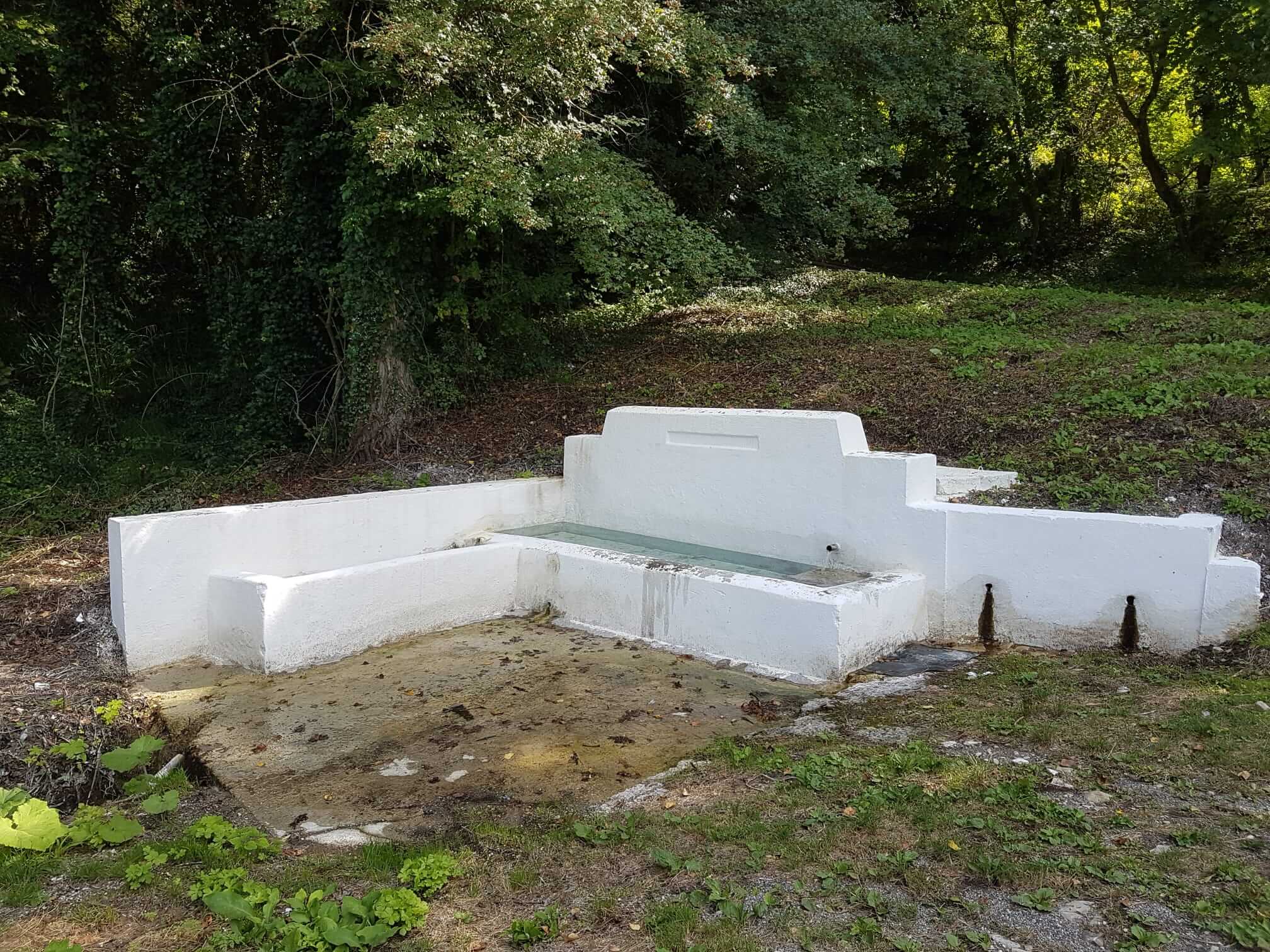
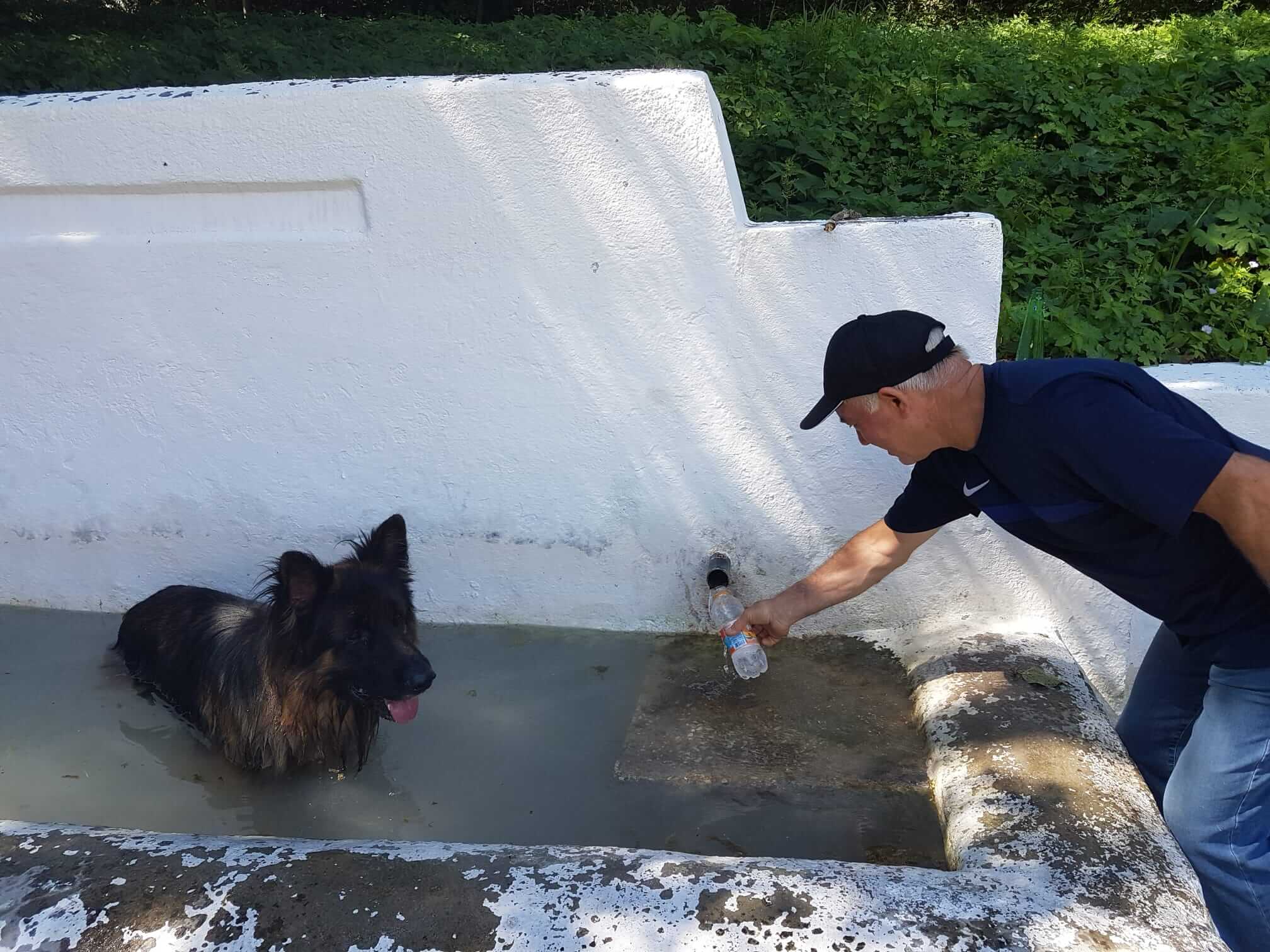
The territory of Oscata is rich in spring water sources, primarily used for watering troughs or washhouses, as well as in artesian wells useful for the vegetable gardens that are abundant in the area. In the Bisaccia area, there are over 114 fountains, and along the Oscata trails mapped by Oscata inVita, 15 ancient rural fountains remain, where basic daily activities once took place. Oscata inVita highlights the fountains' great social and community value within rural life. Accompanied by local volunteers or independently, using the geolocated audioguides in the Loquis app, visitors can learn the stories and anecdotes linked to their use for essential daily tasks, such as providing drinking water for people and animals, and washing clothes and linens.
"Doing the laundry was like a breath of fresh air among old, worn-out things. But choosing the day, the hour, the most suitable moment was not simple. One had to judge, from the clothes left out in the sun over the previous days, how many families had decided to do their laundry (the "culata") that day. If there were too many, it was better not to start. The water from the only fountain would not have been enough for all the rinsing.
Unless you wanted to go further away. In that case, you had to carry the heavy basket ("sparichiocca") on your head and go to the Stobella valley. There, water was abundant and there were plenty of patches of rushes, wild willows, and reeds to spread all the clothes under the sun. Those with a beast of burden (donkey, mule, or mare) would carry everything and arrive fresh at the destination. Unfortunately, during winter, it was not possible to wash there. The water, usually full, became muddy, unsuitable for washing clothes. In spring and summer, all the women of Oscata and surrounding areas went there. They had to choose the upstream site carefully to avoid washing delicate laundry in water already dirtied by other women."
— Story excerpt from "Infanzia del Borgo" by Michele Panno.
Along the rural village, you can find the watering trough "la pila re lu canceddr" in Oscata di Sopra, the washhouse "re varsantangel" in Oscata di Mezzo, the fountain "re quire re Ciani" and "lu piscle re Tenore" in Oscata di Sotto.
Along the Oscata trails mapped by Oscata inVita volunteers, visitors can access the spring "i Serroni", located in a characteristic picnic area, and the fountain "re li pezzient'", so called because historically the poorest people (pezzenti) would wait there for shepherds passing through during transhumance to ask for a piece of bread and a slice of cheese, which were never missing for the wandering men stopping with thirsty livestock on the way to or from Puglia.
The fountains provided the Rural Kitchens with essential resources for drinking, hygiene, cooking, and cleaning food.